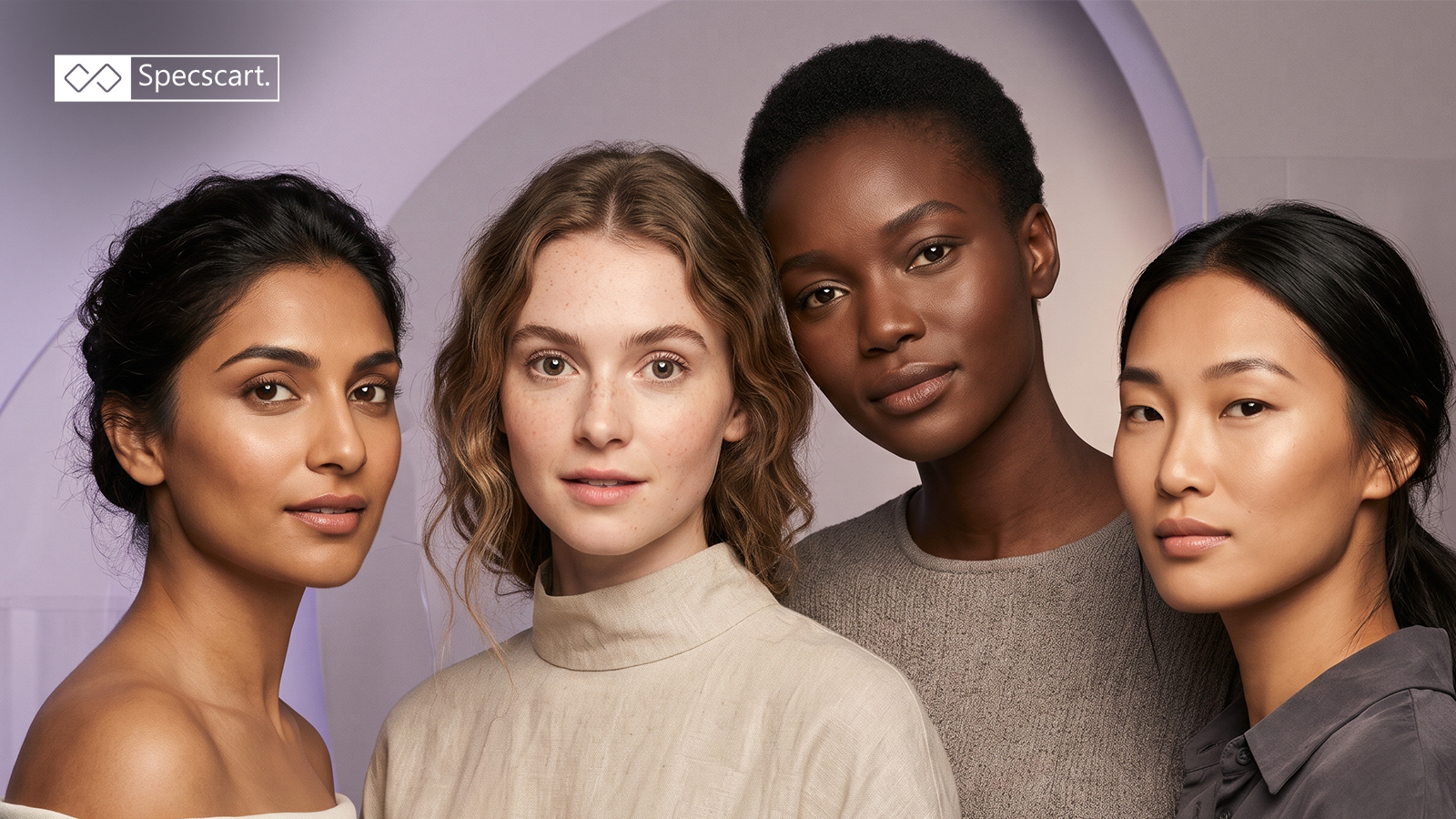

You might have noticed a pair of glasses in a model image. It looks amazing on the model, but somehow it feels completely different on you. It can be the different outfit or makeup, but even when you match that too, something seems off. Sometimes, your eye shape can also affect how a particular look appears on you.
Eye shape is influenced by details such as the eyelid crease, visible lid space, the direction of the eye corners, and how your eyes appear when they are open. These small details can change the way different styles look on you.
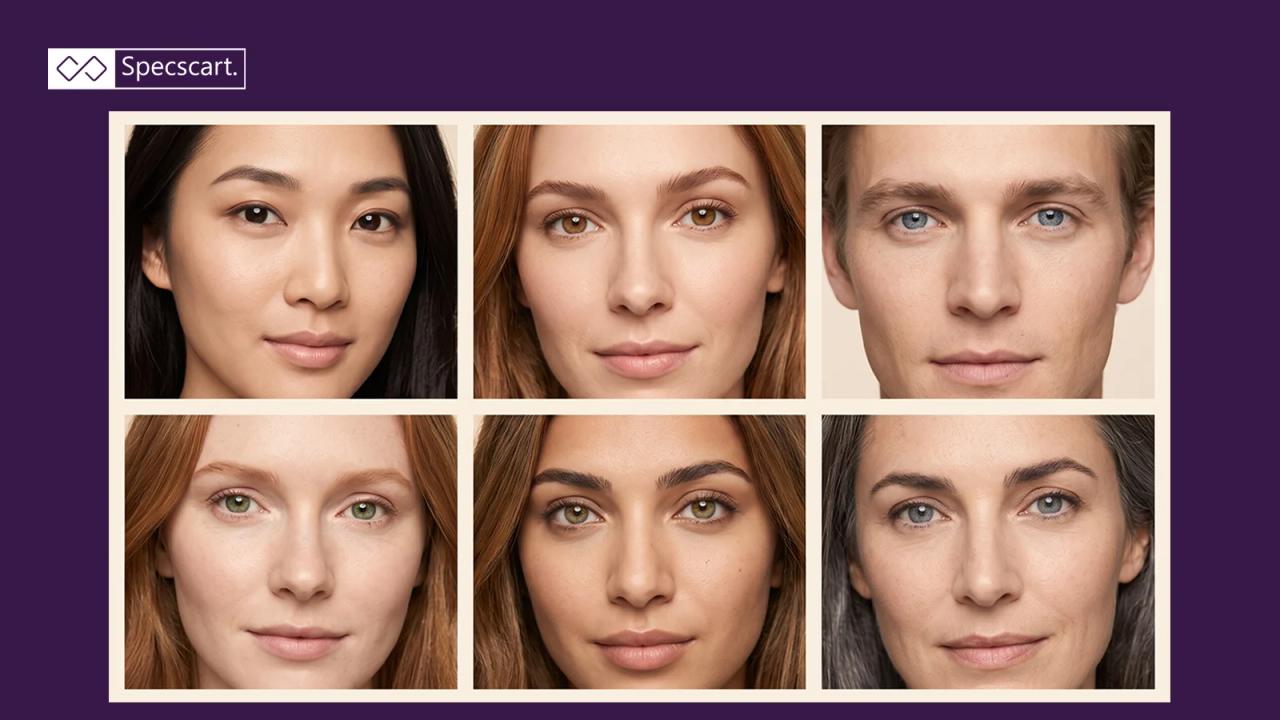
There are several commonly described eye shapes and spacing patterns. In this guide, we’ll look at seven commonly discussed categories.
How to Identify Your Eye Shape?
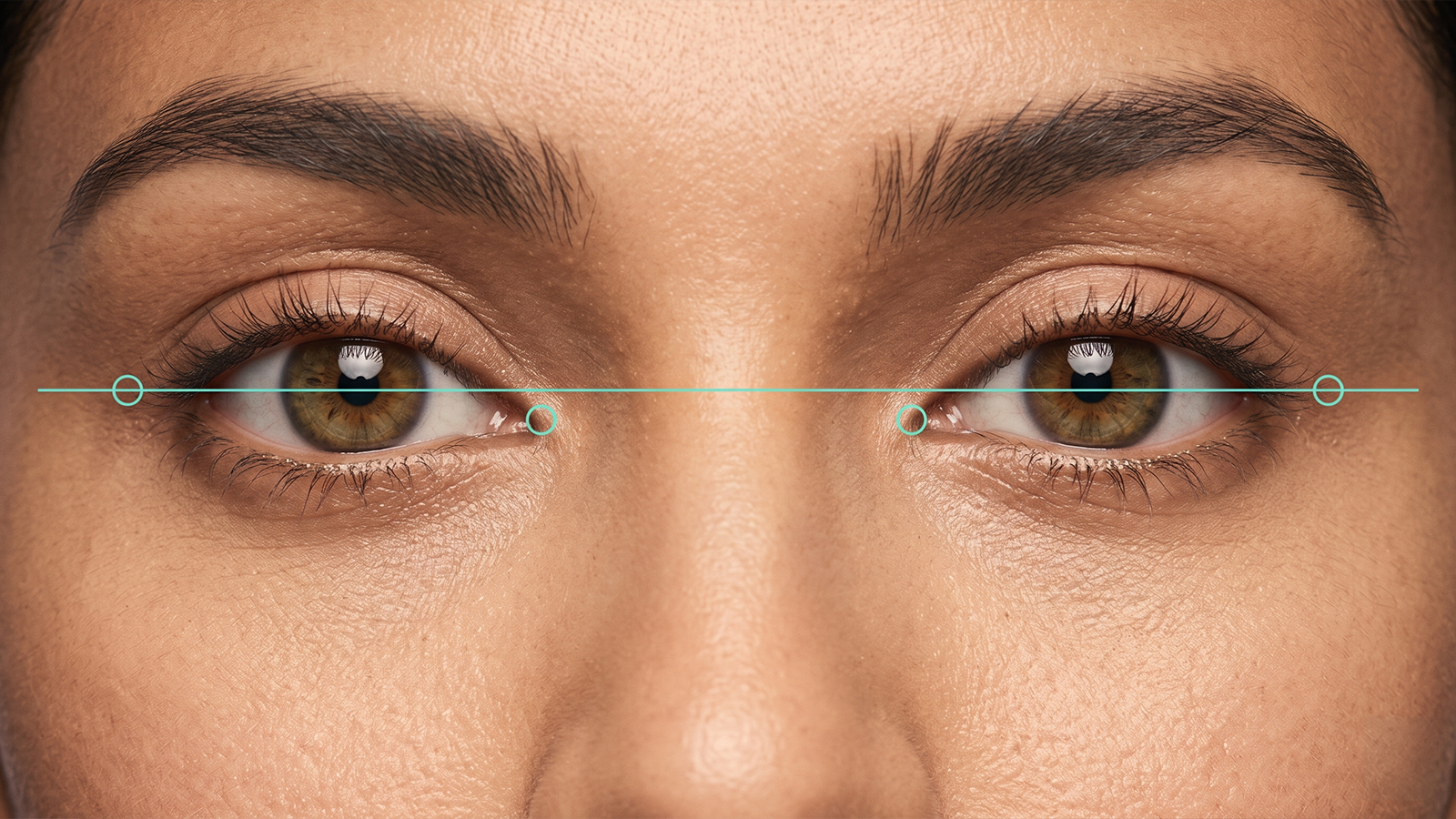
Before starting, let me clear one thing: you don’t need a measuring tape or an app to get started. A mirror and good lighting are usually enough to observe the main features of your eye shape. Here are five things to look for when identifying your eye shape:
Look straight ahead: Keep your head level and your eyes naturally open. Avoid raising your eyebrows or widening your eyes.
Check your eyelid crease: Is it clearly visible, partly hidden, or barely visible? Notice how much of your eyelid you can actually see.
Look at your eye corners: Imagine a straight line running from the inner to the outer corner. Are your outer corners slightly higher, lower, or roughly level with your inner corners?
Notice the depth: Do your eyes appear to sit deeper within your eye sockets, or do they look more prominent?
Look at the overall outline: Step back slightly and focus on the shape of your eye opening. Does it look elongated, rounded, lifted, or tilted?
Bonus Tip: Don’t judge your eyes from a single photograph. Lighting, camera angles and facial expressions can change how they appear. A relaxed look in a mirror usually gives you a much better starting point.


The 7 Different Eye Shapes
Here are seven commonly described eye shapes and spacing patterns, and how you can check yours.
1. Almond eyes
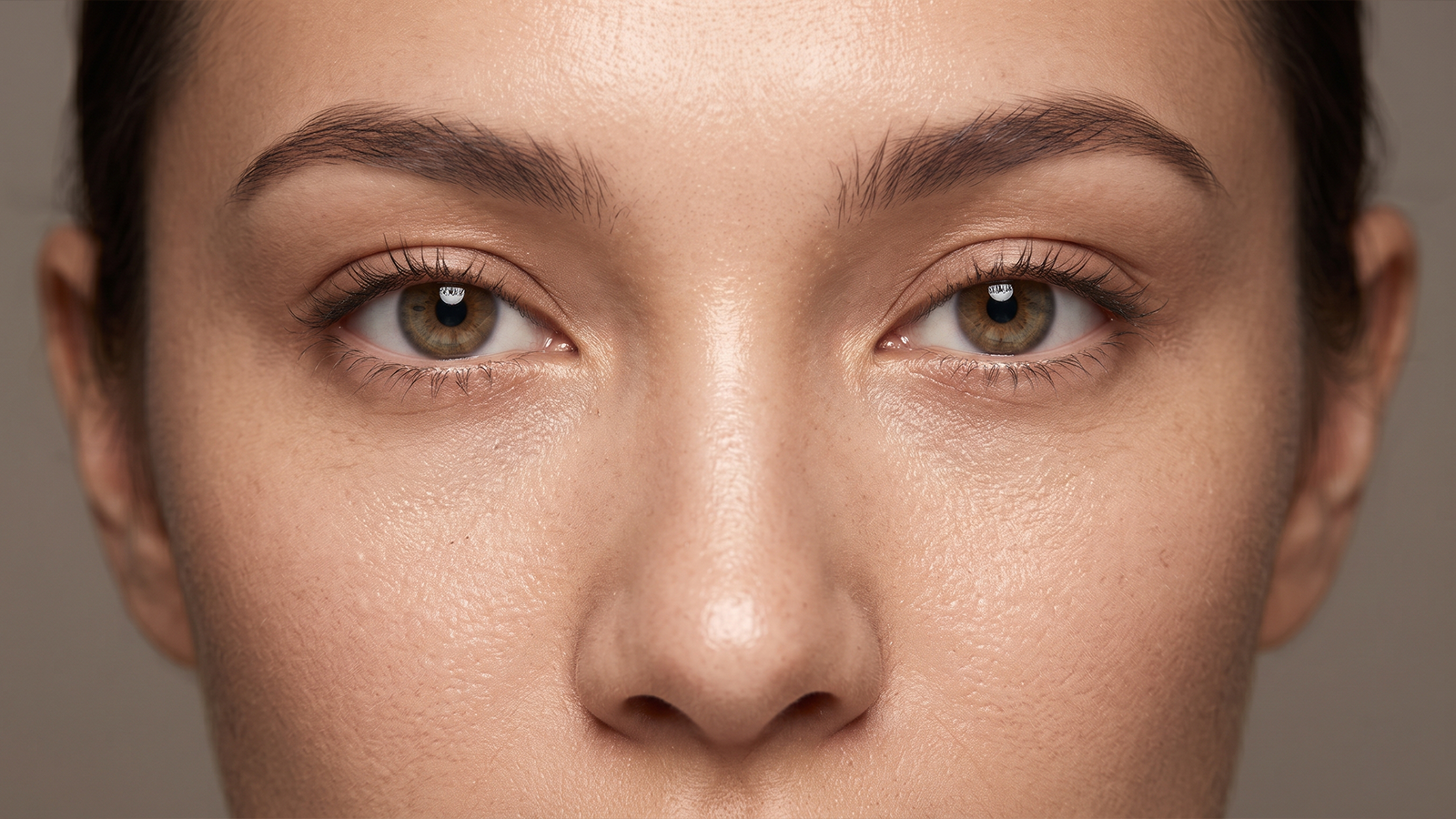
Almond eyes have a slightly elongated appearance, with the inner and outer corners narrowing naturally. The eye opening tends to have a tapered shape rather than looking distinctly round.
Makeup & Styling Ideas: A classic winged eyeliner can follow the natural shape of almond eyes. Soft eyeshadow blended towards the outer corners can add definition. Mascara can add further emphasis to the eyes.
2. Round eyes
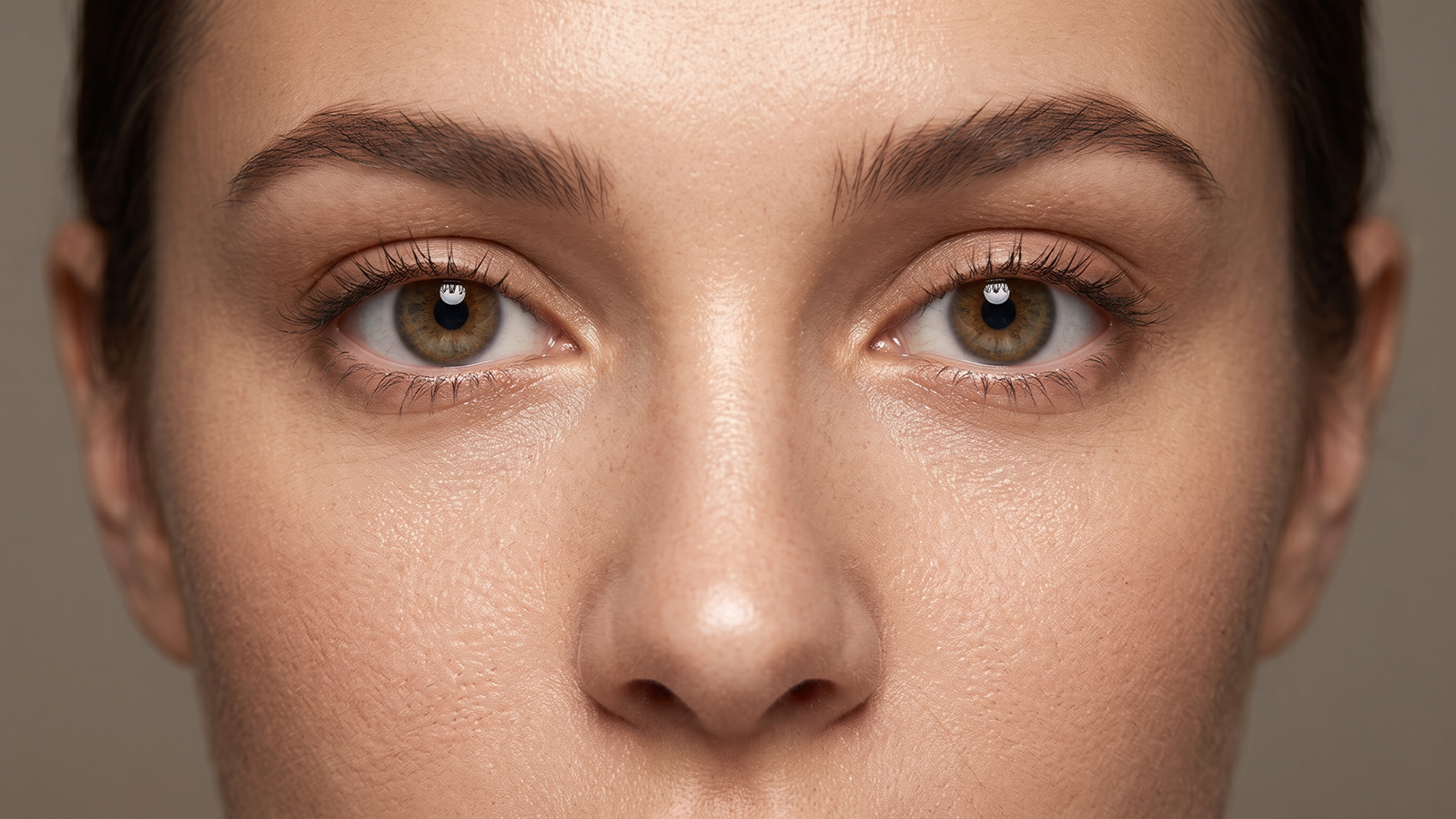
Round eyes have a more open appearance, with a relatively rounded eye opening and more of the iris and surrounding white of the eye visible. They can appear more open vertically than elongated eye shapes.
Makeup & Styling Ideas: Try extending your eyeliner slightly towards the outer corners to create a more elongated appearance. Darker eyeshadow on the outer edges and mascara focused on the outer lashes can also add definition.
3. Hooded eyes
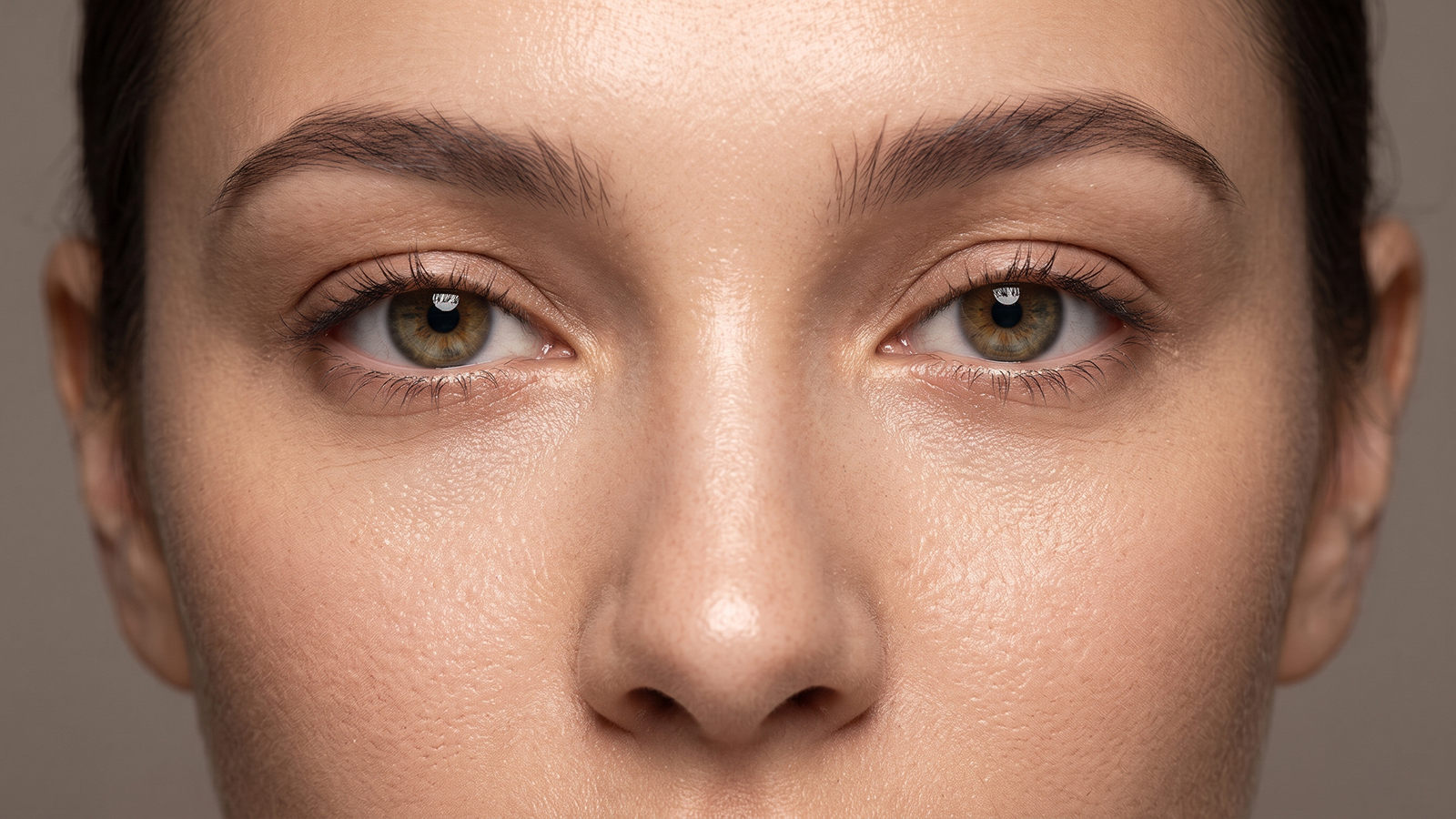
Hooded eyes have a fold of skin that partially or fully covers the eyelid crease. The skin above the crease can overlap the eyelid, making the crease partly or completely hidden when the eyes are open.
Makeup & Styling Ideas: Keep eyeliner thin and focus eyeshadow slightly above the natural crease to make it more visible when your eyes are open. Adding mascara to the upper lashes can also help open up the eye area.
4. Monolid eyes
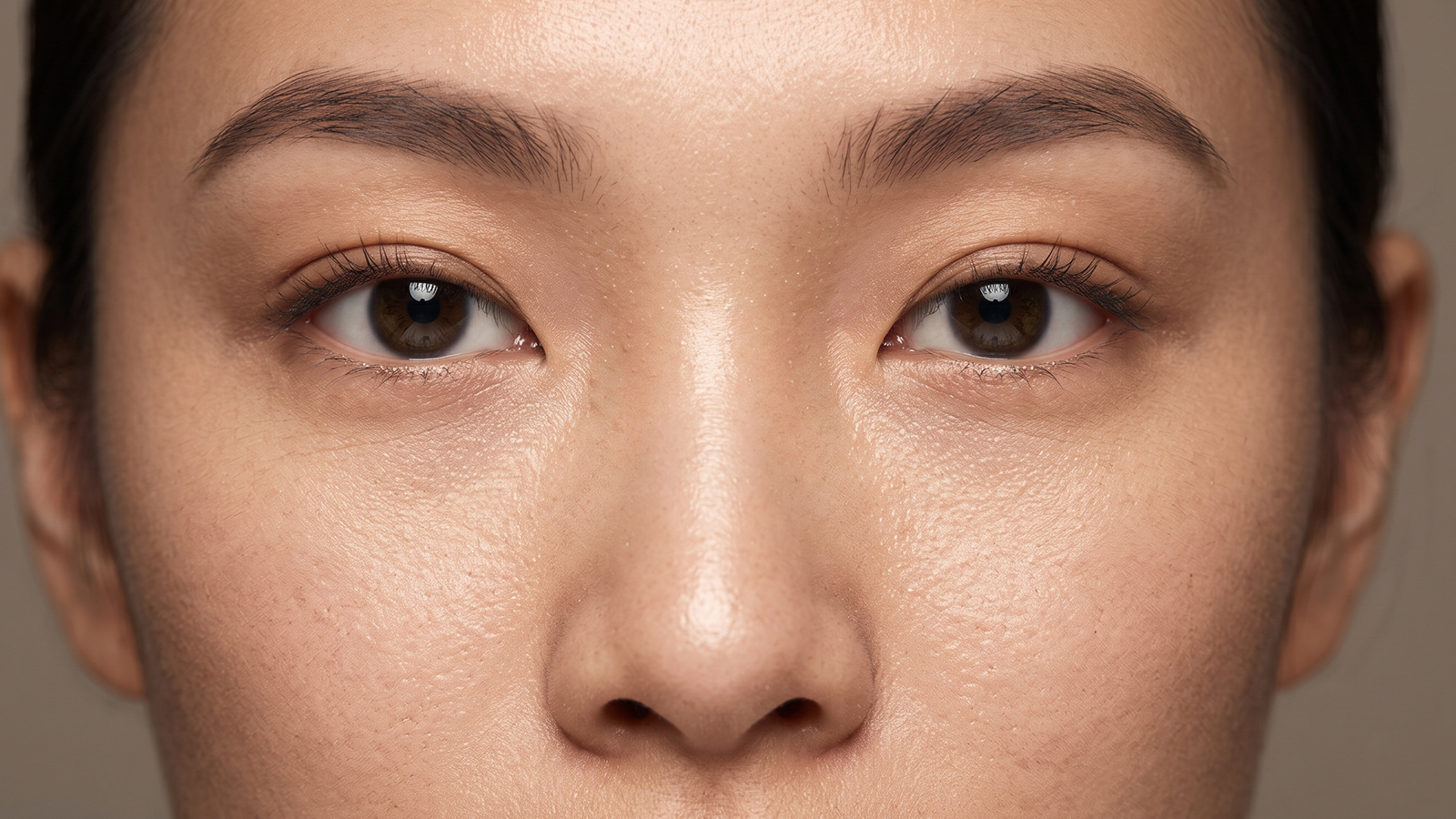
Monolid eyes have little or no visible crease separating the eyelid from the skin above it. Because there is less visible crease definition, the eyelid can appear relatively smooth when the eye is open.
Makeup & Styling Ideas: Monolid eyes give you plenty of room to experiment with bold eyeliner, graphic looks and blended eyeshadow. A gradient eyeshadow and curled lashes can make the eyes appear more open.
5. Upturned eyes
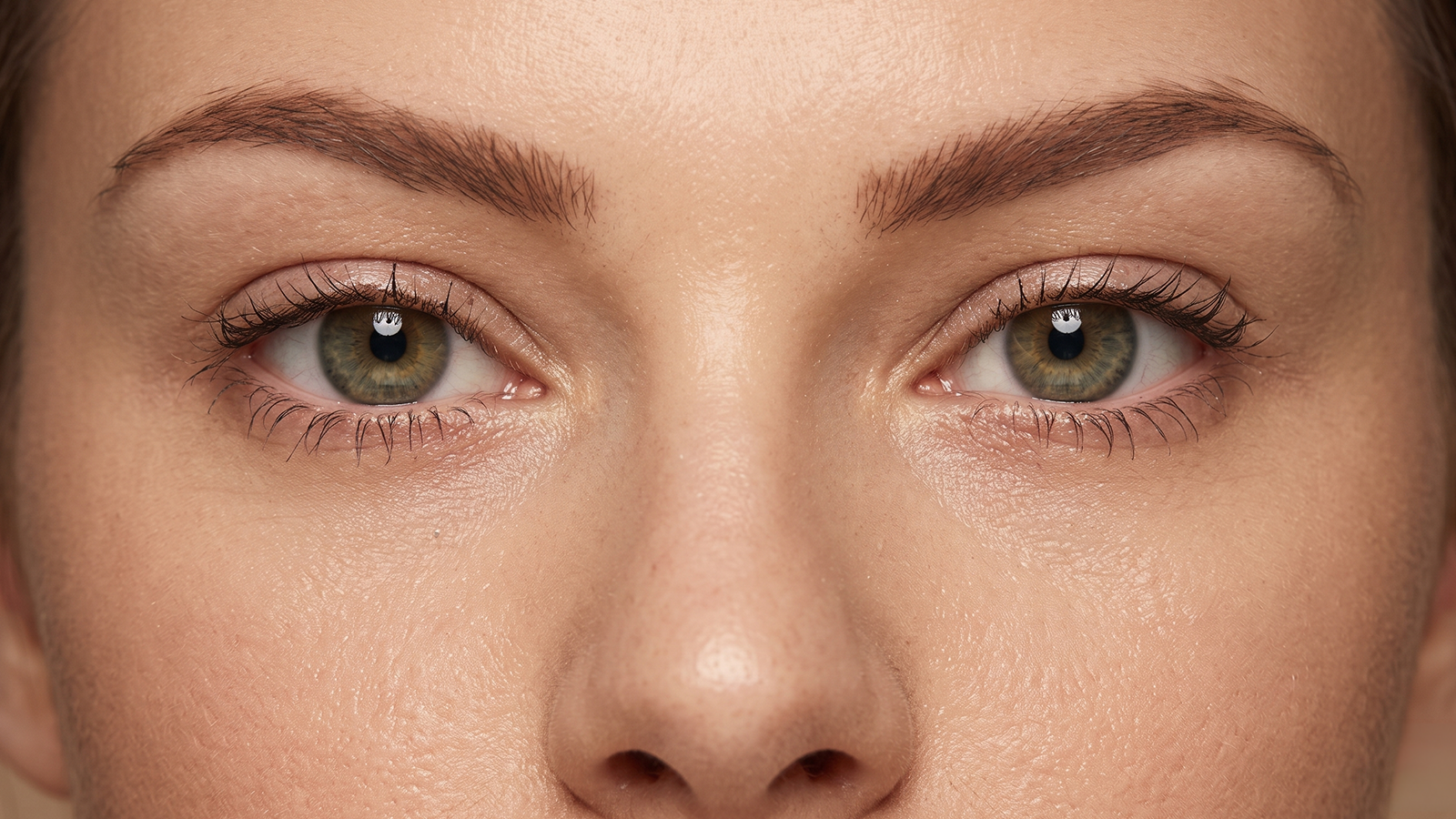
Upturned eyes have outer corners that sit slightly higher than the inner corners, giving the eyes a subtle lifted appearance.
Makeup & Styling Ideas: Highlight the natural lift of upturned eyes with a soft wing that follows the upward direction of the outer corners. Shimmery eyeshadow on the inner corners can brighten the eyes. Mascara on the outer lashes can further emphasise their lifted appearance.
6. Downturned eyes
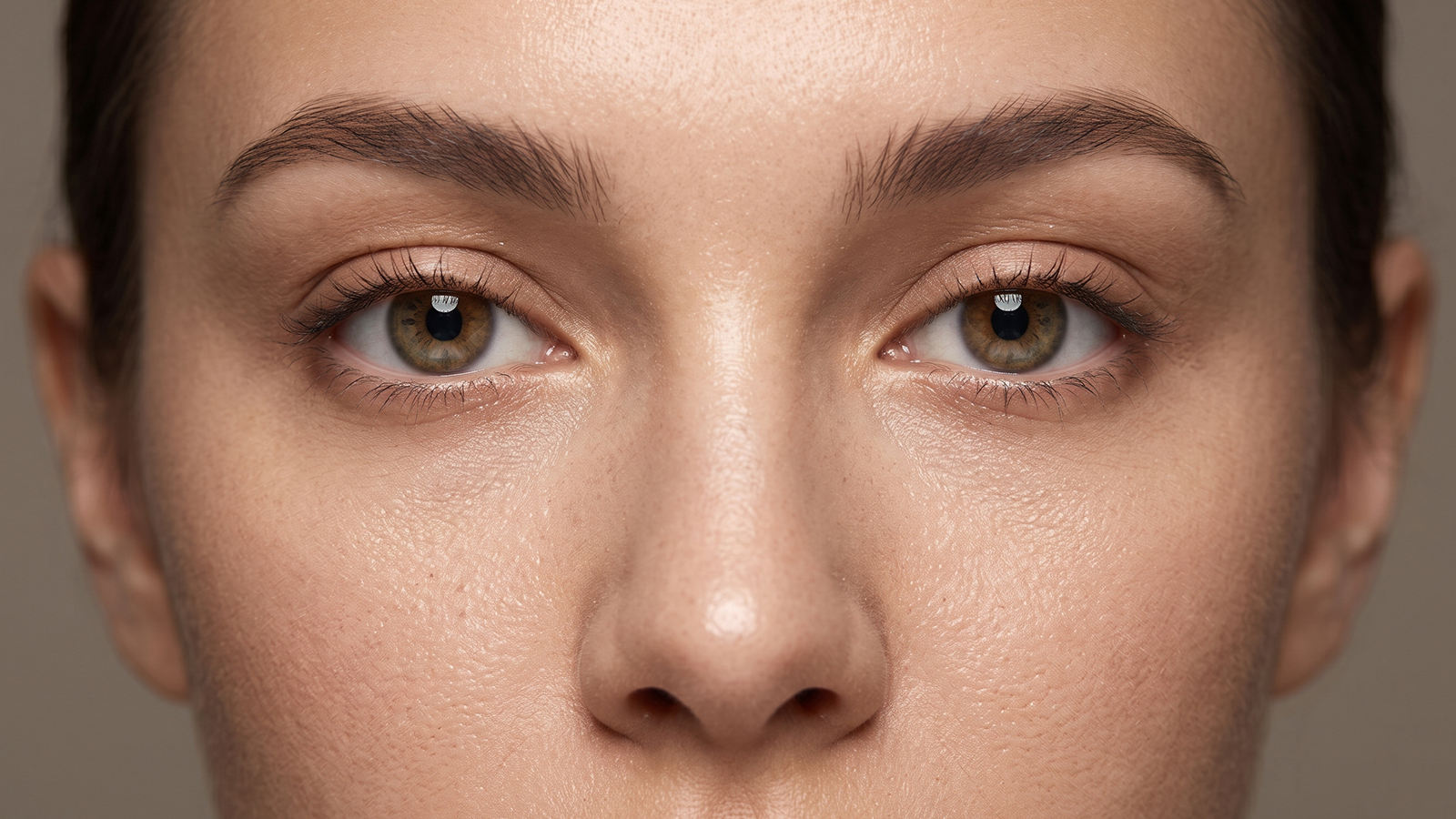
Downturned eyes have outer corners that sit slightly lower than the inner corners, creating a natural downward tilt.
Makeup & Styling Ideas: Try keeping your eyeliner slightly lifted towards the outer corners rather than following the downward angle. Applying darker eyeshadow above the outer corner can create a subtle upward effect. Mascara focused on the upper lashes can open up the eyes.
7. Wide-set & close-set eyes
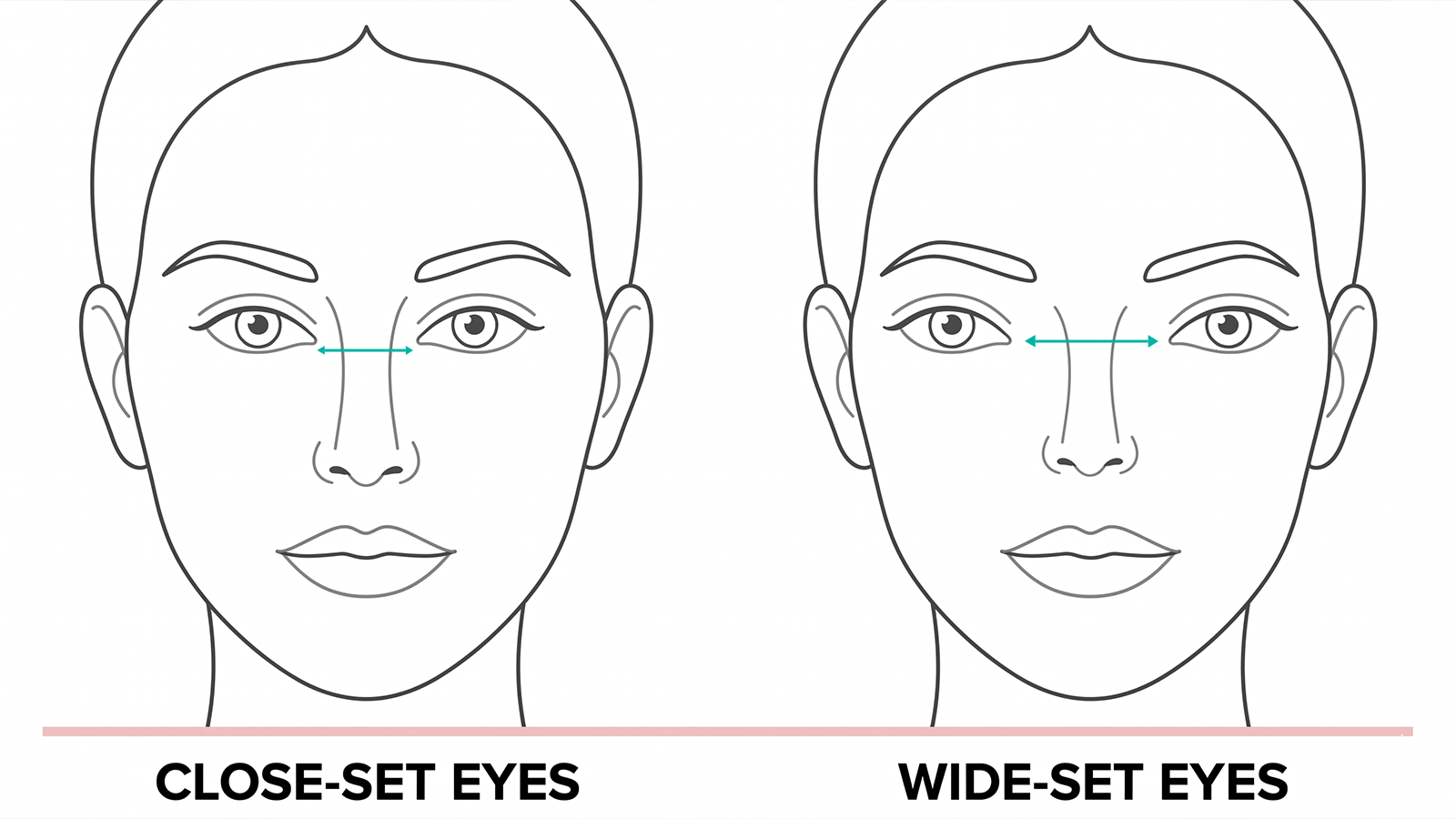
Wide-set and close-set eyes are identified by the amount of space between your eyes rather than the shape of the eyes themselves. This feature can easily exist alongside other eye shapes.
Makeup & Styling Ideas: Makeup can be used to create balance depending on your natural eye spacing. For wide-set eyes, adding definition around the inner corners can bring attention towards the centre.


Why Knowing Your Eye Shape Actually Matters
Knowing about your eye shape is fun. It’s like exploring more about your style and facial features. It can help you understand why certain looks work better for you than others.
Makeup: Your eye shape can guide where to place eyeliner, eyeshadow and mascara to enhance your natural features.
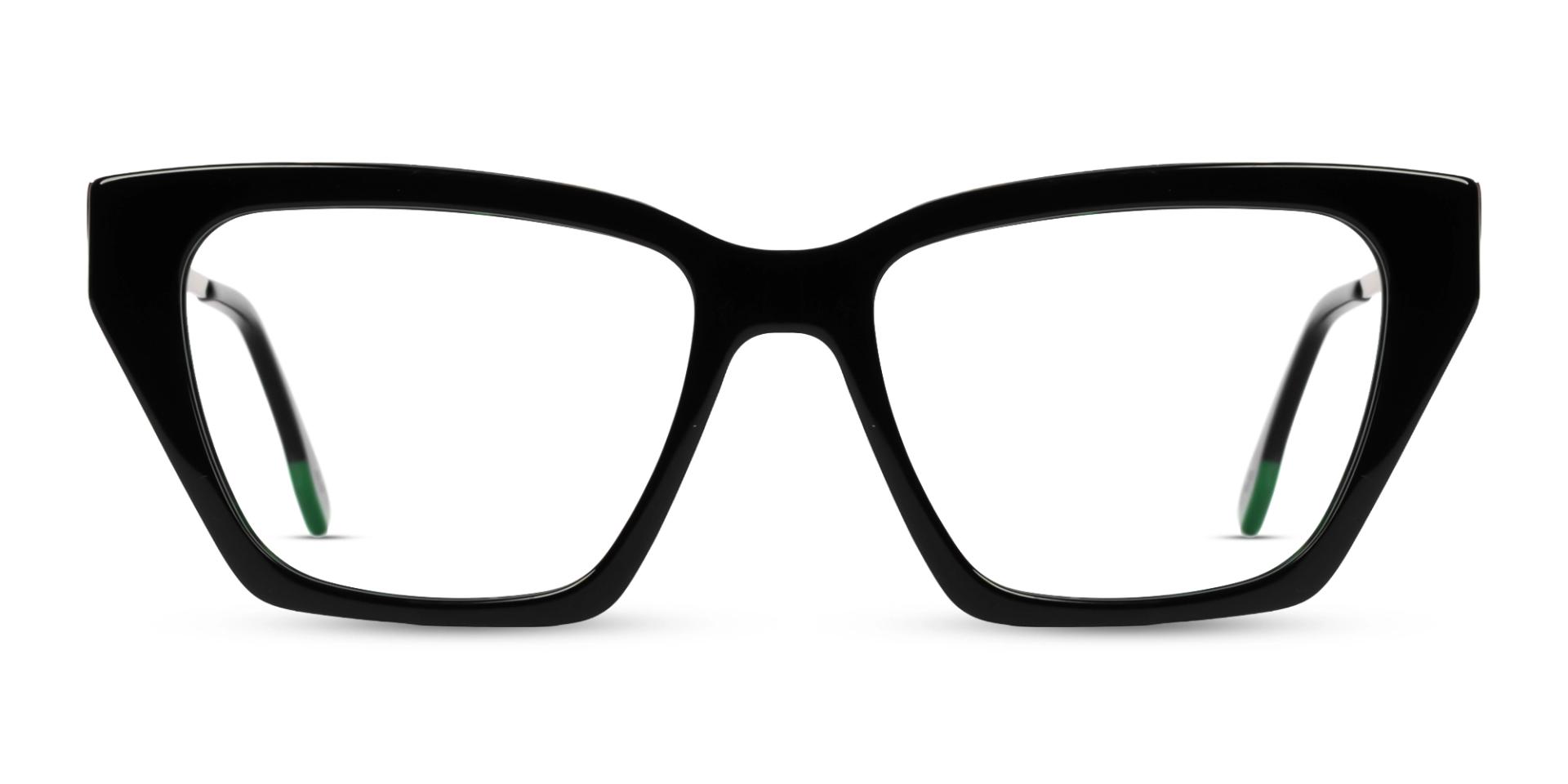
Styling: From glasses and accessories to hairstyles, understanding your proportions can help you choose details that complement your face.
Beauty trends: A look that works beautifully on one person may appear completely different on you because your eye structure is different.
Personal style: Instead of blindly following trends, you can understand which shapes, techniques and details naturally suit you.
Conclusion
Knowing your eye shape is not about following a strict set of rules. It’s about noticing details that make your face unique. Understanding these details can help when choosing glasses, makeup, or other styles. This is a small step towards worrying less about what should look good and more about discovering what naturally works for you. So, the next time a style catches your eye, you’ll know exactly where to start.
Caution: You may become style obsessed