
Introduction
By the time you finish reading this sentence, your eyes will have made numerous microscopic movements, detected light, and processed visual information. Even the most technologically advanced cameras do not replicate the way the human visual system works.
If we compare the visual capabilities of the eyes with cameras, the human eye is sometimes described as being equivalent to a 576-megapixel camera. However, this is only a rough analogy based on assumptions about visual acuity and field of view, not an actual measurement of the eye. Our eyes are remarkably good at taking in detail, movement, and depth. But if they are so good at processing visual information, why can they still feel fatigued by the end of the day?
The answer is more complicated than simply saying your eyes are not working properly. Eyes are biological optical systems that detect light and convert it into electrical signals that are processed by the brain. Eye fatigue can have several causes, including prolonged screen use, reduced blinking, dryness, glare, demanding near work, poor lighting, or an uncorrected or inaccurately corrected prescription.
How Do Our Eyes Perceive The Outer World
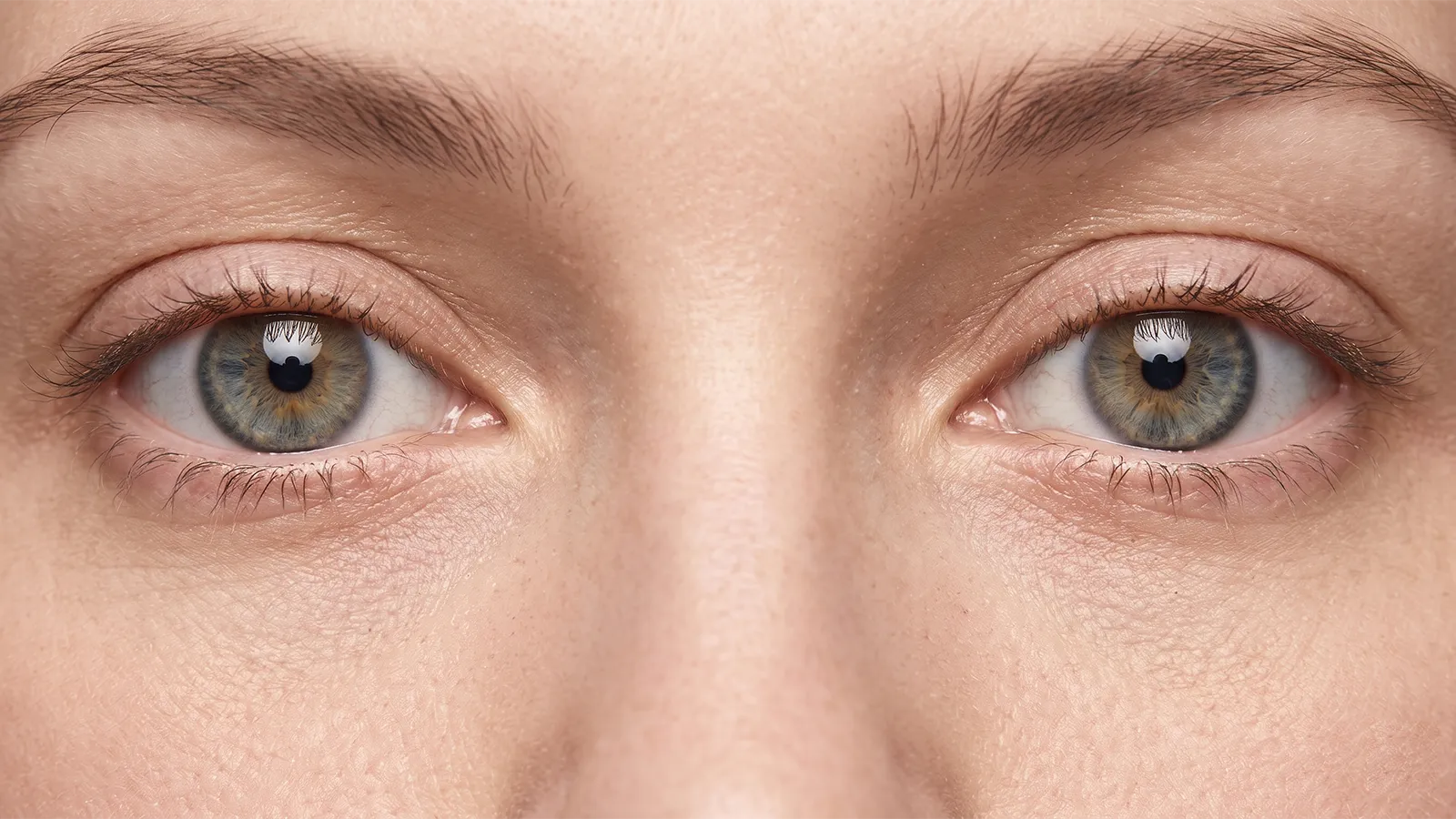
We often associate tired eyes with excessive screen time. But do we try to analyse the process responsible for it?
Most people think of eyes as a camcorder that records flat and steady. But human eyes work more like an active scanning system connected to the brain. The retina receives light and provides information about colour, detail and movement, including through peripheral vision.
Inside the eye, there’s a microscopic area called the fovea centralis. It is the central part of the retina responsible for our sharpest detailed vision.
Since sharp vision is concentrated around the point of fixation, the eyes constantly make rapid movements called saccades to bring different parts of the visual scene into this area. During reading and other visual tasks, these movements can happen several times every second.
The brain then combines information gathered during these brief fixations to create our continuous perception of the world. That’s how you’re able to move your gaze from one word to the next while reading this paragraph.
What Is the Invisible Noise That Flattens The Vision

Whenever a camera captures a blurry image, the usual approach is to check the lens for smudges, dirt, or problems with focus. With spectacles, unwanted reflections, glare, poor lighting, and inaccurate lens positioning can also affect how comfortably we see.
These factors don’t necessarily mean there is something wrong with the eyes themselves. But they can make visual tasks more demanding, particularly when you’re already spending long hours reading, working on screens, or moving between different lighting conditions.
Bouncing Horizontal Rays
Whenever a camera captures a blurry image, the usual approach is to check the lens for smudges, dirt, or problems with focus. With spectacles, unwanted reflections, glare, poor lighting, and inaccurate lens positioning can also affect how comfortably we see.
These factors don’t necessarily mean there is something wrong with the eyes themselves. But they can make visual tasks more demanding, particularly when you’re already spending long hours reading, working on screens or moving between different lighting conditions.
In such cases, colours appear to be flatter, and text on a dark-mode screen appears to blend with the background. The brain has to put in extra effort to separate the text from the background.
Digital Eye Strain
Screens emit visible light, including blue wavelengths. However, blue light itself should not be described as an invisible fog that causes digital eye strain. Long periods of screen use can contribute to eye fatigue for several reasons, including reduced blinking, prolonged near focusing, dryness, glare, and unsuitable screen or room lighting. This can lead to temporary symptoms such as dry or watery eyes, blurred vision, tired eyes, and difficulty maintaining comfortable focus.


Misaligned Lenses
Accurate pupillary distance (PD) and proper lens centration are important when making prescription glasses. If the optical centre of a lens is displaced from where the wearer is looking through it, the lens can introduce unwanted prismatic effects. The amount of prism depends on factors including the lens power and the amount of displacement.
In some cases, unwanted prism can contribute to visual discomfort, eye strain or double vision. This is one reason accurate measurements and proper lens positioning matter when making prescription glasses.
How Precision Glass Helps in Clearing The Fog
Modern eyewear can help address some of the optical factors that make everyday vision less comfortable. Accurate prescription, correct lens positioning, and suitable lens treatments can reduce refractive errors, unwanted reflections, and other sources of visual discomfort.


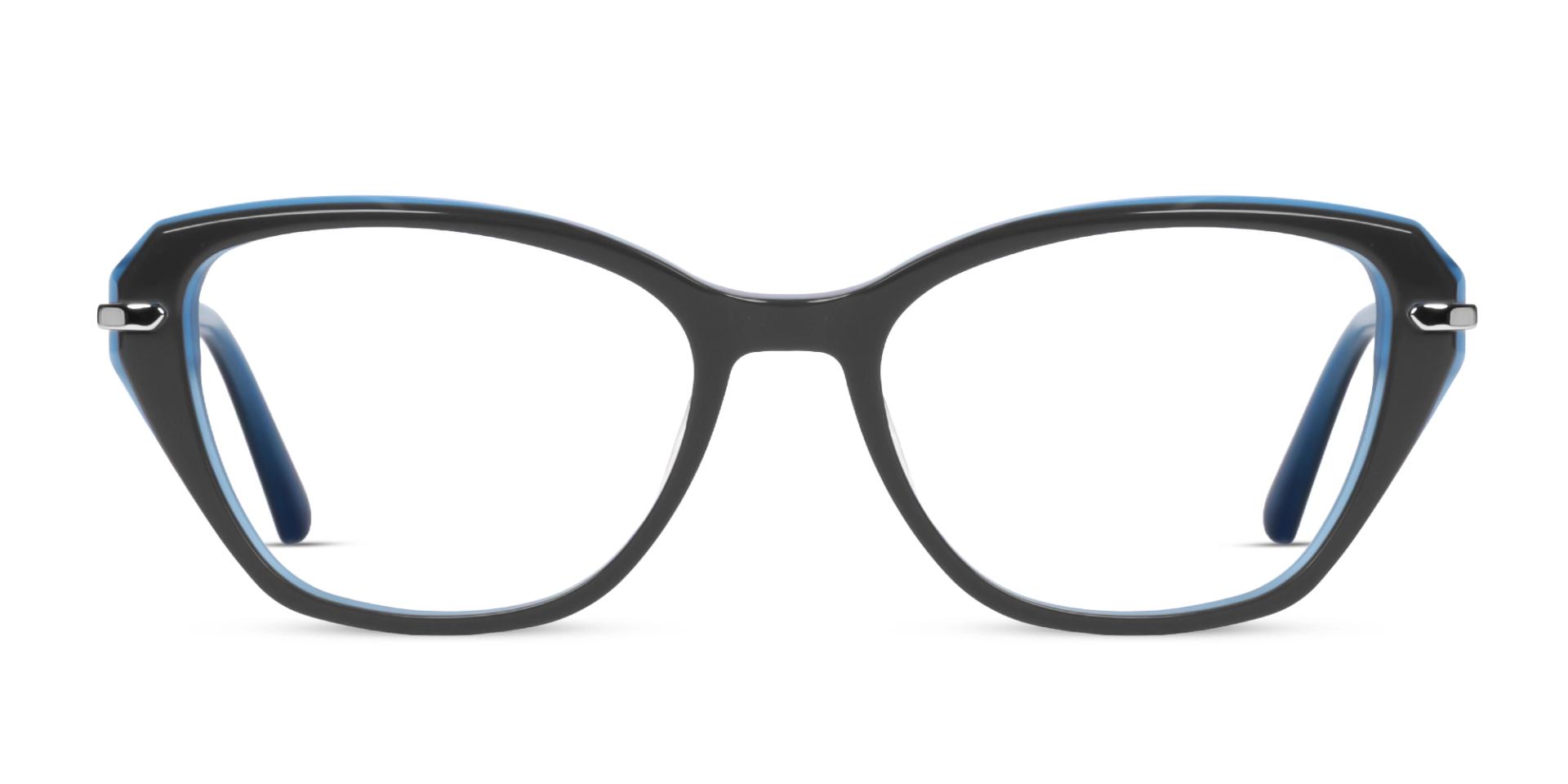


Accurate Lens Alignment
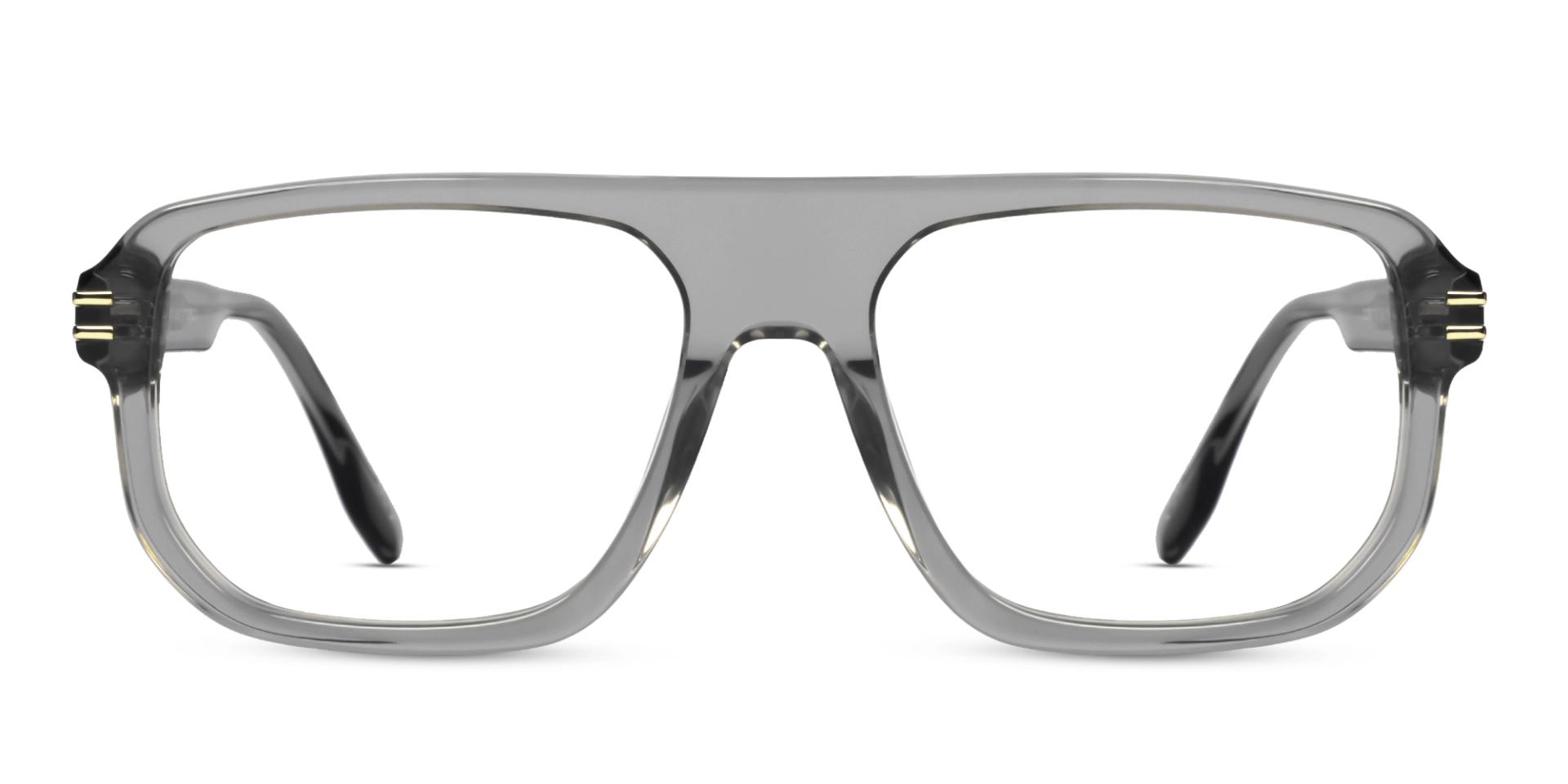
Even a small variation in lens positioning can affect the optical centre, particularly in higher-powered prescriptions. That’s a key reason we use high-end automated systems at our lab that ensure the positioning is accurate for the wearer.
The lenses are positioned and cut according to the wearer’s measurements and prescription. When the optical centre and prescription are correctly aligned with the wearer’s visual needs, light is appropriately focused onto the retina, supporting clear vision.
Lens Features That Can Improve Visual Comfort
Different lens coatings can help with different visual demands. Here’s how Specscart’s lens options can support everyday vision.
Anti-Blue Light - The X Blue lenses by Specscart filter harmful blue light emitted from screens. They are designed to reduce transmission of selected blue wavelengths. Screen habits, blinking, breaks, lighting and accurate vision correction also play an important role in visual comfort.
UV Protection - UV protection helps reduce the amount of ultraviolet radiation reaching the eyes. Specscart lenses include anti-UV protection as standard with any pair of glasses you purchase from us.
Adaptability - Moving between different lighting conditions can be visually demanding. Photochromic lenses adapt their tint as lighting conditions change, becoming darker in suitable outdoor conditions and returning towards their clear state indoors. This can make moving between different environments more convenient.
Tints - Different lens tints can be useful for specific activities and lighting conditions. Depending on the tint and lens design, they can reduce perceived brightness and glare. However, tinted lenses can also alter colour perception, so the right tint depends on how and where you intend to use the glasses.
Closing Thoughts
Human eyes are remarkably capable. They detect depth, movement, fine detail and changes in light, while constantly working with the brain to create the visual experience we rely on throughout the day.
Whenever your eyes start feeling exhausted, it doesn’t necessarily mean your vision is deteriorating. It may simply be a sign that your visual system has been working hard, whether because of prolonged screen use, dryness, glare, demanding near work or other environmental factors. Remember, when you wear glasses with an accurate prescription and properly aligned lenses, you’re giving your eyes the optical correction they need to see clearly.
Caution: You may become style obsessed