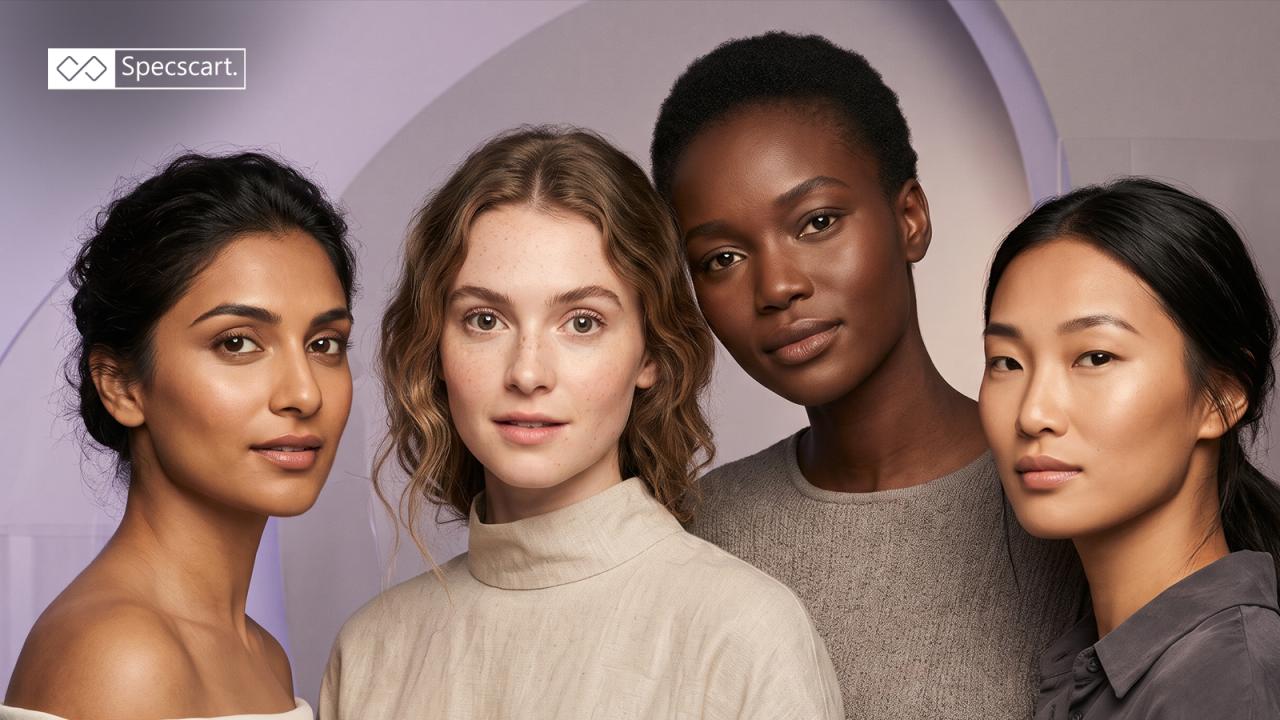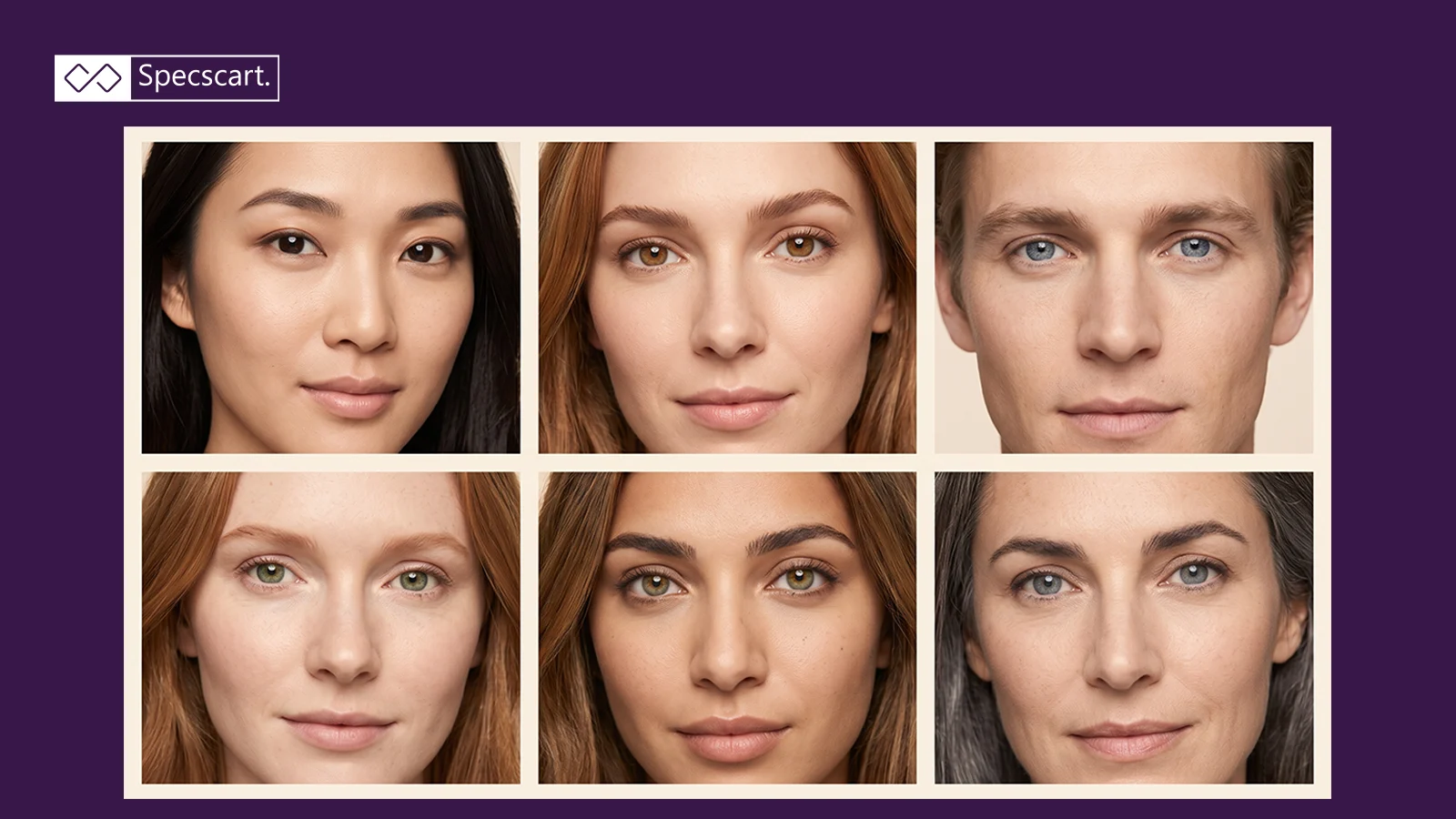

Praising the beauty of eyes, the English poet & Anglican Priest George Herbert once said, “The eyes have one language everywhere.” We second that. Our eyes are one of the most noticeable features of our face. Whether in warm hues of brown, refreshing green, or azure blue, where do our eyes get their colour? Is it purely genetic variation or the amount of melanin present in the iris? Let’s take a deeper dive and understand where the eyes get their colour.
What Determines Eye Colour?
The colour of eyes is a polygenic trait, and it is influenced by different genetic factors. Genes like HERC2 and OCA2 play a key role in determining the colour of the eyes, as they steer the distribution and amount of melanin, the primary pigment present in the iris. Melanin influences the eye colour based on the pattern of the iris and how it interacts with scattered light.




How Does Melanin Affect Eye Colour?
Ever wondered why some people have eyes with lighter or darker shades of brown, green, and blue? The OCA2 gene produces a protein involved in melanin production, while certain variations in the nearby HERC2 gene can influence how much OCA2 is produced.
In general, more melanin in the iris is associated with darker eye colours, while lower amounts are associated with lighter colours. However, eye colour isn't simply a matter of having more or less melanin. How that pigment is distributed within the iris, along with the way light is scattered, also contributes to the eye colour inherited.
How Do Genes Influence Eye Colour?
Genetics is a key factor. The colour of eyes is a polygenic trait, which means multiple genes are involved rather than a single gene to determine whether the colour of eyes is brown, green, blue, or another shade. Variations in the OCA2 and HERC2 genes can influence the amount of melanin to determine the colour of the eyes. Children can inherit a combination of genetic variants that gives a different eye colour from either parent.
For example, parents with blue eyes are likely to have a child with blue eyes. But sometimes, a child could inherit brown, green, or hazel eyes owing to rare variants. This is because eye colour is a polygenic trait which involves multiple genes in action. It influences the pigmentation in the iris, and hence, predicting eye colour isn’t certain.


What Causes Heterochromia?
Heterochromia is a rare condition in which an individual has two different coloured eyes. It may be present from birth or develop later because of injury, disease or certain medications. Generally, this condition is uncommon, and its exact prevalence has not yet been established. Heterochromia is of three types:
Complete: Both eyes appear entirely different in colour and are significantly noticeable.
Sectoral: Only one part of the iris appears different in an eye, like a spot.
Central: The inner ring of the iris around the pupil appears a different colour from the rest of the iris.
Can Eye Colour Change Over Time?
Yes, but it depends on the circumstances. Infants born with lighter-looking eyes might develop darker irises as pigmentation develops. In adults, natural eye colour is usually stable. Under different lighting conditions, though, the shade of the eyes can appear to change without the iris itself changing colour. Some conditions, injuries, and medications can also change the appearance of the iris. These include:
Certain glaucoma eye drops, such as latanoprost
Eye injuries
Chronic eye inflammation (Uveitis)
The Fascination Behind Eye Colour in Humans
Eye colour is far beyond the blue vs. brown gene. Being a polygenic trait, it is influenced by several genes, including HERC2 and OCA2. These genes play a key role in determining the distribution of melanin in the iris. Even the structure of the iris and how it interacts with scattered light also contribute to the appearance of our eyes.
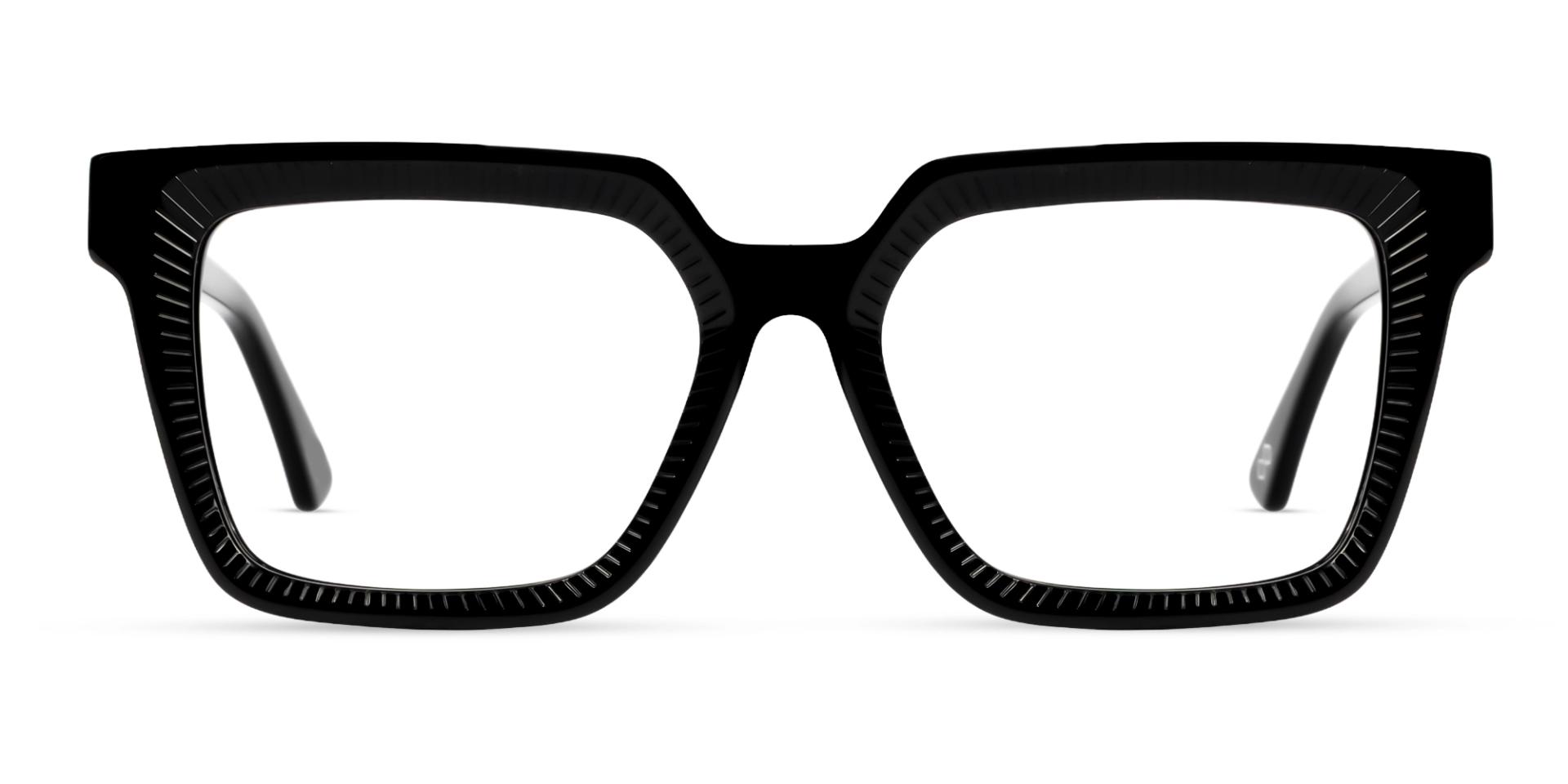
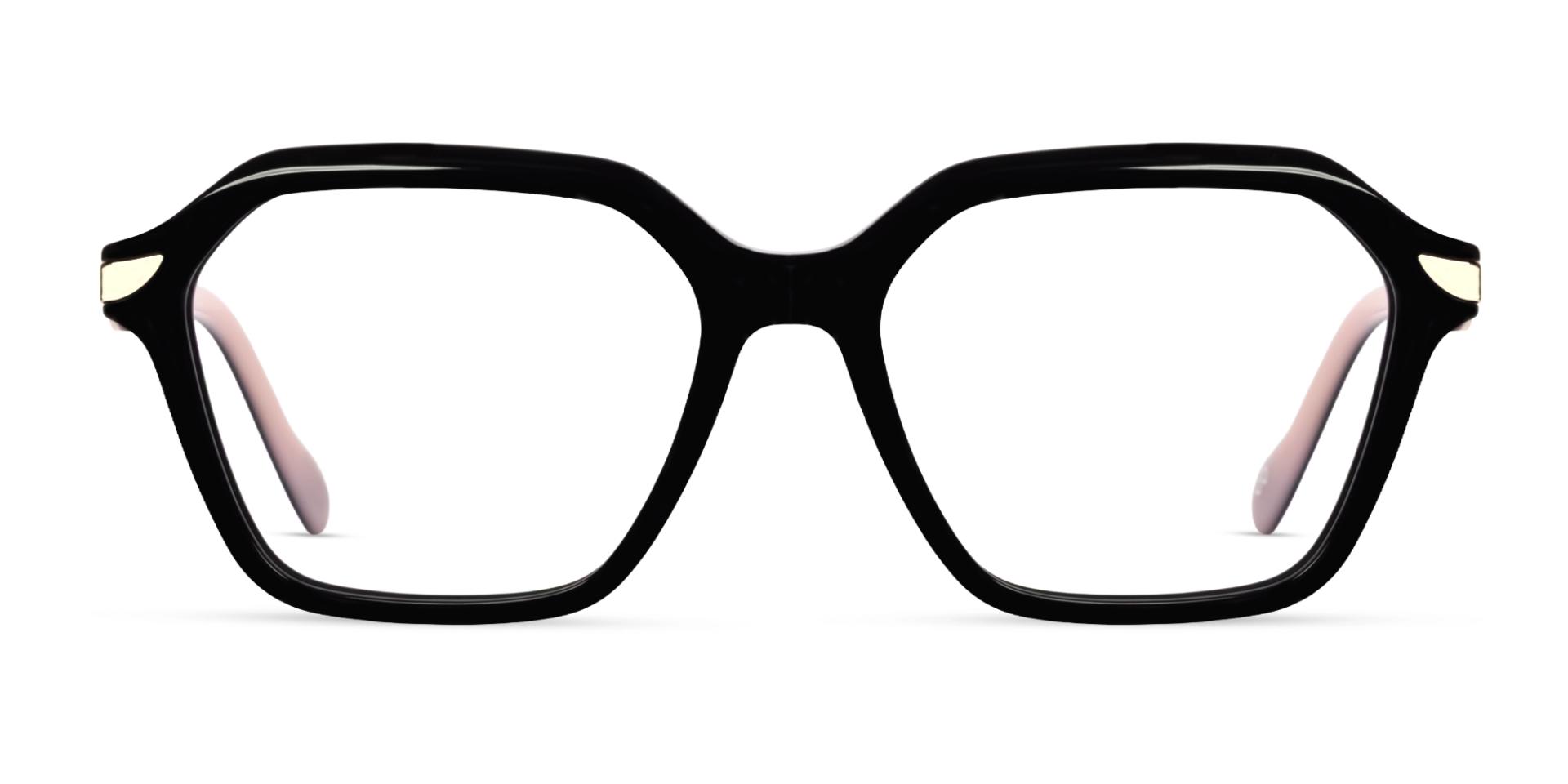
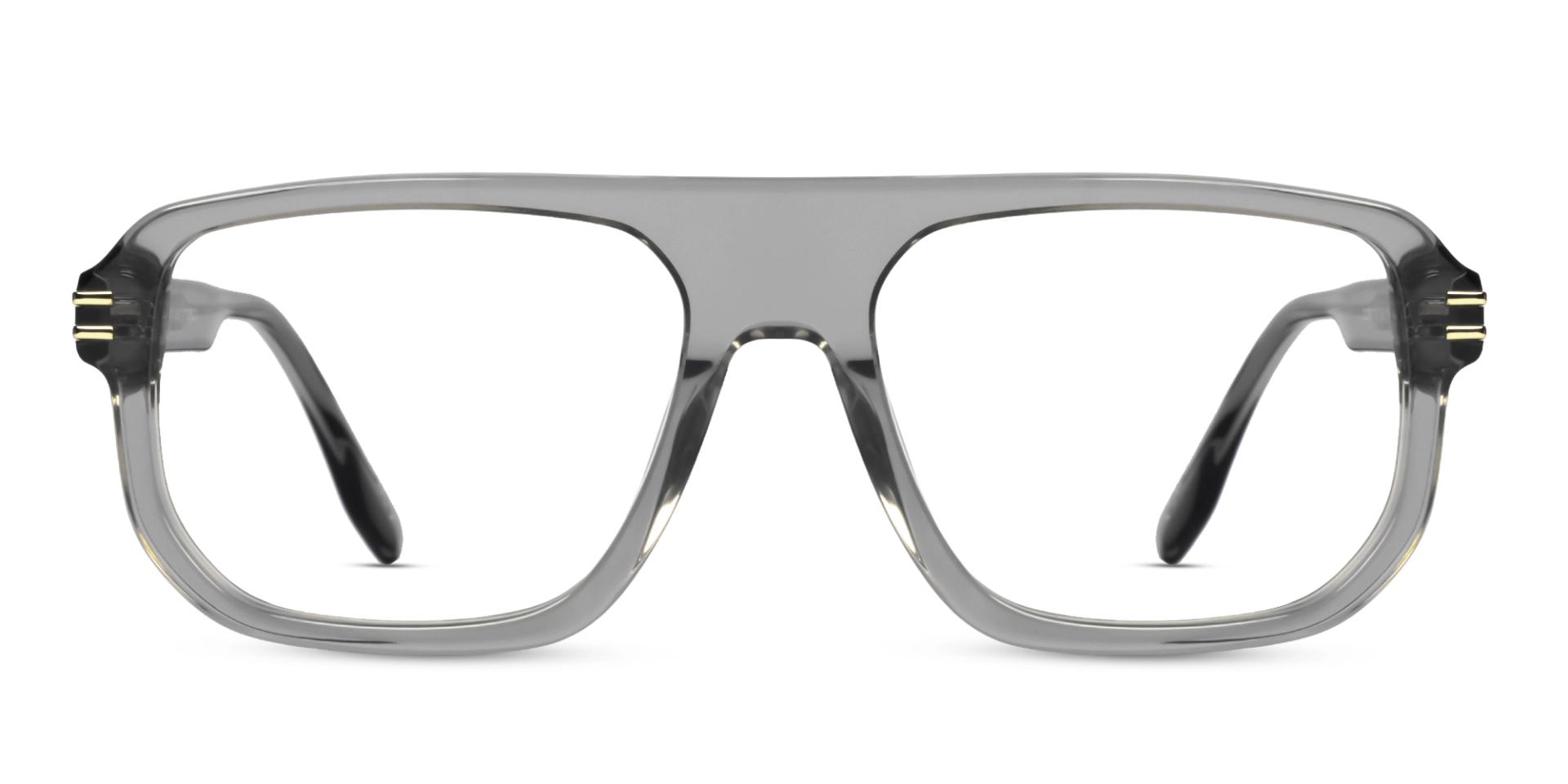
And just as eye colour can add character to your face, the right pair of glasses can complement it. If you’re looking for daily-wear glasses or sunglasses, explore 2000+ eyewear styles at Specscart. They come in different shapes, sizes, and designs, with free, fully loaded lenses featuring anti-glare, anti-UV, anti-scratch, and impact-resistant coatings as standard.


FAQs
What role do HERC2 and OCA2 genes play in eye colour?
The HERC2 and OCA2 genes influence melanin production in the iris. Variations in these genes contribute to differences in eye colour, although other genes and the way light interacts with the iris also play a role.
How does melanin affect eye colour?
Melanin is the pigment that influences iris colour. Higher levels are generally associated with brown eyes, while lower levels are associated with lighter colours, such as blue. Green and hazel eyes involve more complex pigmentation and light-scattering effects.
Can two blue-eyed parents have a brown-eyed child?
Eye colour is influenced by multiple genes, so inheritance is more complex than a simple dominant-recessive pattern. Two blue-eyed parents are very likely to have a blue-eyed child, although unusual outcomes can occur.
What is heterochromia, and what causes different-coloured eyes?
Heterochromia is a difference in colour between the eyes or within one iris. It may be present from birth or develop later due to factors such as injury, inflammation, or certain medications. It can be complete, sectoral, or central.
Can a baby's eye colour change as they grow?
Yes. A baby's eye colour can change during infancy as melanin develops in the iris. The timing and extent of this change vary, and the final eye colour cannot always be predicted from a baby's appearance at birth.
What causes sudden changes in eye colour in adults?
Sudden changes in iris colour can be associated with eye injury, inflammation, or certain medications, including some glaucoma eye drops. Seek prompt assessment from an eye care professional if a new colour change occurs, particularly alongside pain, redness, or vision changes.
Caution: You may become style obsessed