



Introduction
Most people hear something negative about varifocals even before they ever try them. You might have heard something from a friend who couldn’t get on with theirs. Someone who spent good money and ended up putting them in a drawer. By the time you’re actually considering a pair of varifocal glasses, you’ve often collected a handful of reasons to be cautious.
The problem is that most of these reasons are either outdated or based on a genuinely bad experience with a poor-quality product. Sometimes it comes from information that got passed around without much context. When myths stick around long enough, they start stopping people from making a change that would actually make their everyday life easier. Let’s take a look at some of the common myths about varifocal glasses and the truth behind them.
1."Varifocals will make my eyes weaker"

This is the most common misconception for many people, and there is no strong reason behind it. Wearing varifocals doesn't change the structure of your eye, weaken your eye muscles, or speed up your prescription changes. Presbyopia, being the most common reason why most people need varifocals, is an age-related condition. It happens with age, regardless of what you wear or don't wear. No glasses can either accelerate it or reverse it.
If anything, the opposite of this myth is closer to the truth. If you've been squinting at your phone, pushing through screen headaches, or holding menus further away than feels natural, your eyes have been working harder than they need to. Varifocal lenses remove that effort. As a result, your eyes don’t need to work harder and can comfortably focus on objects across distances without being strained.
2."Varifocals are too expensive"
Varifocal lenses are obviously more expensive when you compare them to a single-vision lens, and that part is not a myth. However, the comparison is not fair most of the time. You can not compare varifocal glasses with only a pair of single-vision glasses. Most people are choosing between either one pair of varifocal glasses or two or three separate pairs of glasses. They might need one for distance, one for reading, and maybe another for the screen. Once you add those up, a single pair of varifocals usually works out cheaper, not just more practical.
There is also a wide range of options within varifocal lenses. Entry-level varifocal lenses are available at lower price points. However, they come with their limitations, like a narrower viewing corridor, more distortion at the edges, and a longer adjustment period. If you are on a strict budget, you can consider bifocal lenses. They’re not as good as varifocals, but they can do the work for people on strict budget constraints. You can check out a comparison between varifocal and bifocals to better understand which is better for your needs. Specscart brings you personalised varifocal lenses with premium protective coatings at the best possible prices. It costs you less than multiple pairs of single-vision glasses and is obviously more convenient in the long run without any compromises.
3."Everyone will be able to tell I'm wearing varifocals"

There's no visible line, no segment, and nothing on the surface of a varifocal lens that signals your prescription to anyone looking at you. From the outside, a varifocal lens looks the same as a single-vision lens. The confusion here usually comes from bifocals, which do have a visible line.
There is practically no limitation in frame selection either. They work well with almost any frame style you'd find in the rest of the range. The only thing you need to keep in mind is that the lens height should be at least 30mm to give the three vision zones enough vertical space. Beyond that, it completely depends on your choice what kind or style of frame you want for your varifocal glasses.
4."You can't drive safely in varifocals"
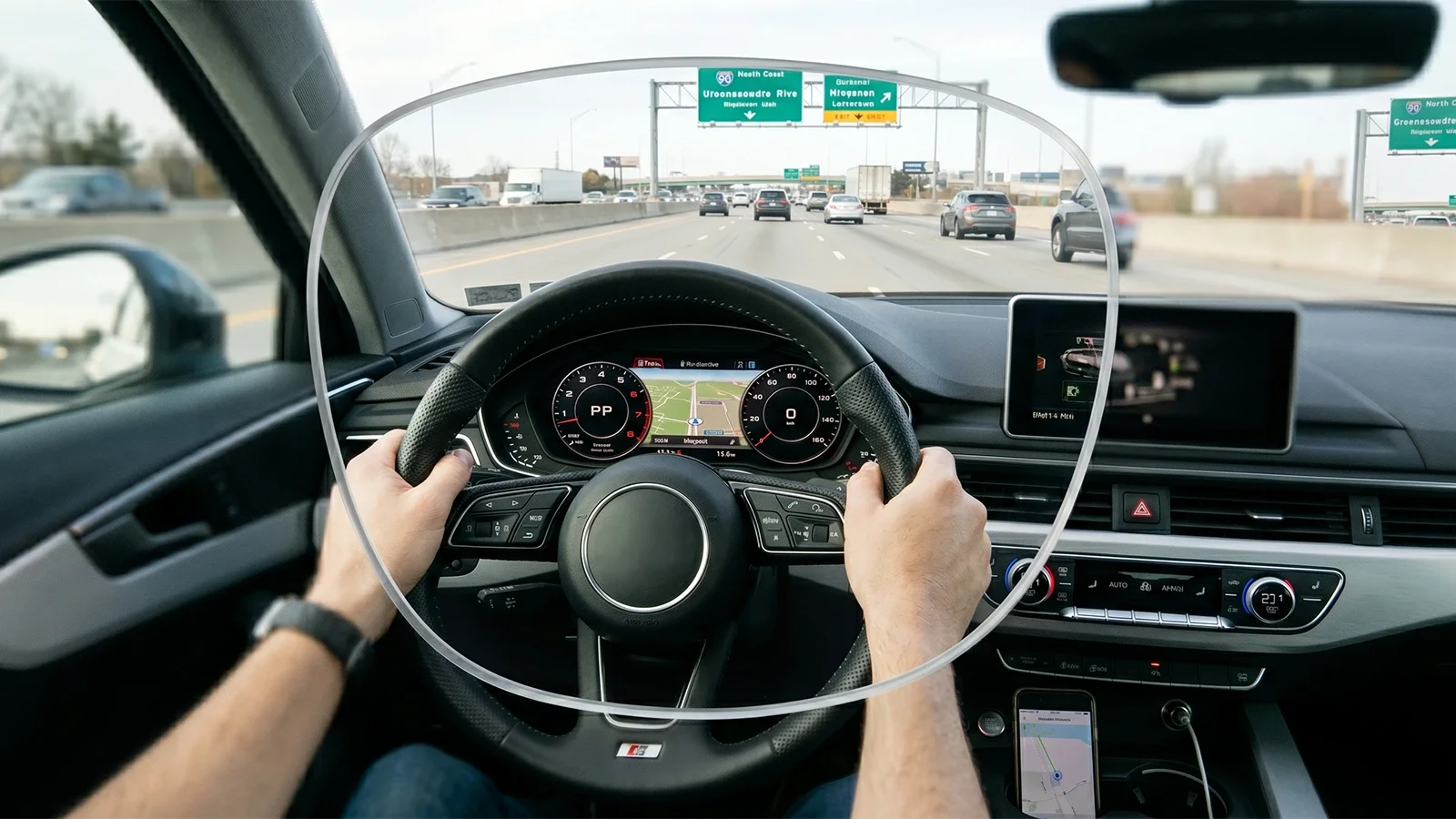
Many people have the perception that varifocals are not good for driving, and it’s based completely on a myth. In fact, varifocals are a better option for anyone who needs vision correction across more than one distance while driving. You’ll need to focus on several different focal distances in quick succession behind the wheel. It requires you to focus on the road ahead, your mirrors, the dashboard, a road sign, and more continuously. If you're managing that with separate pairs, you're either doing it without the right prescription for one of those distances or changing glasses while in a moving car.
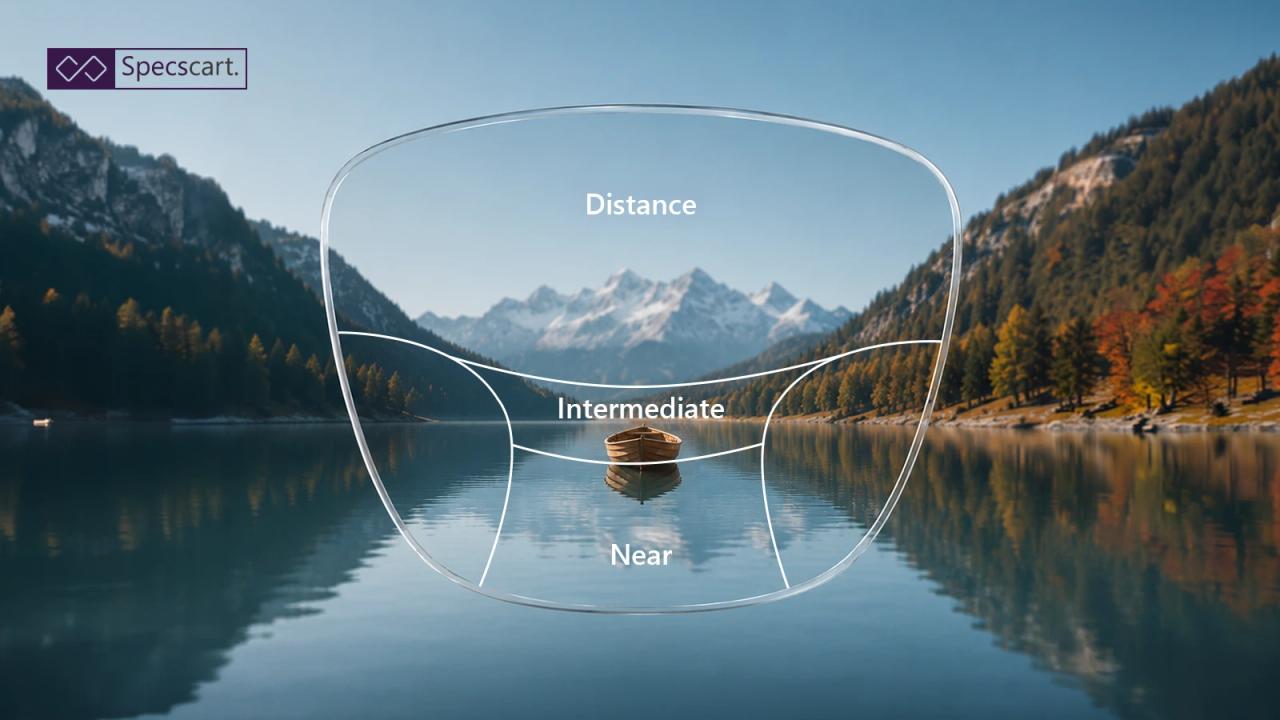
Varifocals handle all of it in one lens. The distance zone covers the road and mirrors. The intermediate zone handles the dashboard and navigation. You don't need to switch anything or think about it. Some premium designs like our Innovator UHD are specifically optimised for demanding tasks like driving with seamless transition and the widest possible progressive corridor.
5."All varifocal lenses are basically the same"

This might be the myth that contributes to some other myths as well. It leads people to buy the cheapest available option in the market. That further leads them to a poor experience, and they end up reaching a conclusion that varifocals don’t work.
The difference between a basic varifocal lens and the premium digitally-surfaced one is very noticeable. The cheaper varifocal lenses available in the market use the same template, where they only adjust the prescription in the lens. The corridor is narrow, there is noticeable distortion around the edges, and the adjustment period is also higger.
On the other hand, advanced digitally surfaced varifocals like Innovator 4D or UHD are shaped point by point across the entire surface. They factor in your individual measurements like your pupillary distance, how the frame sits on your face, and the angle and tilt of the lens. As a result, you get a wider usable corridor, smoother transition between distances, and far less peripheral distortion. Digital RayPath technology used in our varifocals calculates the lens around how light actually reaches your specific eyes, not a generalised version of them. You can learn more about this in our blog on how varifocal lenses work.
6."It takes months to get used to varifocals"

The adjustment timeline that people quote about varifocal lenses comes from their experience with basic varifocal lenses using outdated technology or wearing their new varifocals inconsistently. With personalised premium varifocal glasses, most people adjust within a few days to 2 weeks in some cases. The process works through repetition, and it depends on how consistently you wear your glasses. Each time you move your gaze to a different part of the lens and see clearly, your brain updates its understanding of where to look for each distance. If you keep swapping back to the old glasses, the process resetes and it increases your adjustment timeline. You can learn more about adjusting to varifocal lenses for some pro tips and better adjusting.
7."Varifocals cause dizziness and headaches"

This is a myth that is again based on some bad experiences with varifocals due to poorly fitted lenses, wrong pupillary distance or prescription, or incorrect lens height fitting can cause discomfort. However, that’s a specific problem that can be fixed, and it doesn’t prove any fundamental problem with varifocals. Personalised premium varifocals are fitted to your precise measurements. The distortion zone in these advanced lenses is where your eyes are far less likely to land during normal use.
When people describe dizziness or headaches with varifocals, there's almost always a fitting or quality issue at the root of it. If you’re currently experiencing either of those things with your varifocals, it’s worth having the fitting reviewed before concluding that varifocals aren’t a good fit for you. The problem might be with the specific lens and not varifocals category as a whole.
8."You need a special, larger frame to wear varifocals"
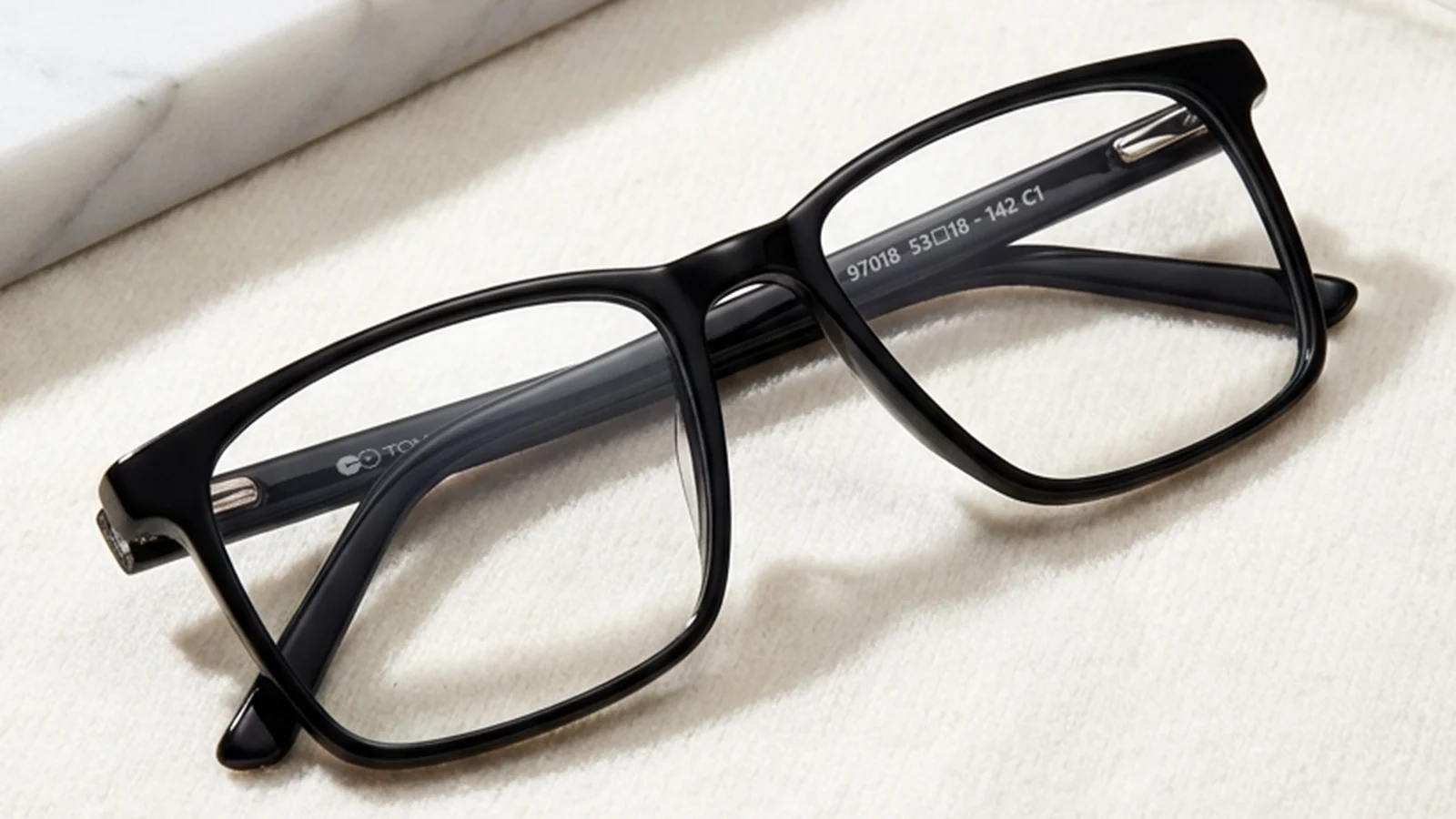
The only practical requirement with modern varifocals is the minimum lens height of 30mm. That exists because the lens needs enough vertical space to fit all three vision zones without compressing the reading area. Very shallow frames with minimal lens depth don't have enough room. However, that constraint only applies to a very small number of frame styles, as most frame styles popular among women have a lens height of 30mm or higher. It doesn’t push you toward any particular style or age demographic. Most people, they won’t even notice this restriction while selecting a frame they’d actually like to wear.
9."Varifocals are only for older people"

Presbyopia typically begins in the early to mid 40s, but the point at which you need varifocals is different for everyone. It depends on factors like your prescription and your lifestyle. Some people start to notice changes in their late 30s, while others manage with reading glasses even into their 50s. The deciding factor is your vision and lifestyle, and it has nothing to do with your age. Beyond that, varifocal lenses look exactly like single-vision lenses from the outside. There's no visible signal that tells anyone if you’re wearing your varifocals.
10."If varifocals didn't work for me before, they'll never work for me"

A past bad experience with varifocals is not a reliable guide to how a new pair will perform. The factors that shaped the previous experience may have been entirely different. Were the lenses a modern freeform-based design or based on a basic template? Were your measurements taken precisely? Was the frame fitted correctly? Were you given clear guidance on wearing them consistently while adjusting?
If you’re doubtful about any of these aspects, most likely your varifocal glasses never had a fair chance. The number of people who genuinely can not adapt to any varifocal lens is very small. The maximum number of people who reached this conclusion again had a bad experience with a particular lens, or the factors mentioned above were not well taken care of. You can try to use modern varifocal lenses like Innovator 4D or UHD, or connect with our customer support executive to ask your doubts.
11."Varifocals aren't suitable for sports or an active lifestyle"

Varifocals are worn by people who cycle, play golf, hike, ski, and take part in all kinds of physical activities. The concern usually comes from the idea that the peripheral zones will disrupt spatial awareness during movement. In practice, once you have adapted to your varifocal glasses, your visual system takes care of all of this automatically in the background. You stop being aware of the zones, and you seamlessly see through the right zone without even noticing for a clear and uninterrupted vision. You can also get varifocal sunglasses or Transitions lenses with our varifocals for outdoor sports. Our Innovator UHD works perfectly for people with an active lifestyle thanks to its wider viewing zones and a seamless experience across all zones.
Where These Myths Actually Come From
Most of the negative stories about varifocals trace back to some common factors. It can be an older lens design, a genuine fitting or quality issue, or second-hand accounts passed around without much context. What someone experienced with a basic pair of varifocals several years ago tells you very little about what a premium, digitally surfaced pair fitted to your precise measurements will feel like. The technology has improved drastically, and so has the experience. It’s pretty much the same as comparing the touchscreen experience of a Nokia phone in its earlier days to a latest iPhone or Samsung flagship. Our team will always be happy to help if you have any more questions around varifocals or if they’re the right choice for your prescription or lifestyle needs.
Caution: You may become style obsessed