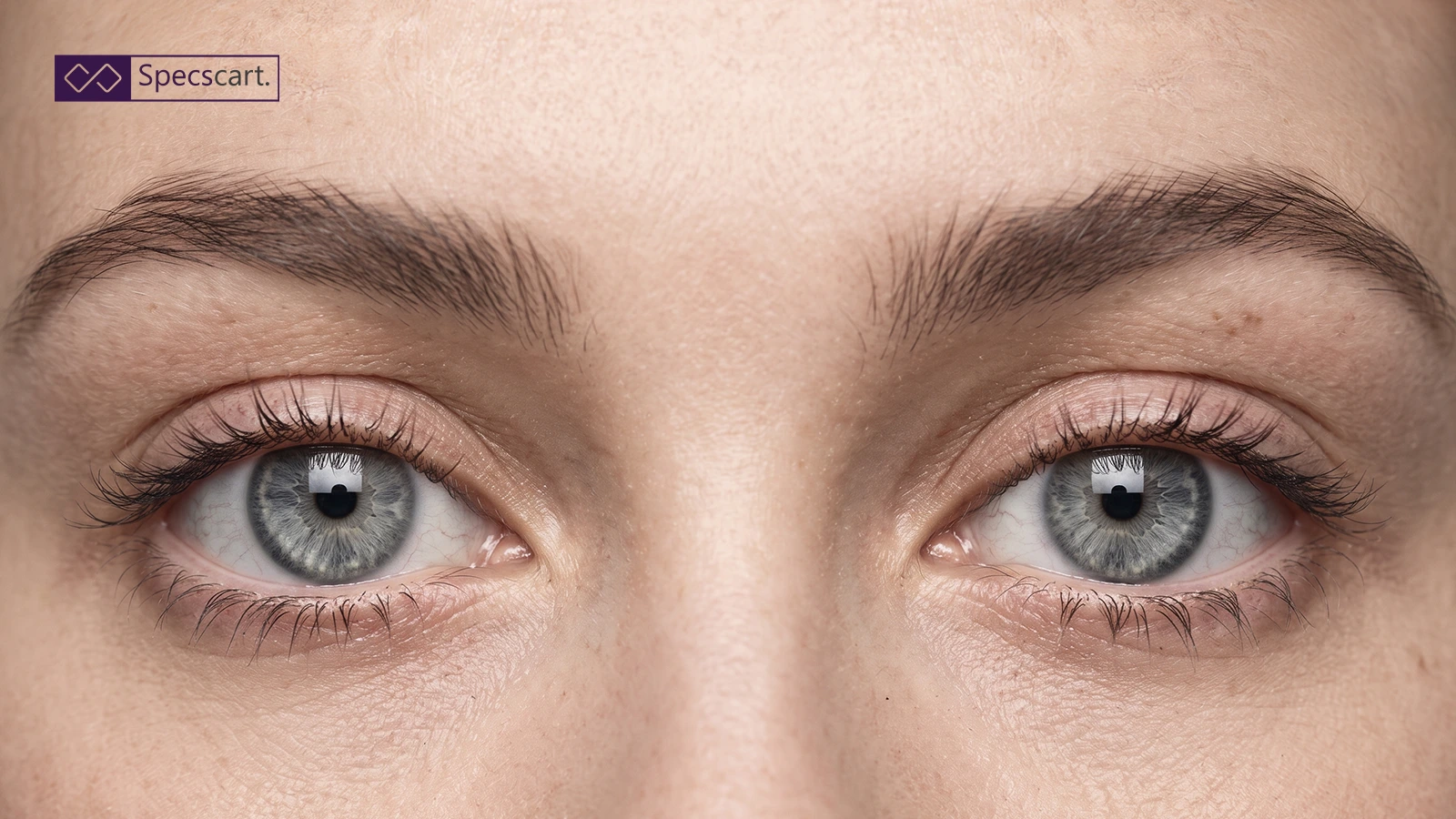

After reading The Hunger Games for the third time, I found myself wondering what makes Katniss Everdeen’s grey eyes so distinctive. They look particularly striking against her olive skin and black hair. In the movies, her eyes appear blue, although certain scenes give them a grey, almost silver tone. It got me thinking: what actually makes eyes look grey?
Grey eyes are intriguing enough to make you look twice. But are they really as rare as they seem? If you're curious about the rarest eye colours in the world, grey eyes are certainly worth exploring. How can you tell them apart from blue eyes, and what makes their colour so distinctive? Let's get into the science behind this intriguing eye colour.
What Makes Grey Eyes Look Grey?
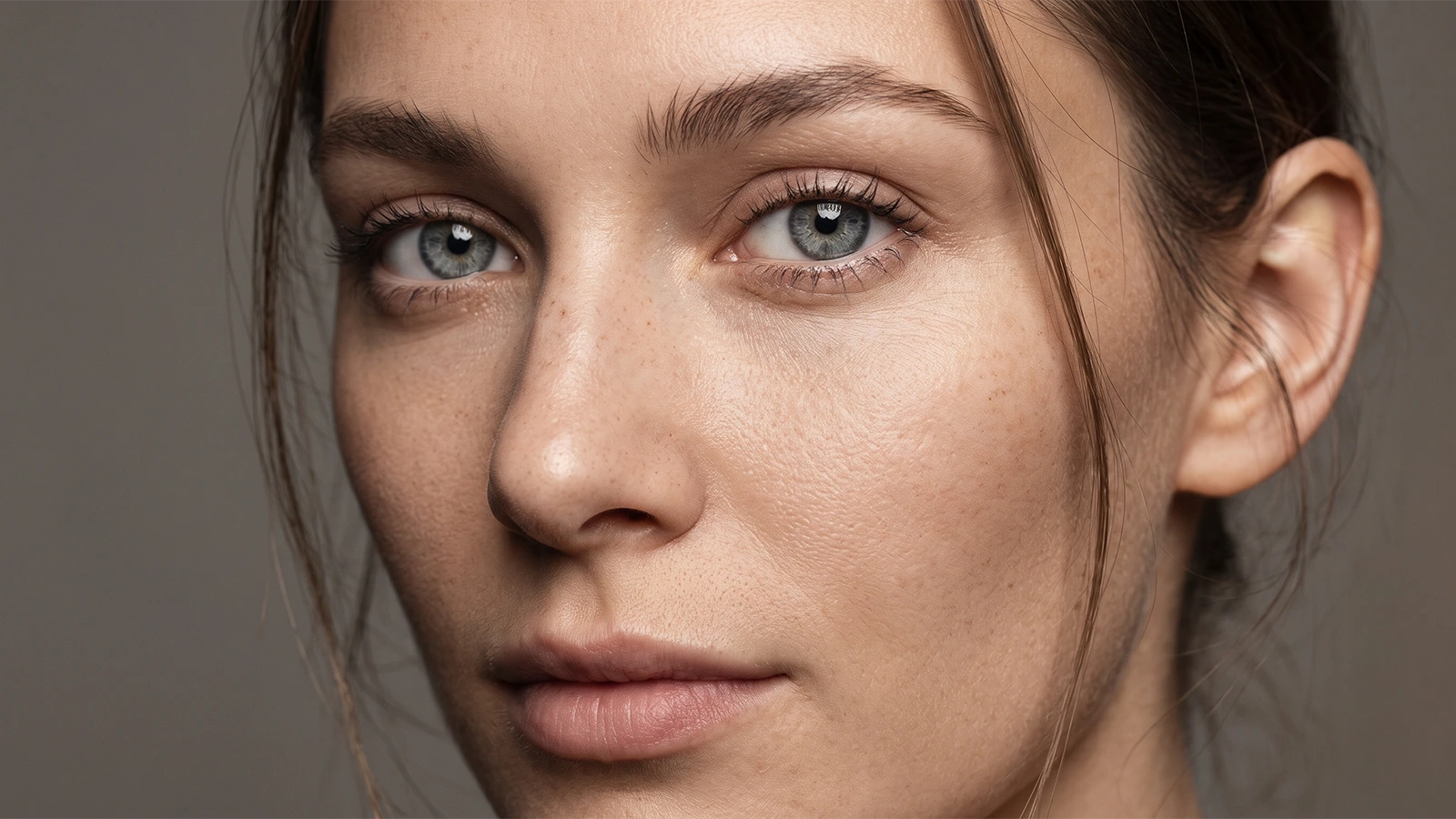
The secret of grey eyes lies in the iris, the coloured part of the eye surrounding the pupil. Their appearance depends on melanin, the pigment that gives the iris its colour, and how light interacts with its structure.
Brown eyes generally contain more melanin, while lighter eyes have less pigment in the iris’s front layer. This difference also helps explain what makes blue eyes appear blue, although the appearance of grey eyes involves other structural factors too.
The iris also contains a supportive tissue called the stroma, which includes collagen fibres. When light enters the iris, its interaction with this tissue contributes to the way the eye’s colour is perceived. Together, pigmentation and light scattering can create the muted, silvery or slate-like appearance associated with grey eyes.
Interestingly, grey is a descriptive eye-colour category rather than a colour produced by a specific grey pigment. Scientists also use different systems to classify iris colours, which means some grey-blue eyes may be grouped with blue eyes instead.
Can You Inherit Grey Eyes From Brown-Eyed Parents?

Eye colour inheritance is more complicated than a simple brown-beats-blue rule. Generally, the HERC2 and OCA2 genes play important roles in eye-colour variation by influencing iris pigmentation. You can also explore the science behind brown eyes to learn more about how melanin contributes to eye colour.
These genes influence how much melanin is present in the iris. Along with several other genes, they help determine the final shade of your eyes. So, is it possible to have grey eyes if both your parents have brown eyes? Yes, although the outcome depends on the combination of genetic variations inherited from both parents.
A child inherits a combination of genetic variants from both parents, which can produce a different shade from either parent’s eyes. That’s why the old dominant-and-recessive charts don’t tell the whole story. Genetics has a few more surprises than those school biology diagrams suggest!
How Rare Are Grey Eyes, Really?
Grey eyes are uncommon, but putting an exact number on their global prevalence isn’t straightforward. A 2025 study analysing eye-colour records from more than 235 million driving licence holders across 31 US states found that 0.7% were recorded as having grey eyes. However, this figure represents the US population covered by the study, not the entire world.
Grey, blue-grey and silver-grey eyes can overlap in appearance, making accurate classification difficult. Different researchers also use different systems to categorise eye colours. So, while grey eyes are undoubtedly uncommon, their exact global prevalence remains uncertain.
Grey Eyes vs Blue Eyes: How Can You Tell the Difference?
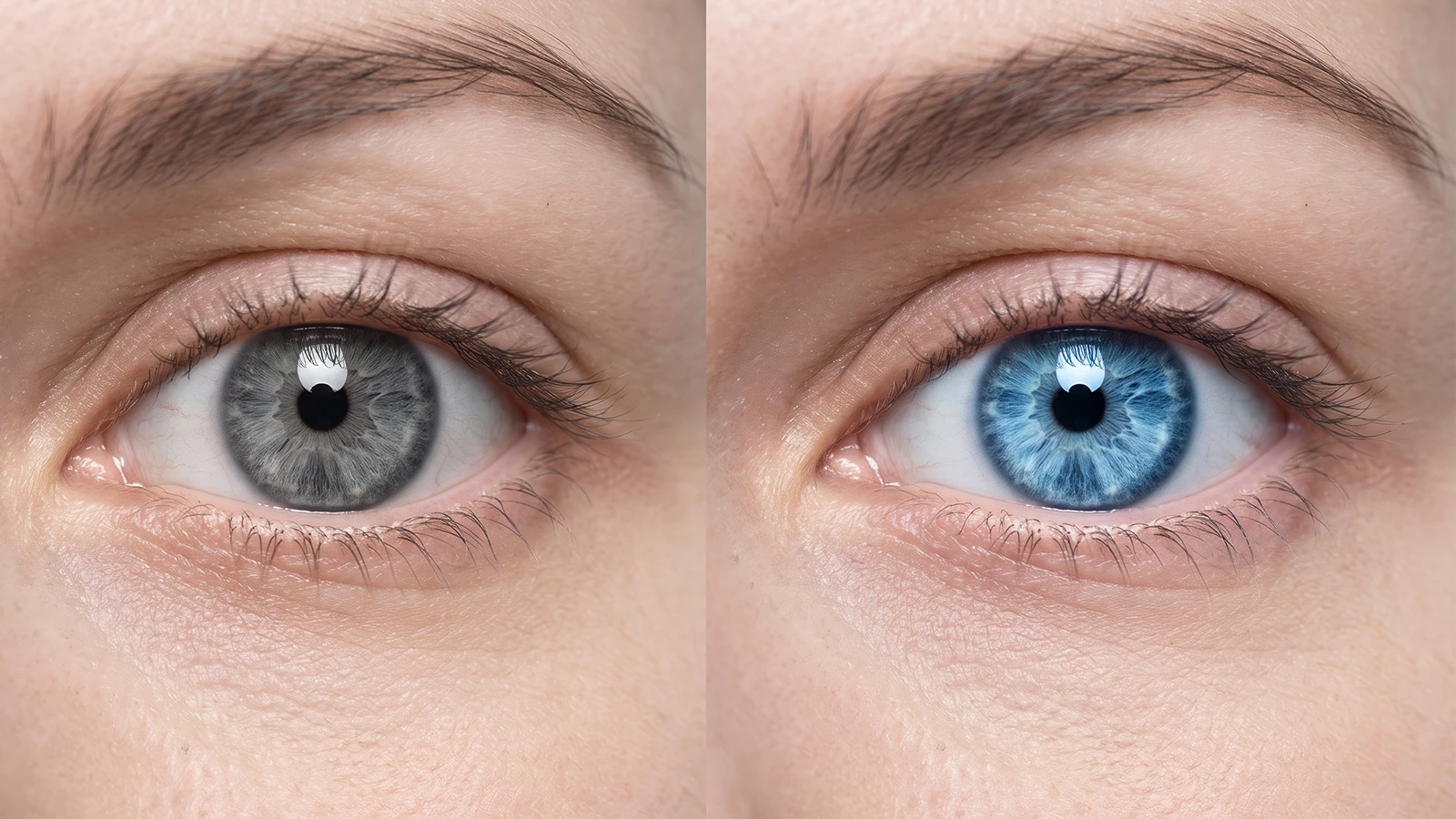
Grey eyes often appear muted or slate-like, while blue eyes have a more noticeable blue tone. However, blue-grey eyes can be difficult to distinguish from grey ones. Since eye-colour classifications vary, looking at your eyes in natural daylight may help reveal their undertones, but it isn't a definitive test.
Are Silver Eyes Different From Grey Eyes?
Silver eyes are generally considered a shade of grey rather than a separate eye colour. But what creates that striking, almost metallic appearance?
Pigment levels: The amount and distribution of melanin in the iris influence how light or dark the eyes appear.
Collagen and light scattering: The iris contains collagen fibres, and the way light interacts with its structure contributes to its perceived colour.
The silver look: Pale grey eyes may appear silvery because of their light, muted appearance. There is no separate silver pigment.
Colour shifting: Grey eyes can appear more blue, green or silver under different lighting conditions.
Different shades: Slate-grey, blue-grey and grey-green are descriptive terms, not standardised biological categories.
Can a Medical Condition Cause Grey Eyes?
Naturally grey eyes are usually inherited, but certain medical conditions can change the appearance of your eyes. It’s important to understand that not all of these changes involve the iris itself.
Cataracts: Clouding of the eye’s lens can make vision hazy and sometimes give the pupil a cloudy appearance, but it doesn’t usually change iris colour.
Corneal scarring: Damage to the cornea, the clear outer layer of the eye, can leave it cloudy or opaque, affecting how the eye looks.
Glaucoma medications: Some glaucoma eye drops, particularly prostaglandin analogues, can increase brown pigmentation in the iris. This change can be permanent.
Eye diseases: Conditions such as Fuchs’ heterochromic iridocyclitis can cause changes in iris pigmentation and appearance.
Are Grey Eyes More Sensitive to Light?
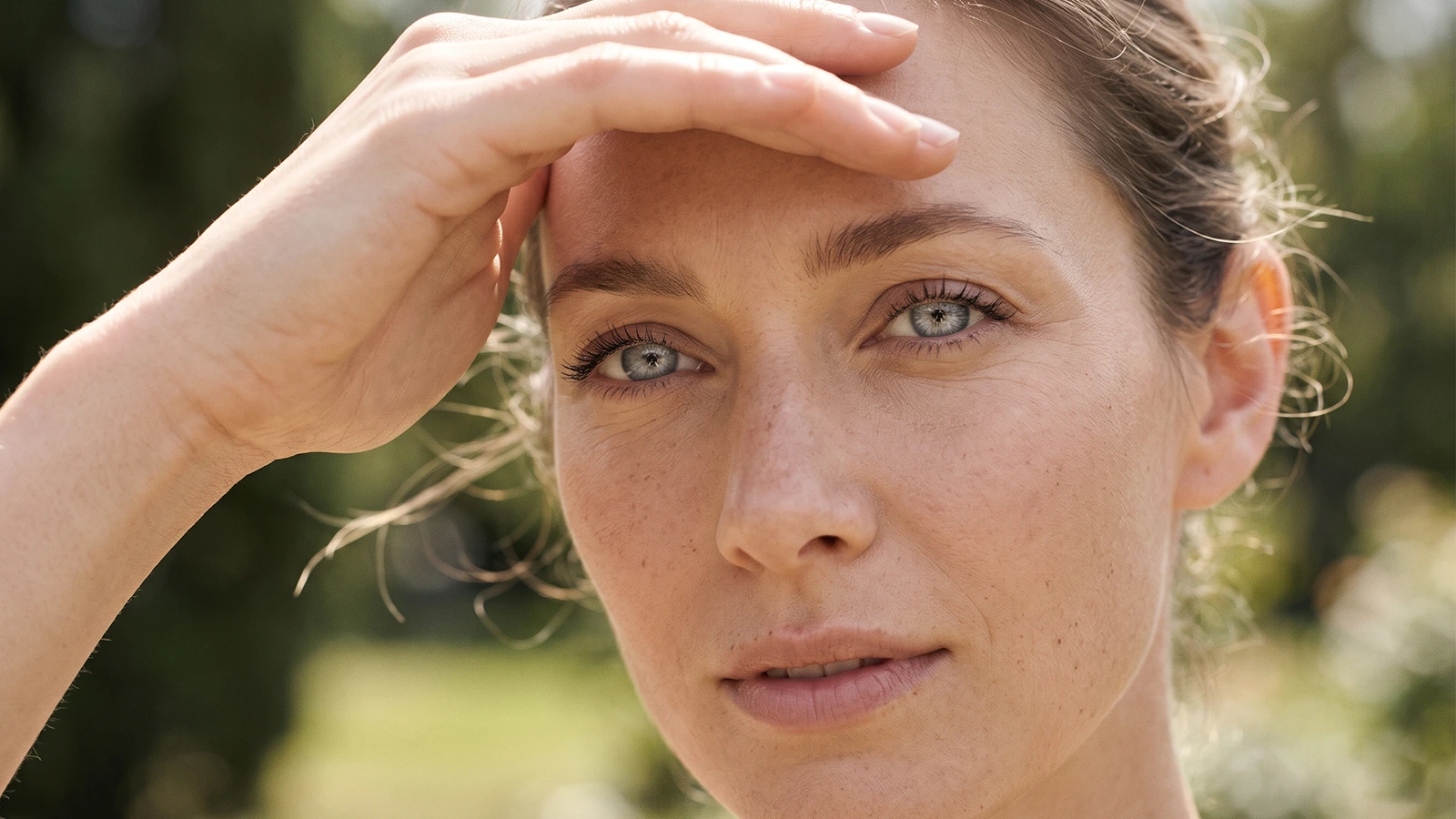
Melanin plays an important role in protecting the eye by absorbing light. Lighter-coloured irises generally contain less melanin in their front layers than darker ones. However, having grey or blue eyes doesn’t automatically mean you’ll experience light sensitivity or develop eye problems. Light sensitivity can have several causes, including certain eye conditions, inflammation and other underlying health issues. It shouldn’t be attributed to eye colour alone.
One thing everyone should take seriously, regardless of eye colour, is UV protection. Prolonged exposure to ultraviolet radiation can increase the risk of eye problems, including cataracts and certain eye cancers. The American Academy of Ophthalmology recommends wearing sunglasses that provide 100% UV or UV400 protection when outdoors. So, whether your eyes are grey, blue, green or brown, make sure your sunglasses offer proper UV protection. It’s a simple habit that helps protect your eyes over time.
Celebrities with Grey Eyes
Annie Lennox, the iconic Eurythmics singer, is often described as having striking blue-grey eyes. Their cool, piercing appearance shows how closely grey and blue-grey eyes can resemble each other. She’s a good example of why identifying eye colour isn’t always straightforward.
How to Style Grey Eyes: Makeup, Hair and Glasses
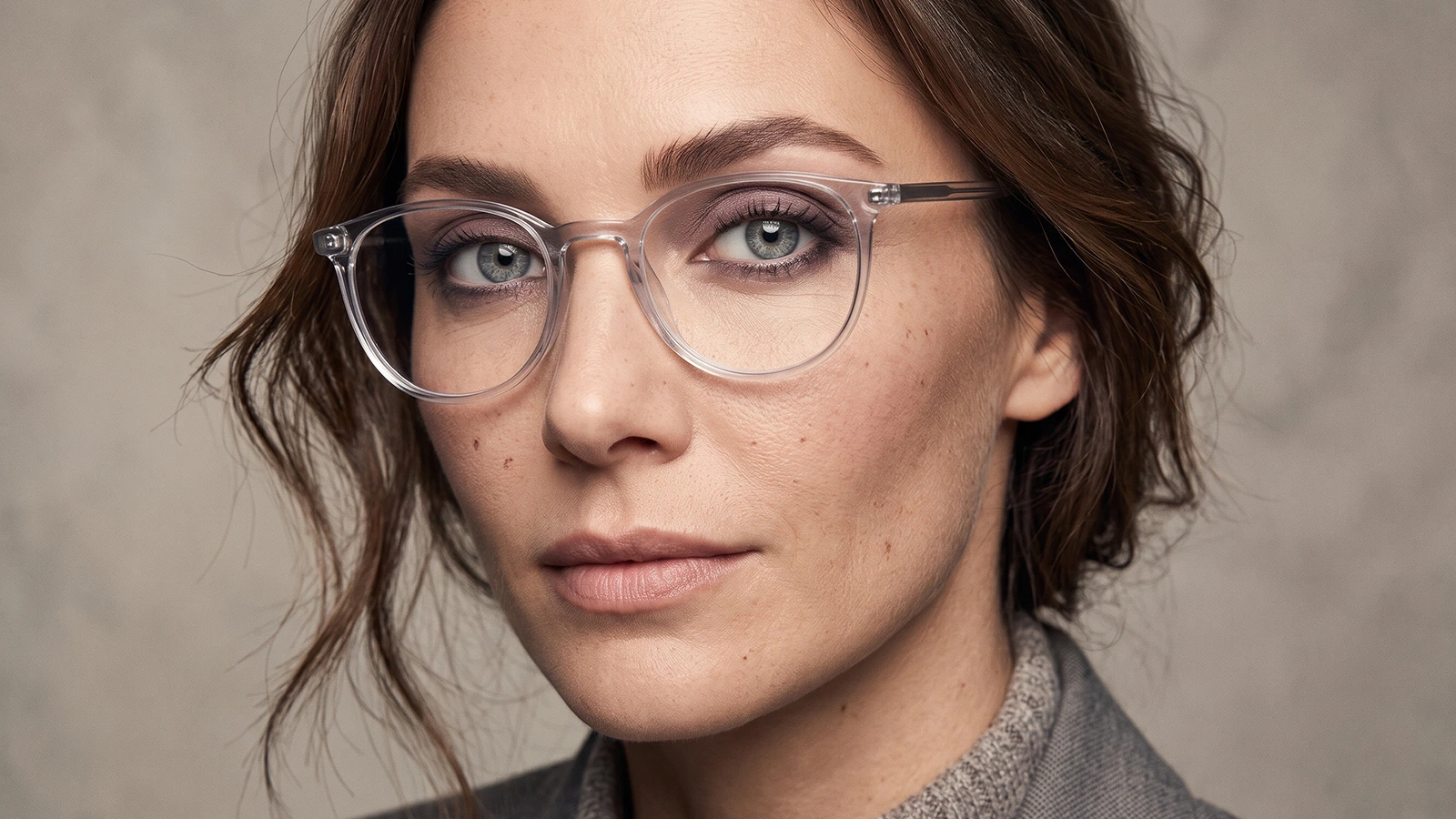
Grey eyes are versatile, so the right colours can either highlight their cool undertones or create a little contrast.
Makeup: Try bronze, taupe and warm brown for contrast, or plum and charcoal for a more dramatic look. Silver eyeshadow can complement cooler grey tones.
Hair colours: Ash blonde and cool brown create a coordinated look, while chestnut, auburn and copper offer warmer contrast.
Glasses: Silver and gunmetal frames complement grey eyes, while tortoiseshell adds warmth. Black frames create stronger contrast, and muted blue or green adds a subtle pop of colour.
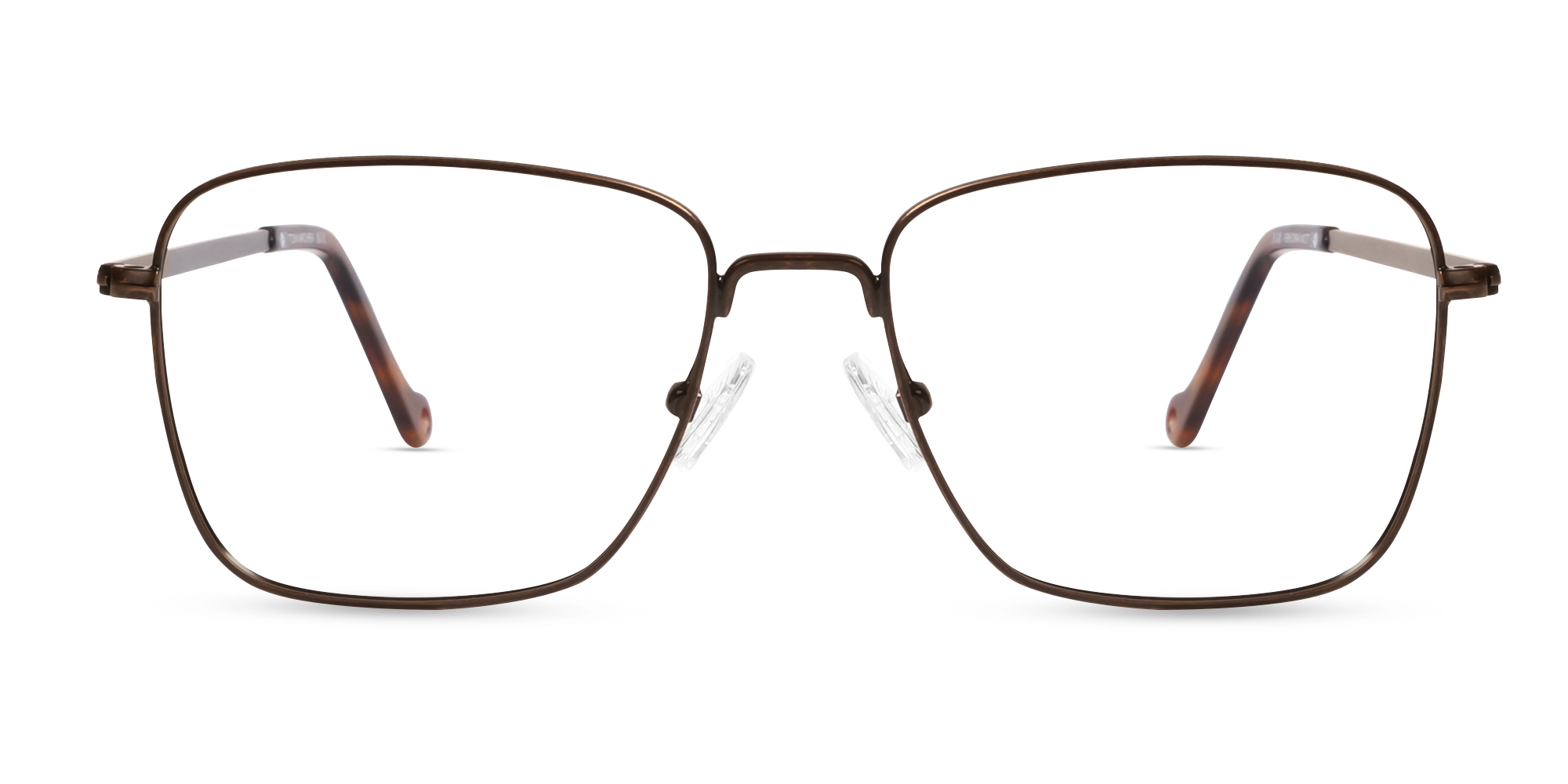


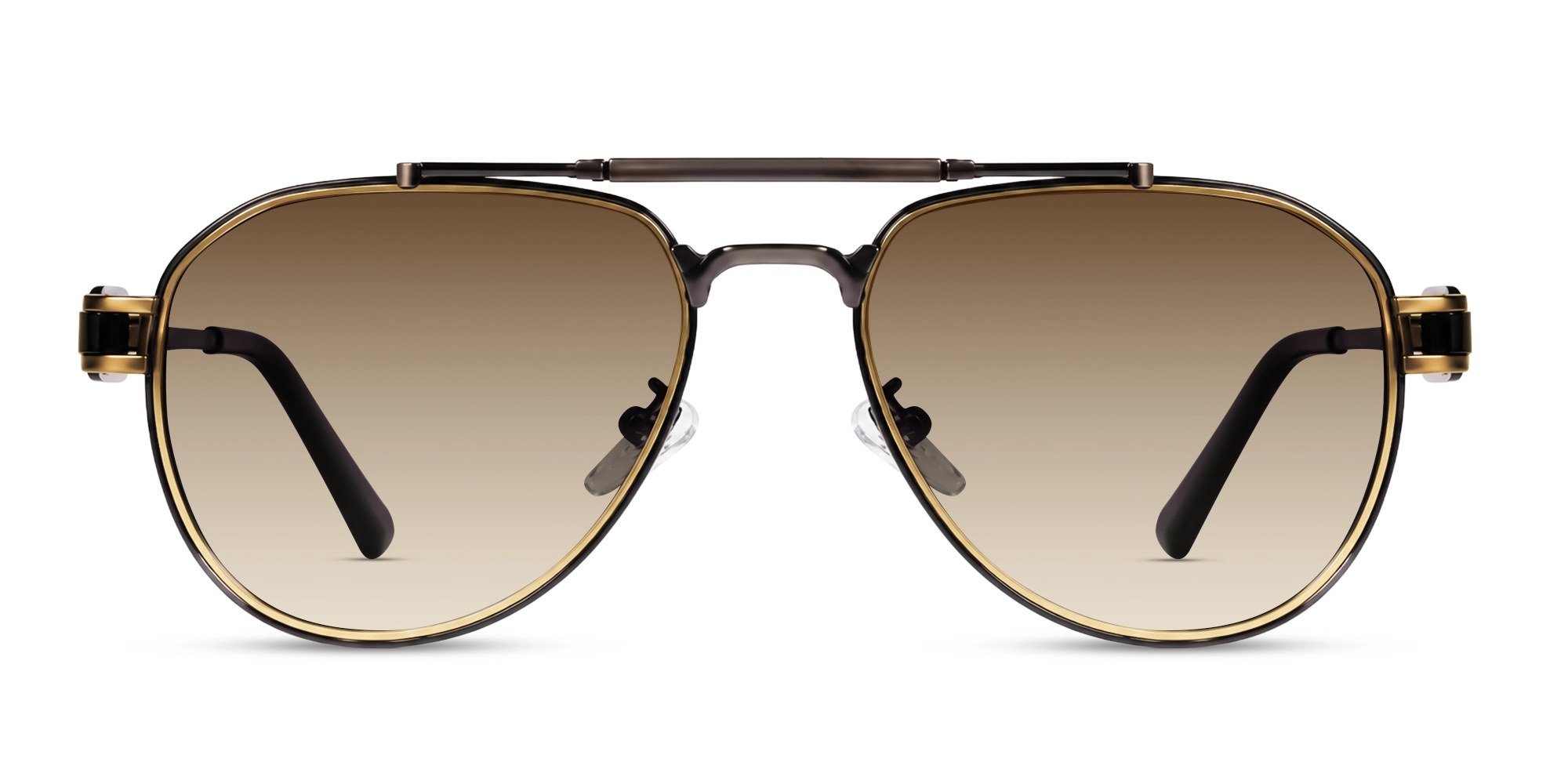
Sunglasses: Silver pilots complement the cool tones of grey eyes, while tortoiseshell cat-eye sunglasses add warmth. Black oversized frames create bold contrast, and blue-tinted lenses enhance a cool-toned look.


Wrapping It Up
Grey eyes are fascinating not just because they are uncommon, but because they are beautiful. These eyes can shift their appearance between silver, blue, and slate-like tones. And when it comes to styling, there's no single formula. Experiment with different frame colours and shapes. You can explore our eyewear range and find a pair that complements your style.
Caution: You may become style obsessed