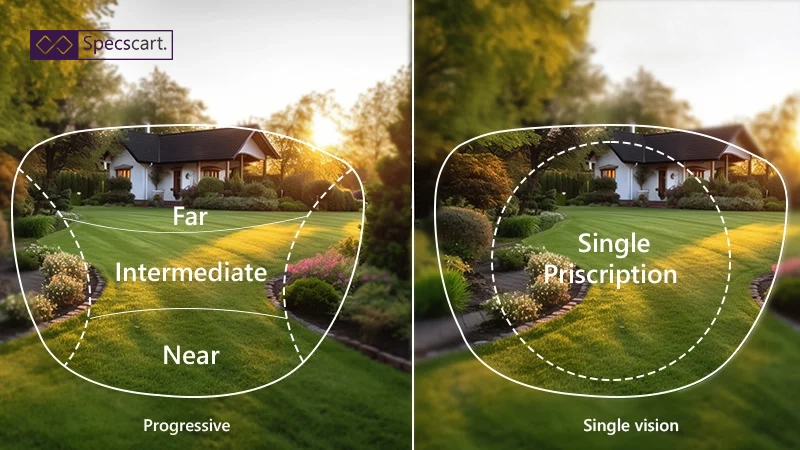




When we talk about menopause, the first things that usually come up are hot flashes, mood swings, or sleepless nights. But here’s something most people don’t realise, menopause can also change the way you see the world, quite literally.
The hormones have bigger impact on our lifestyle than we think. It's quite common for women above the age of 45 to experience symptoms like dry eyes and blurrier vision. The truth is, it’s not just in your head. Hormonal changes during menopause can genuinely affect your eyes and vision in more ways than one. Let’s look at how, why it happens, and what you can do to take care of your eyes during this natural transition.
How Menopause Affects Vision?
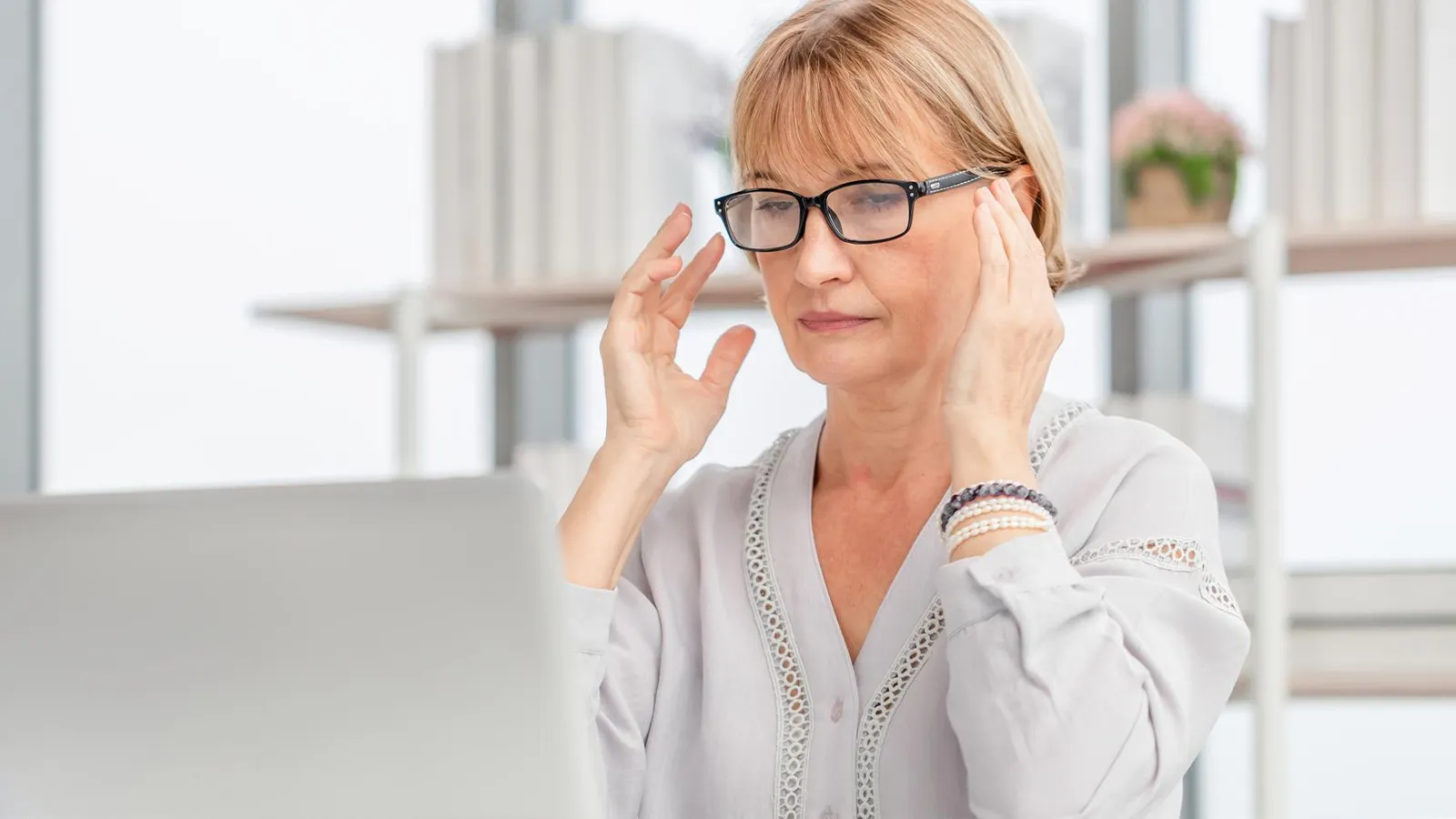
Menopause brings significant changes in estrogen and androgen levels. Surprisingly, these hormones have a direct impact on your eyes. The American Academy of Ophthalmology explains that hormone receptors exist throughout your eye including your cornea, retina, and even your tear glands.
When these hormones fluctuate or decline, they affect how your eyes produce tears and how stable those tears remain on your eye’s surface. The Vision Matters UK initiative also points out that this hormonal imbalance can alter the balance of oil and water in your tear film. It can lead to discomfort and vision fluctuations.
Common Vision Changes During Menopause
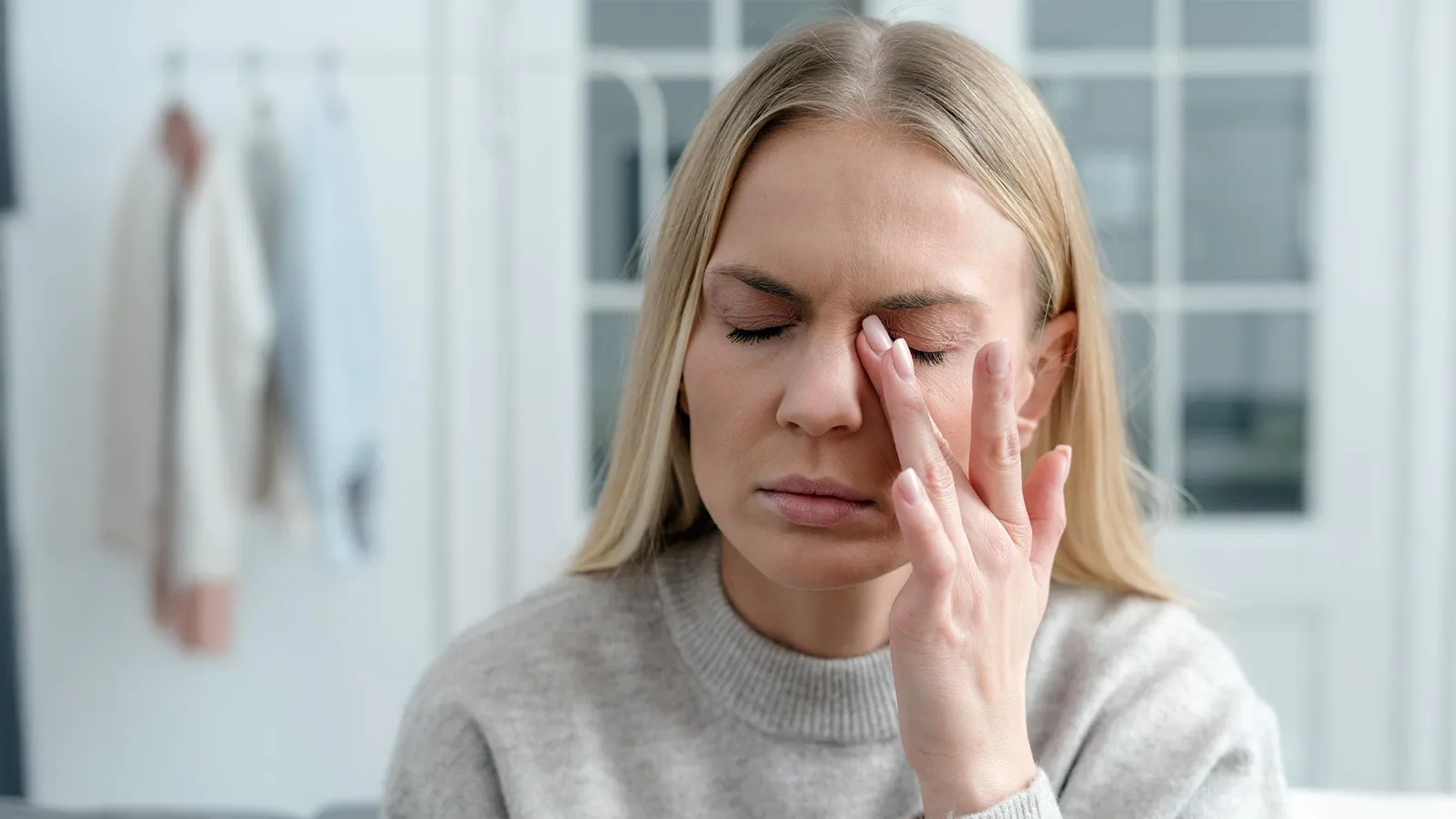
1. Dry eyes
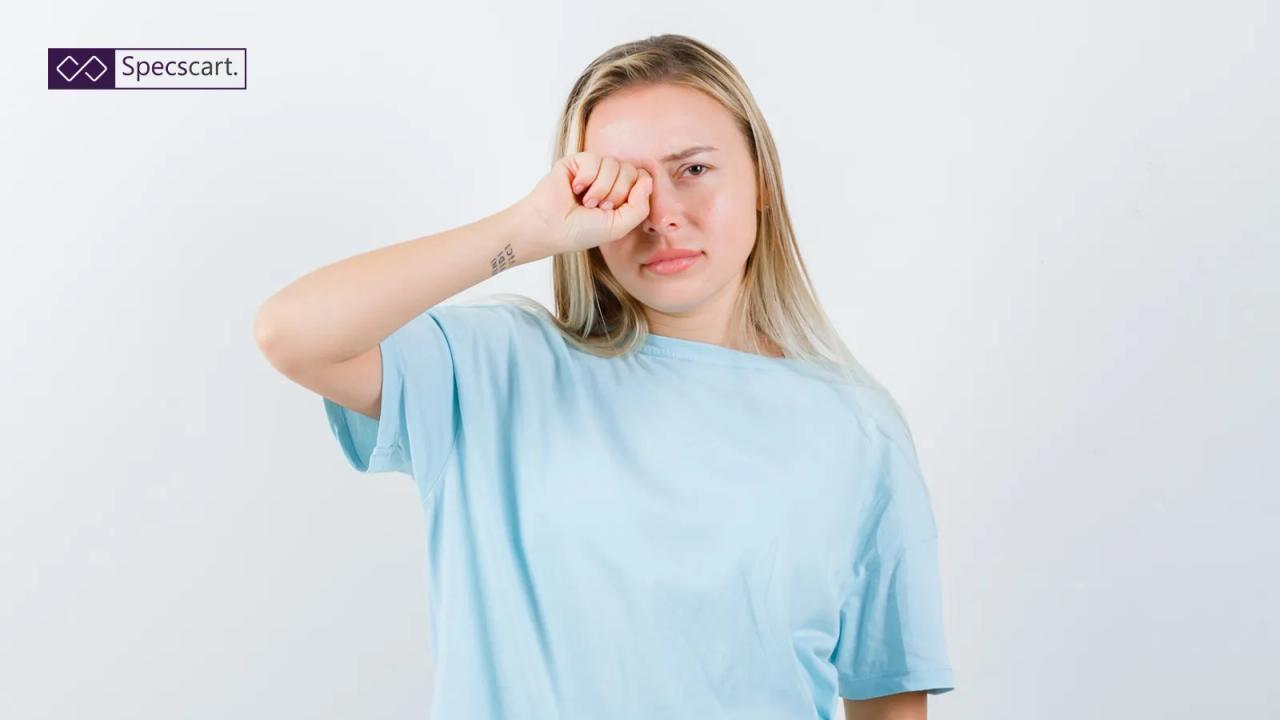
The most common symptoms of dry eyes include gritty, burning, scratchy-feeling or irritated eyes. Menopausal dry eye happens because of reduced tear production and less oil secretion from the meibomian glands, which normally prevent tears from evaporating too quickly.
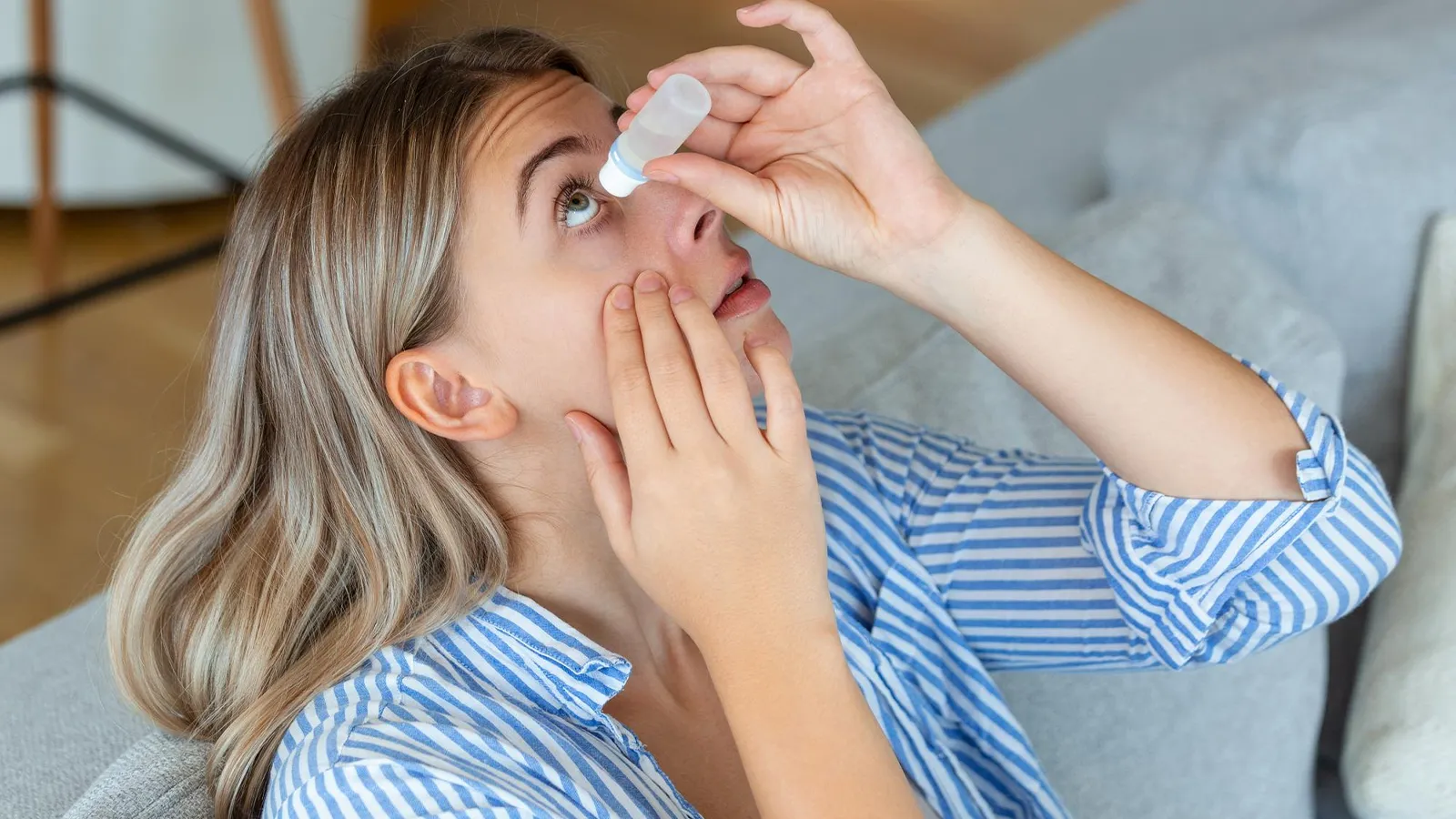
Contact lenses can become uncomfortable, and long screen hours can make symptoms worse. Lubricating drops (especially preservative-free ones) or warm compresses can bring relief, but if symptoms persist, it’s worth visiting your optician.
2. Blurry or fluctuating vision
Hormonal changes can temporarily alter your cornea’s shape and thickness, which may cause your prescription to fluctuate slightly. You might notice moments of sharp vision followed by mild blur, especially when reading or switching focus between distances.
The good news is that these changes are usually temporary. But they’re a good reminder of why regular eye tests are important during menopause. You can stay comfortable and see clearly through these shifts by updating.
3. Light sensitivity and eye fatigue
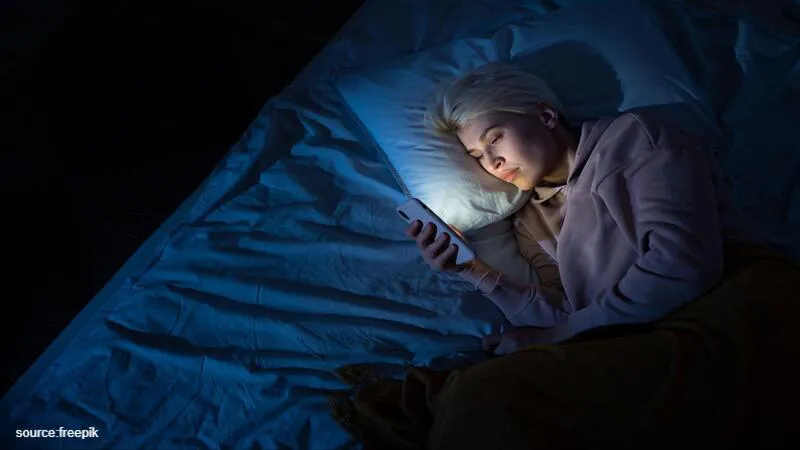
Reduced tear stability often leads to increased light sensitivity. You may find glare from screens, sunlight, or car headlights more irritating than before. If you pair that with hours spent in front of digital devices, and eye fatigue becomes almost inevitable.
You can take help of blue light filtering glasses as they can help by reducing glare and filtering high-energy blue light emitted by digital screens. As a result, they ease digital eye strain and help your eyes relax. If you haven’t tried one yet, it’s worth exploring a pair. You’d be surprised how much difference it can make in your everyday comfort.
4. A slight increase in eye health risks
Studies have suggested that menopause might play a role in increasing the risk of certain age-related eye conditions like glaucoma or cataracts. A research paper published in the National Institutes of Health (NIH) journal found that lower estrogen levels may affect fluid regulation in the eye, potentially increasing intraocular pressure which is a known risk factor for glaucoma.
While that doesn’t mean every woman will face these issues, it’s an important reason to schedule regular check-ups. Early detection is the best way to keep your vision healthy and strong.
Practical Eye Care Tips for Women After Menopause
Your eyes need a bit of extra care during this phase but caring for them doesn’t have to be complicated. Here are some small changes that can make a big difference:
1. Don’t skip your eye tests
Make it a habit to get your eyes tested once every two years. Apart from checking your prescription, your optician can monitor eye pressure, tear quality, and lens clarity. And if you live in Manchester or nearby, you can book a free eye test at your nearest Specscart store. We offer a free comprehensive eye test for everyone with no strings attached.
2. Keep your eyes hydrated
Use preservative-free artificial tears to keep your eyes comfortable. You can also try warm compresses and gentle eyelid cleaning to help your oil glands function better.
3. Eat and hydrate well
Add Omega-3 fatty acids (found in salmon, walnuts, and flaxseeds) to your diet. They help improve tear quality. You should also add antioxidant-rich foods like carrots, spinach, and citrus fruits as they support long-term eye health. You can check our blog to learn more about healthy food options for your eyes.
4. Protect from blue light and UV
Use anti-glare and blue light lenses if you spend hours on digital devices. While going out in the sun, don’t forget your UV-protected sunglasses. The estrogen decline can make your eyes more sensitive to sunlight, so this small step helps a lot outdoors. All sunglasses at Specscart offer 100% protection against harmful UVA and UVB rays.
5. Take screen breaks
Follow the 20-20-20 rule. It simply means every 20 minutes, look 20 feet away for 20 seconds. Your eyes deserve a breather, especially when hormonal changes already make them more prone to dryness.
When to See an Optician or Eye Doctor
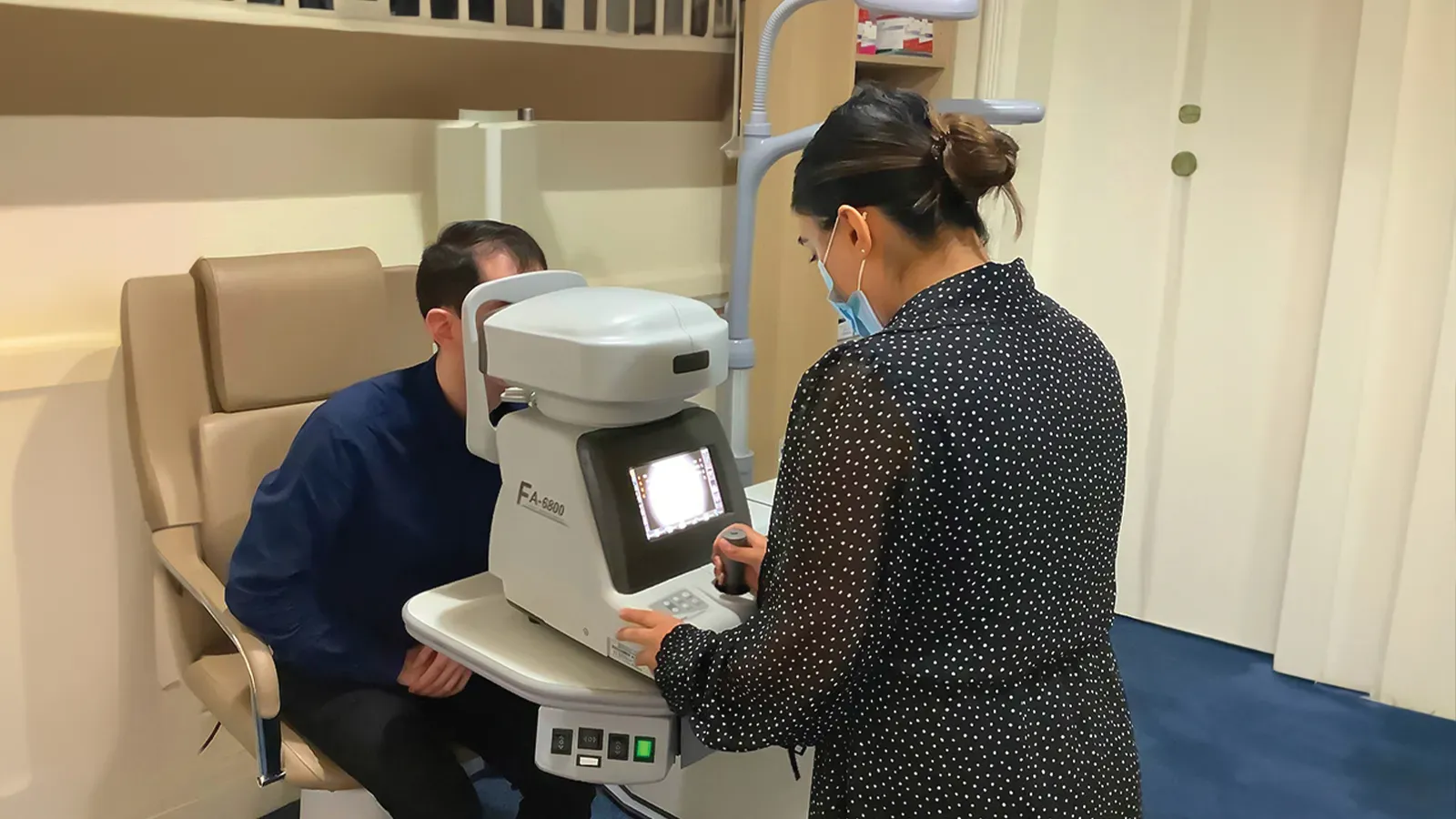
If your eyes feel persistently dry, painful, or your vision suddenly changes, it’s best not to wait. Sometimes, what seems like “just dryness” could indicate something more and early intervention can prevent discomfort from escalating.
Your optician can help rule out or manage conditions like dry eye syndrome, meibomian gland dysfunction, or pressure-related issues, keeping your vision stable through menopause and beyond.
Seeing Change Differently
Menopause marks a new chapter not just in life but in how you experience the world. And your eyes, in many ways, are part of that story. However, with some small lifestyle changes, you can comfortably take good care of your eyes.
At Specscart, we often say that glasses are the most intimate fashion accessory as it sits right on your face. Whether you’re navigating hormonal shifts or simply looking for frames that match your new energy, your eyewear should make you feel confident, comfortable, and seen. You can explore our women’s glasses collection to find the pair that matches your individual style.
Key Takeaway
Hormonal changes during menopause can affect your eyes, causing symptoms like dryness and light sensitivity or even subtle shifts in your vision. But with regular check-ups, healthy habits, and the right eyewear, you can take care of your eye health at every phase of your life.
Caution: You may become style obsessed