

Eyeglasses Trends 2027: Shapes, Colours & What's Changing

Content Manager
A customer messaged us last month asking if we had anything from 2027 yet. Fair question, I suppose, though I didn't have much of an answer at the time because the people running Europe's biggest eyewear trade shows hadn't quite settled on one either.
Now that this year's shows have wrapped and the fashion week photos have settled, a shape is starting to form, and it's a slightly odd one. Buried in an eyewear trade report was a mention of frames built to hide artificial intelligence inside them so well that from across the room you'd have no idea. Not smart glasses that look like smart glasses. Glasses that just look like glasses. Meanwhile, half the same industry is busy digging up frame shapes from the 1970s and calling it forward-thinking. Both things are apparently true for 2027 at once.
Let’s take a look at what actually means for anyone shopping for glasses this year, and what you can safely ignore.
The short version: 2027 splits fairly cleanly into two different camps. Frames that go softer and more considered in shape and colour, and frames experimenting with technology so subtle you're not meant to notice it's there. Materials keep getting better without anyone shouting about it, and more people than ever are wearing glasses simply because they like the look, prescription or not. There's more to it than that one-liner, so read on.
How We Actually Picked These Trends
Let’s start with a quick word on how we compiled the list because "trends" articles have a bad habit of just repeating whatever the last "trends" article said.
We went through the actual reporting and press material coming out of this year's biggest eyewear trade events, including MIDO in Milan, SILMO in Paris and Istanbul, and ANFAO's own industry briefings. We also went through spring-summer 2027 fashion week coverage and reporting from the UK's own optical trade press. Something only made this list if it showed up independently across more than one of those, not because a single brand was pushing it hard. We also deliberately left out anything that was really a specific product launch dressed up as a "trend," since that's a different article entirely, and one we're not writing.
Shapes and Silhouettes Worth Knowing
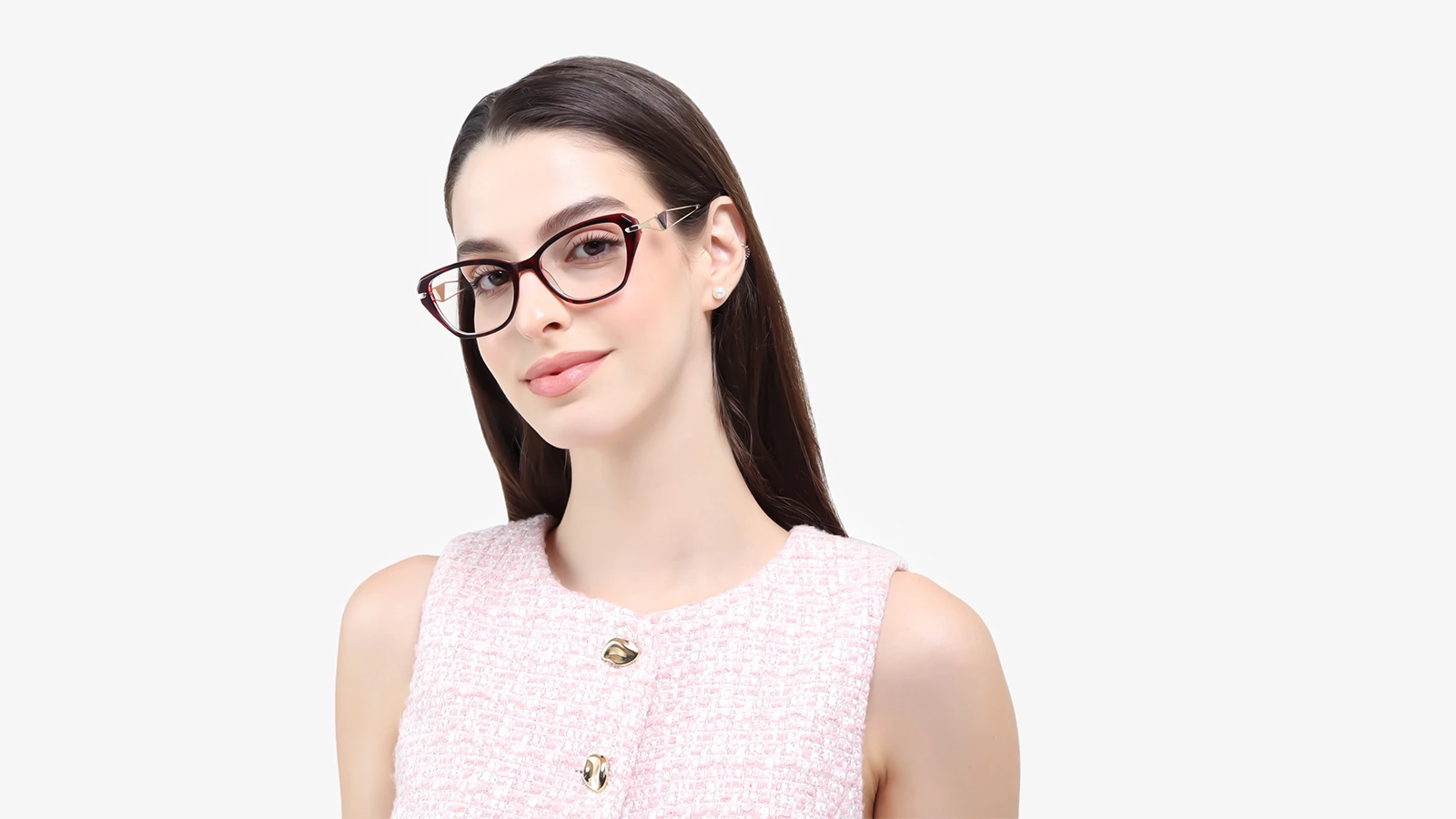
I'll start with shapes because that's usually where these articles start losing people. There are only so many ways to describe a rectangle before it stops meaning anything, so I'll try to keep this useful rather than just descriptive.
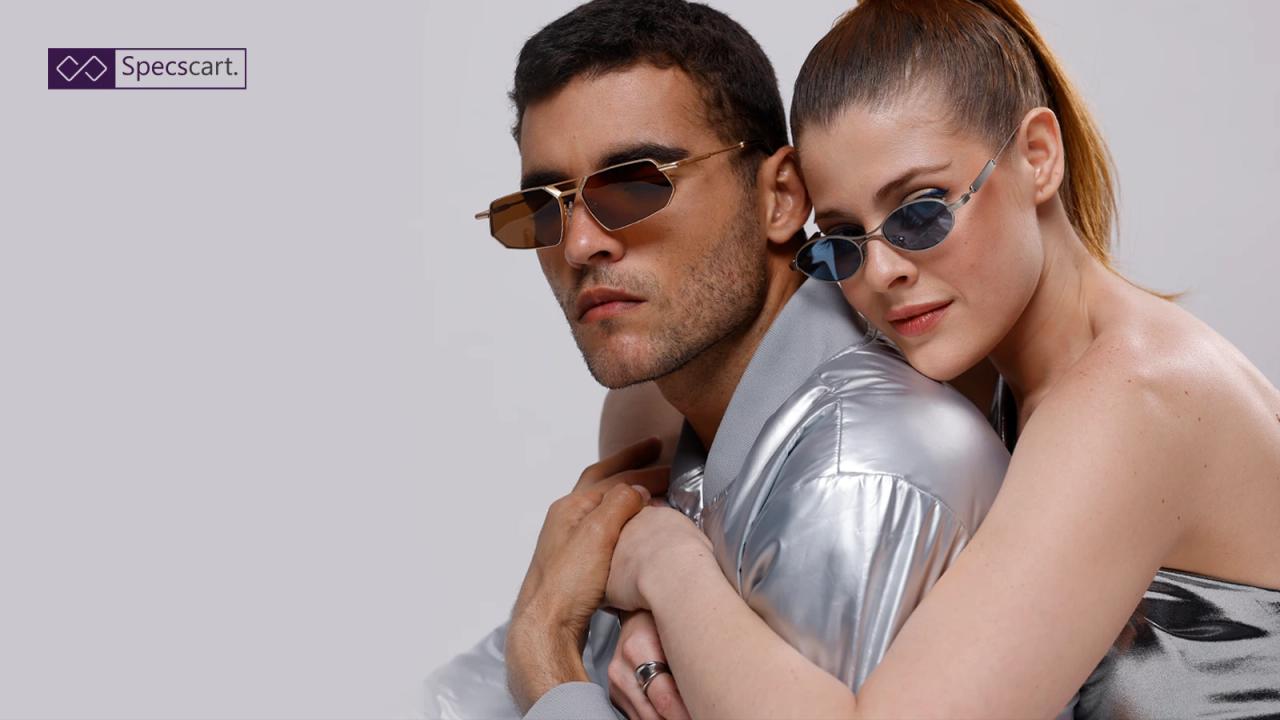
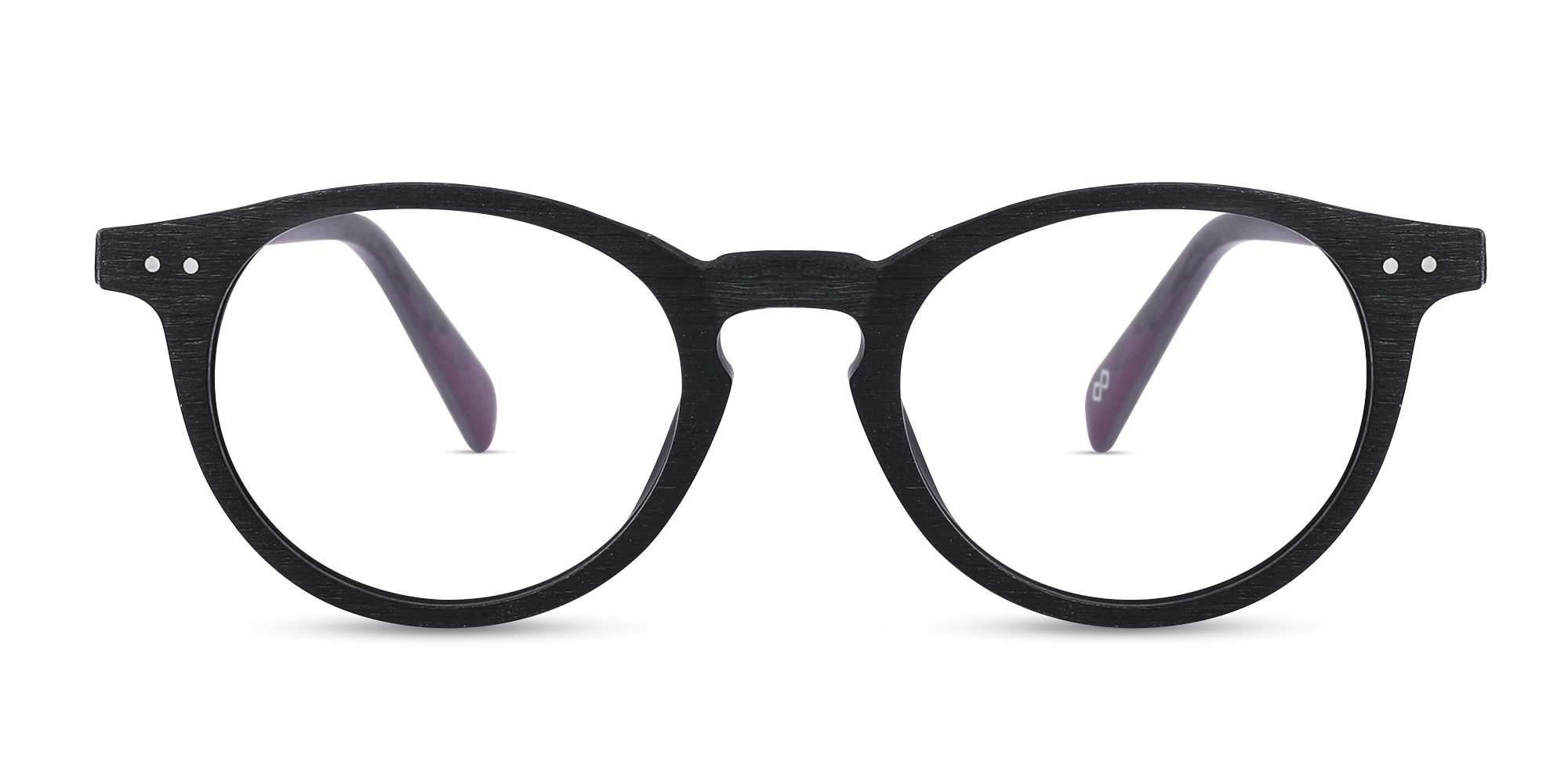
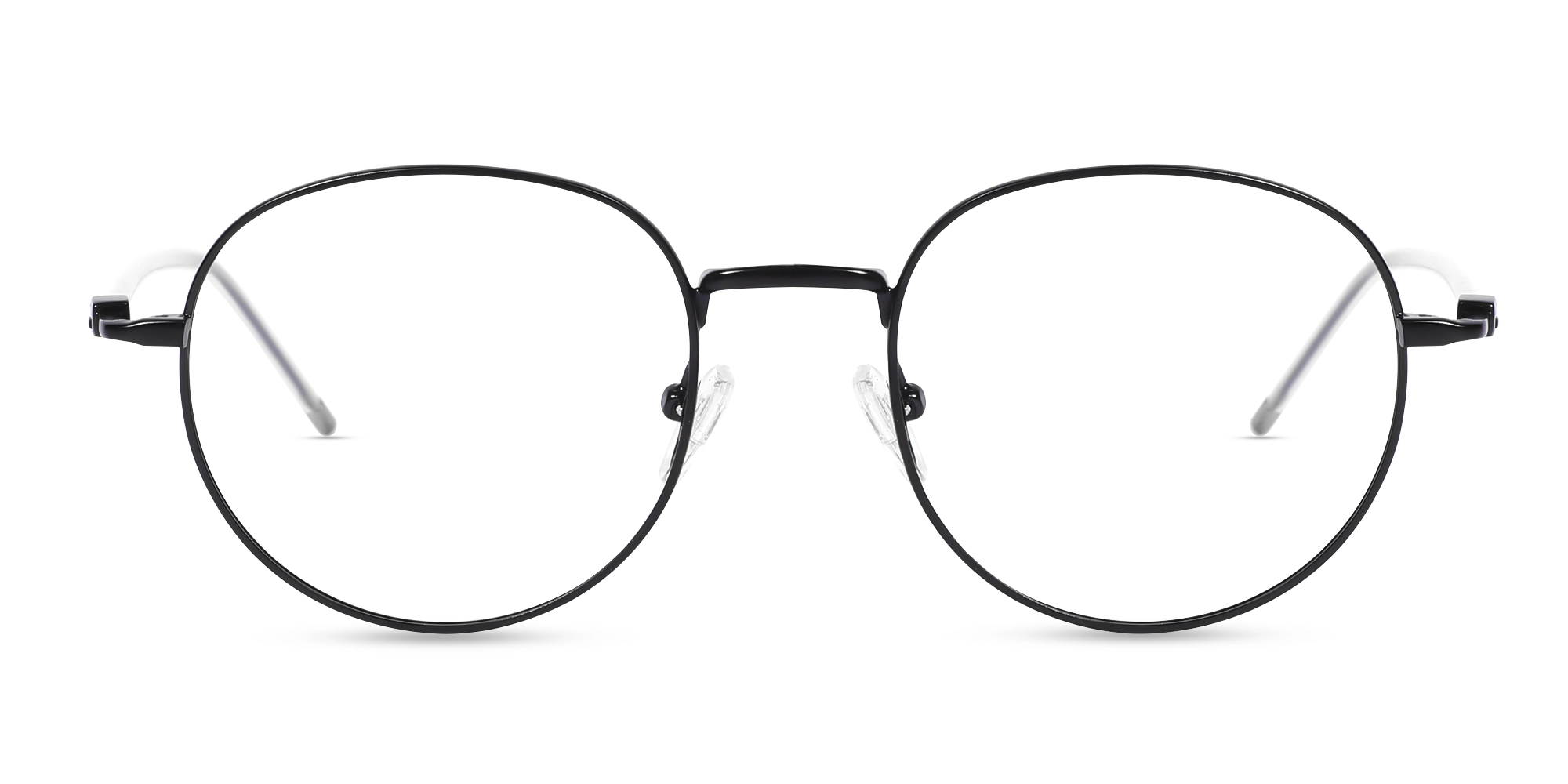
The oval glasses shape is reaching its peak popularity. However, what’s interesting is that it's splitting into two versions that don't behave much like the same trend at all. There's a chunky and sturdy oval that catches attention. At the same time, a slim and almost restrained oval barely announces itself. Calling both "the oval trend" feels a bit like putting a Great Dane and a Chihuahua in the same category, but that's fashion for you.






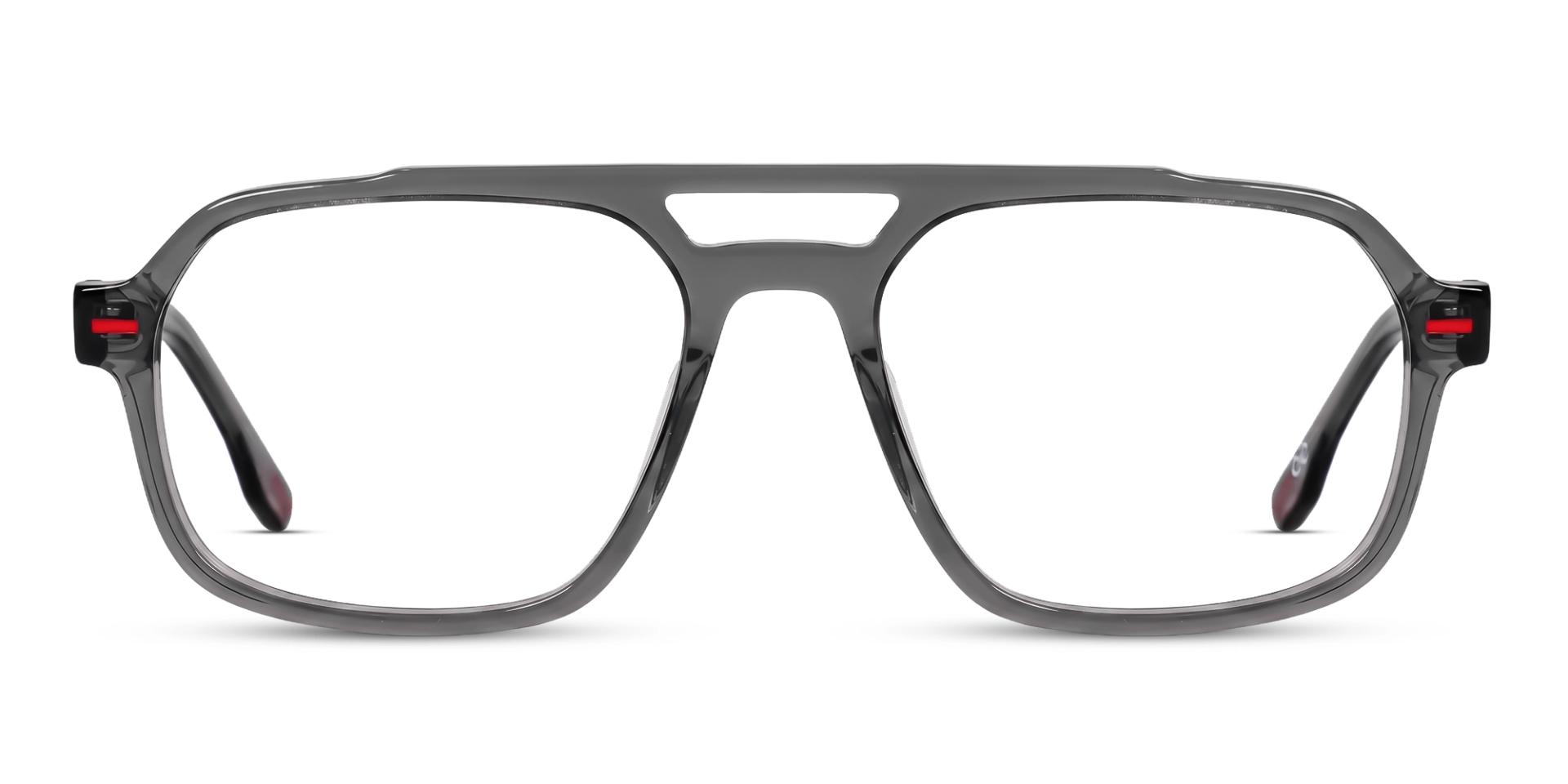
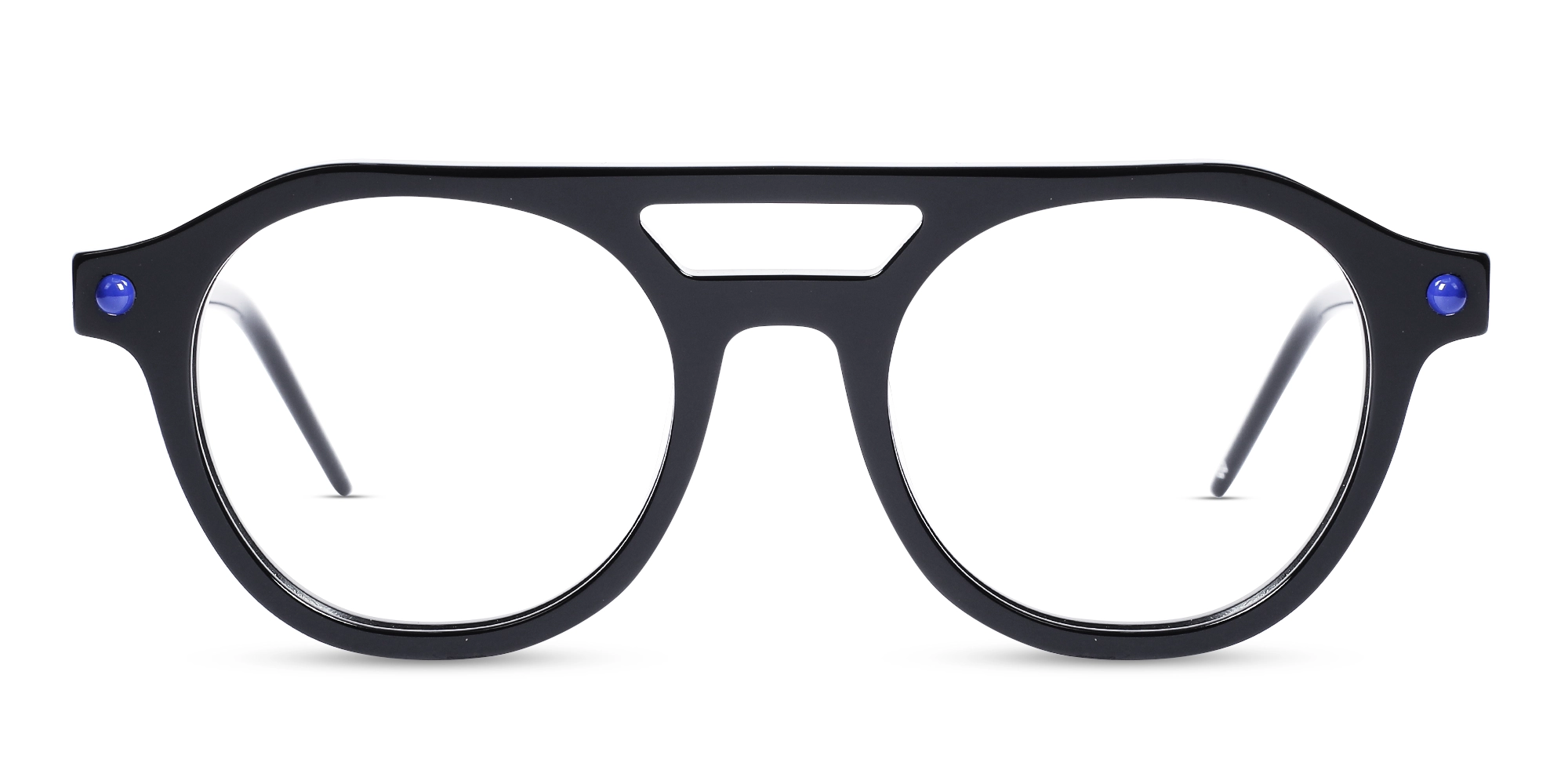
Pilot glasses aren't going anywhere. They never really do. But they're becoming softer, with warmer and more translucent colourways replacing the old black-and-gold combination. There is also a flatter-bottomed variation, sometimes called the D-shape, turning up more often. It brings the same silhouette but with a gentler expression.




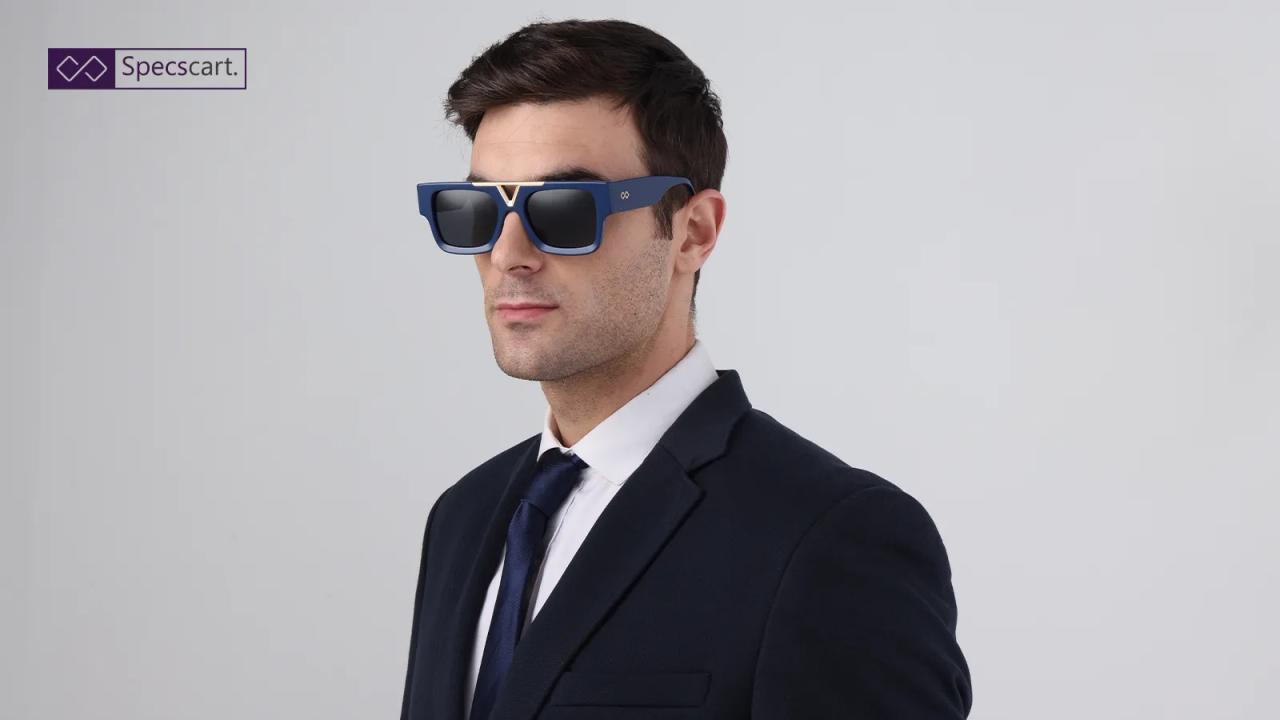
Shield frames are the boldest addition for 2027. The wider single-piece lenses wrap the face in one sweep. They sit somewhere between sporty and slightly futuristic, and they're not for everyone. However, if you've been after something more dramatic than your usual pair, this is where to look.
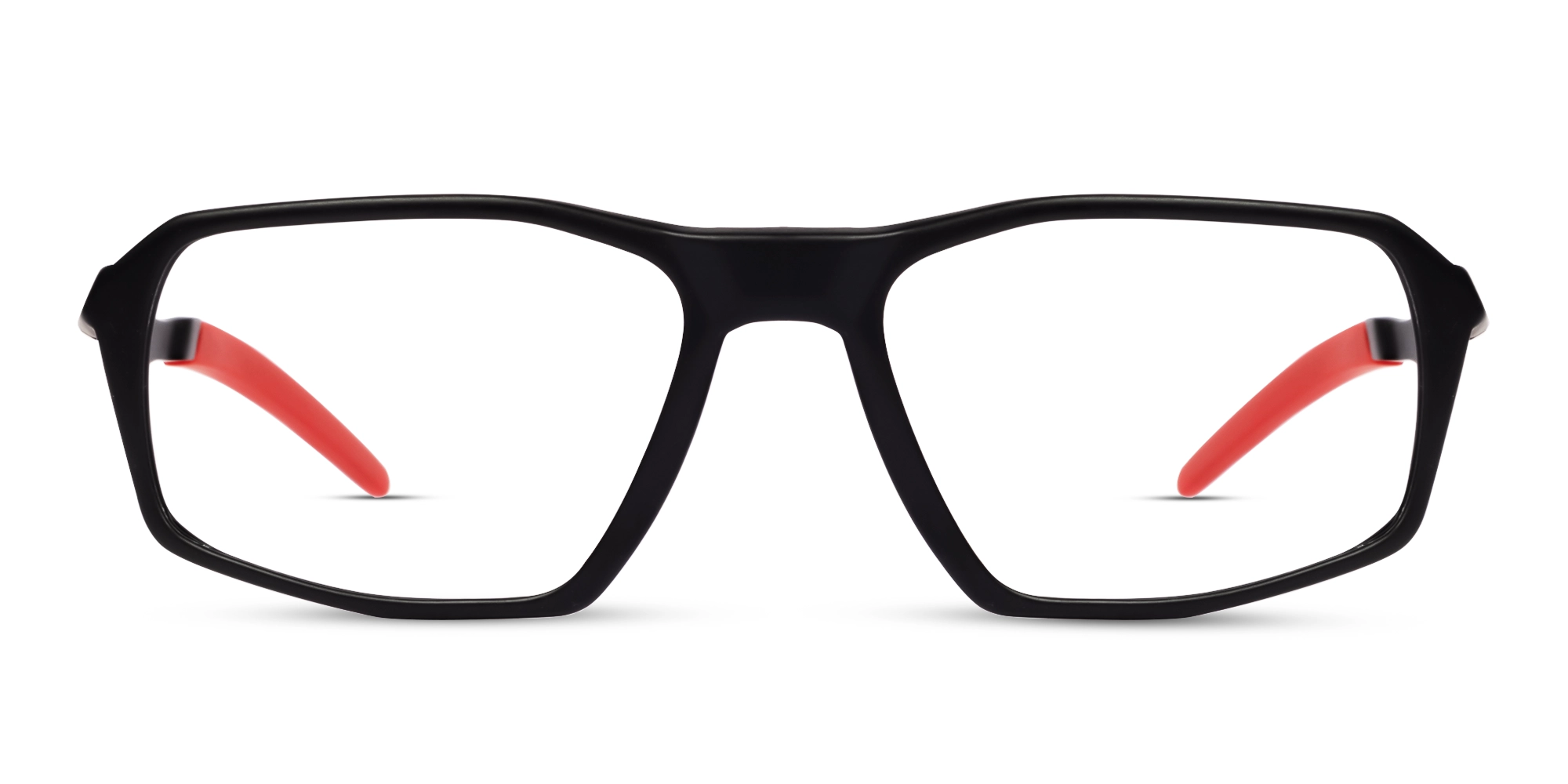


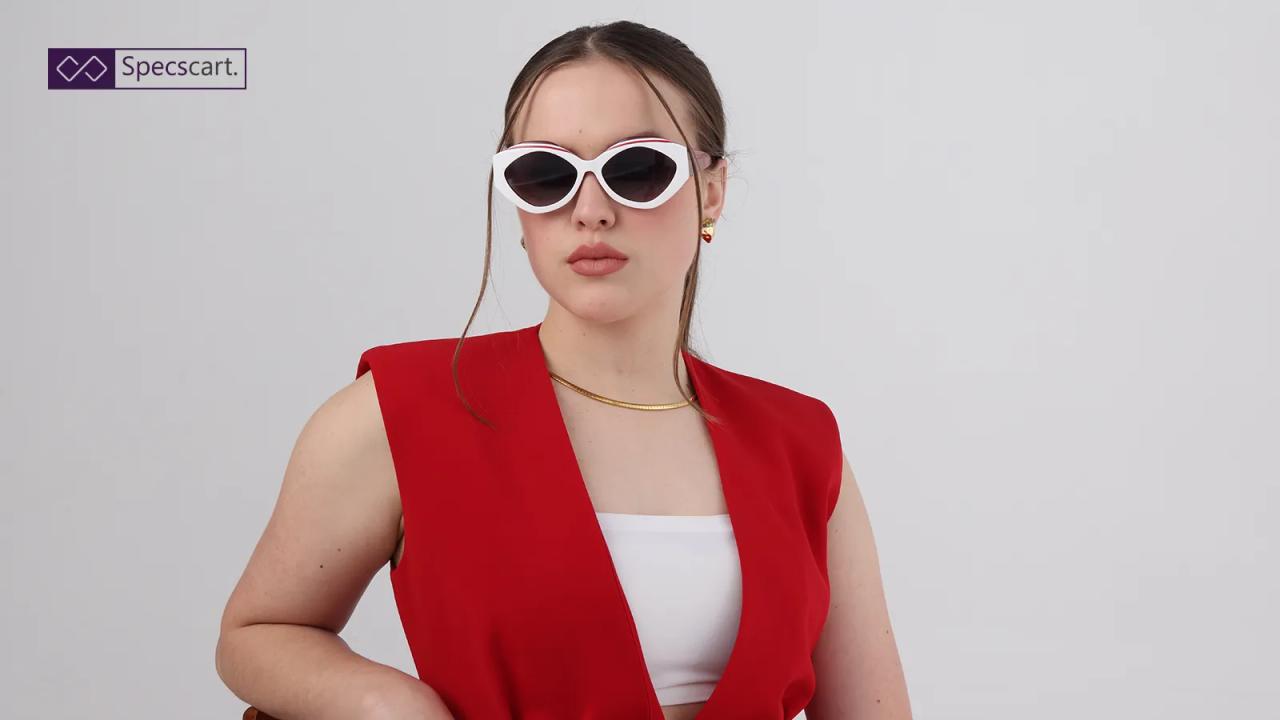
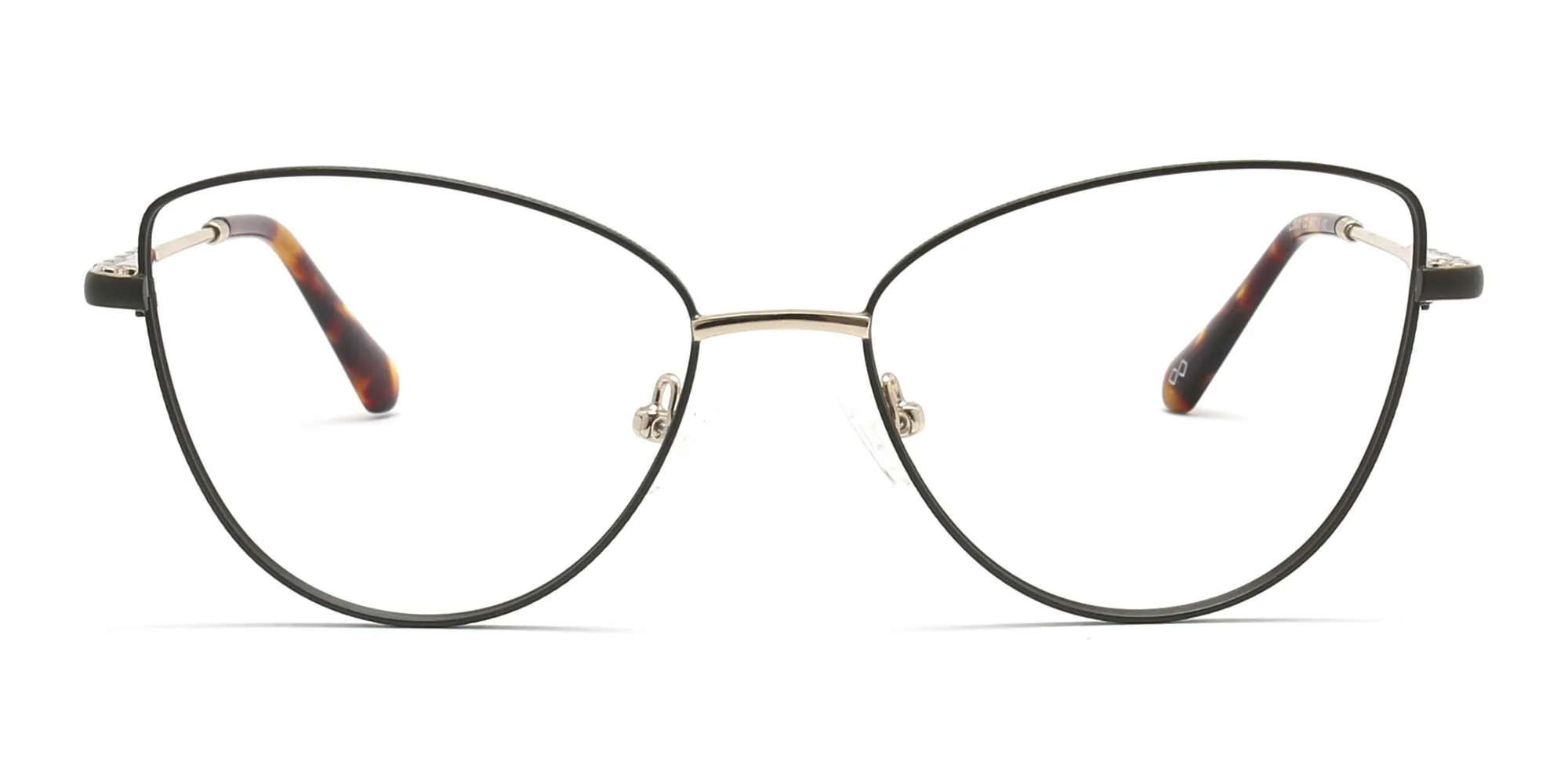
Cat-eye glasses are a shape no trends article ever seems to manage without. One thing in modern cat-eye frames is that they have rounded off at the corners. The sharp 1950s wing is giving way to something gentler and easier to wear day to day. Thin metal frames are also making a proper comeback after a run of years where chunky acetate had the room to itself. If you've missed the feeling of glasses that barely register on your face, 2027 is your year.
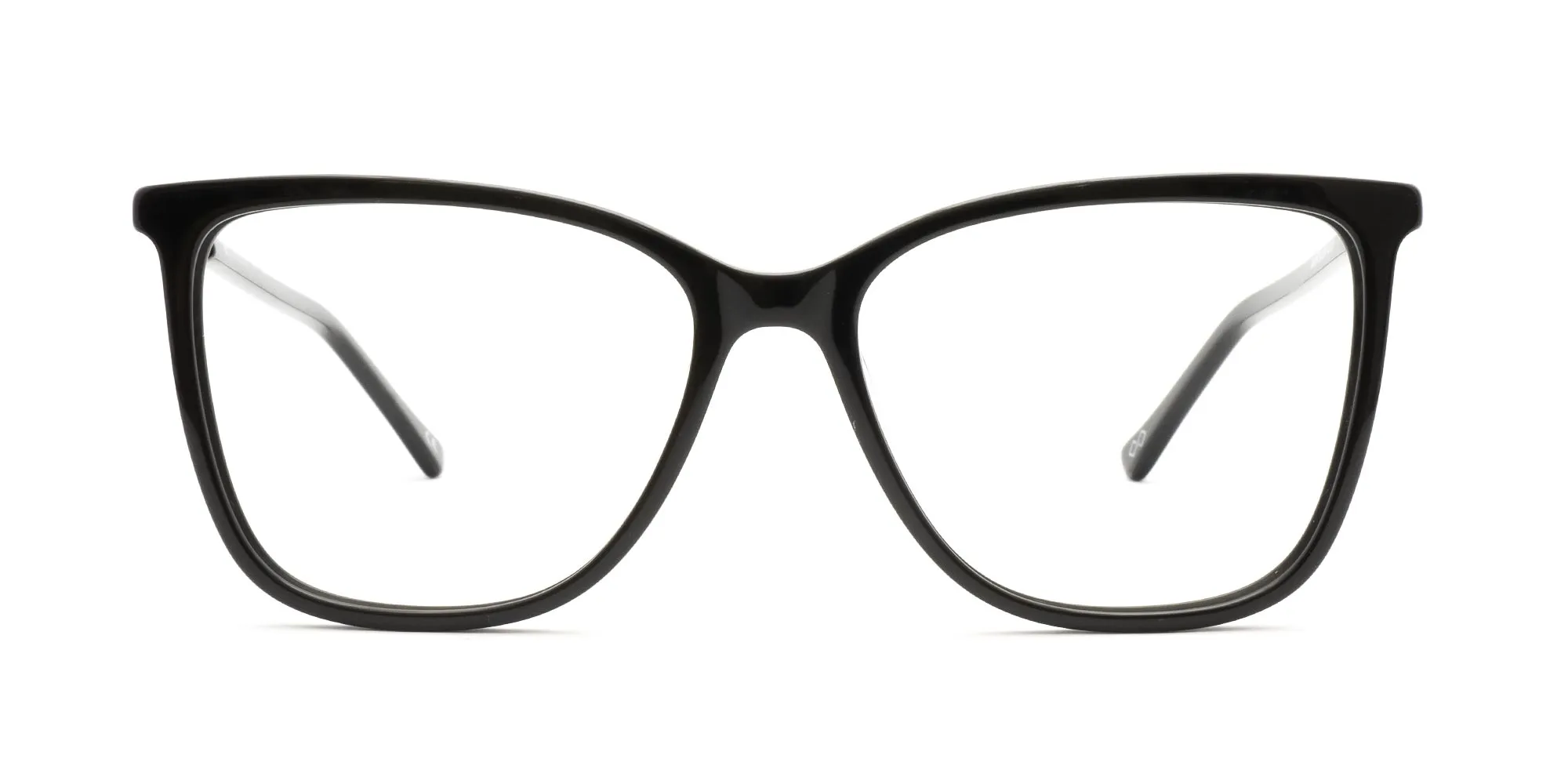


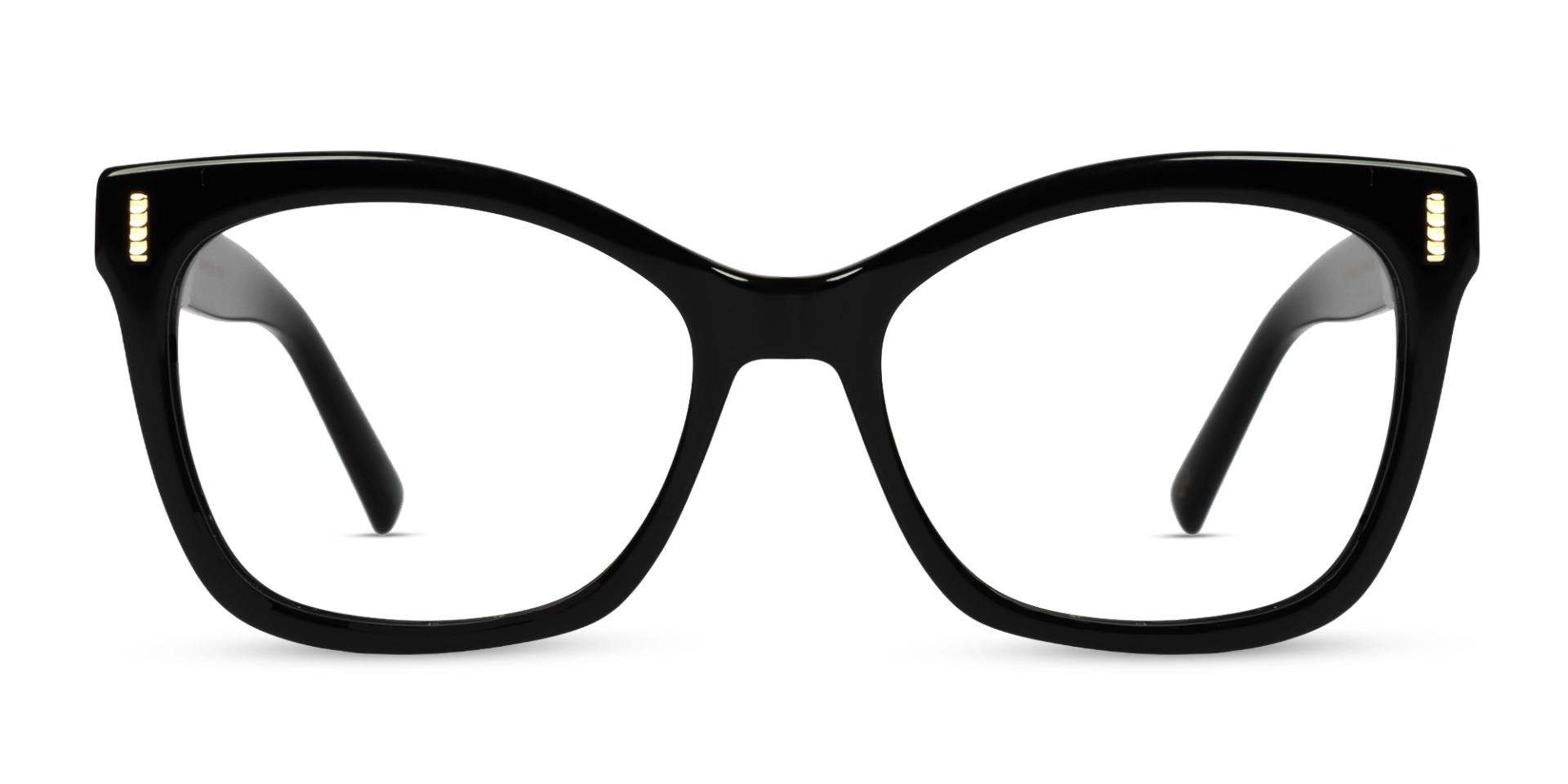




There's a quieter thread running underneath all this too. Heritage shapes like panto, navigator, browline, and pilot keep resurfacing every year. MIDO's own coverage of its 2026 edition specifically named these as the backbone of that year's collections. It doesn’t happen because anyone's short on ideas. It’s because some silhouettes have become so timeless that neither makers nor users can get over them.
The Trending Eyeglasses Colour & Finish In 2027
If 2026 was about paradoxes, bold against minimal, this year's colour story is where that tension actually plays out.
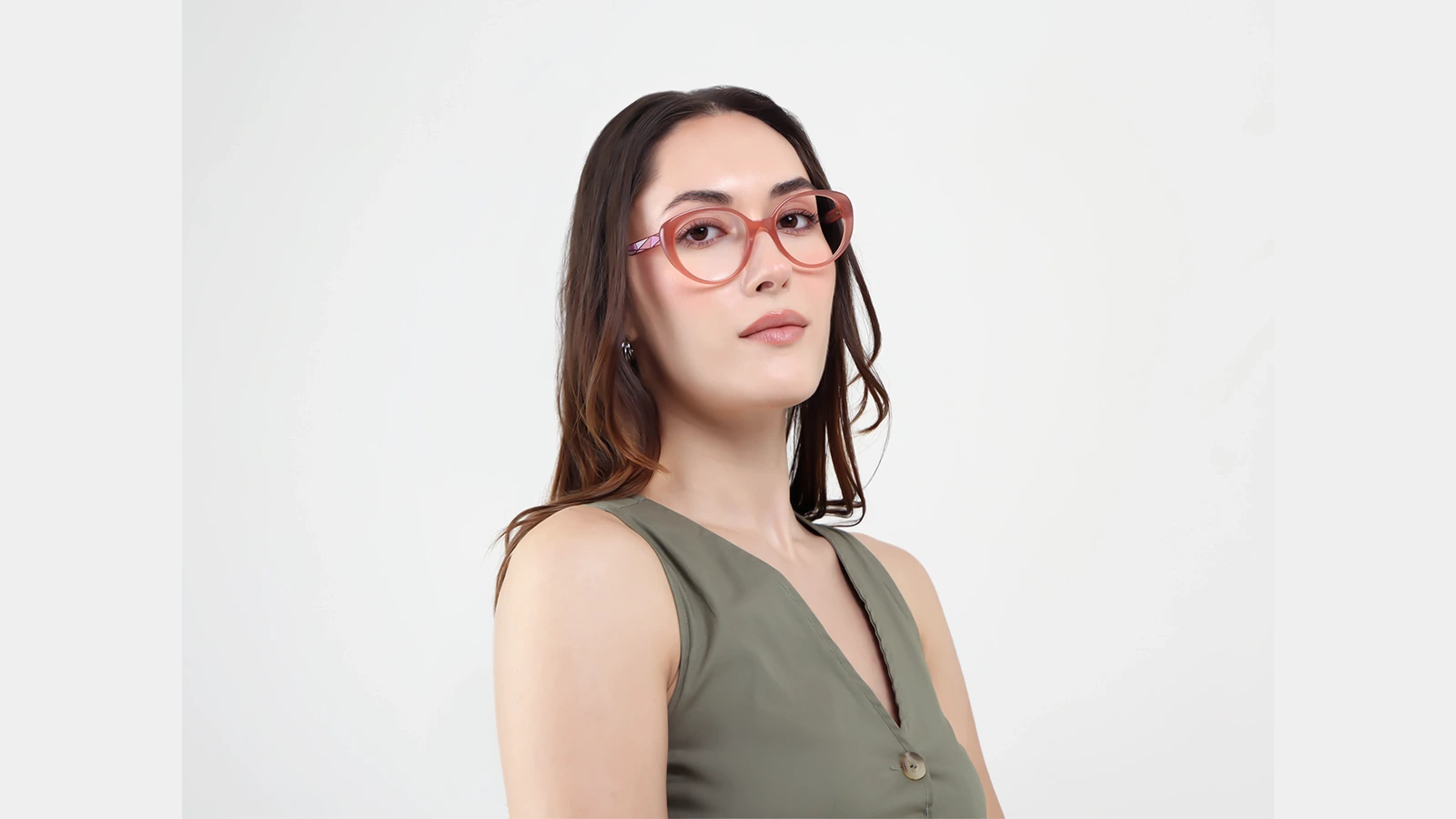
Colour forecasting for spring-summer 2027 points to four fairly distinct directions. You can find nature-based greens running from olive to emerald, blue hues stretching from steel blue to soft pastel, punchy pinks that lean playful rather than pastel, and warm earth tones like terracotta, burnt orange, and brown that feel outdoorsy and unhurried. None of these is especially loud on their own. They're colours you could wear on an ordinary Tuesday.
There's also a wider pull toward earthier neutrals generally, like sand, clay, sienna, deep navy, or something close to dark chocolate. It's a small but real shift away from the idea that a "serious" pair of glasses has to be black.
Tortoiseshell and mixed metal finishes are both sticking around, largely because they're versatile enough to sit across almost any shape without fighting it. And translucency, crystal-style finishes in peach, soft yellow or smoke, keeps growing, giving people a way to wear a bolder shape without it feeling heavy on the face.
Eyeglasses Materials: What the Industry Is Actually Saying
Normally this is the bit where I'd tell you sustainable materials are trending, list a few buzzwords, and move on. This time I want to show you where that claim actually comes from, because the people running the eyewear trade have been saying it rather plainly themselves.
Bio-acetate, recycled metals and lightweight titanium remain the material story of the year, and that's not just retailers repeating each other. At ANFAO's General Meeting this year, the Italian trade body that represents a large share of the eyewear the UK buys without necessarily knowing it, Vice President Davide Degl'Incerti Tocci talked about why Italian brands keep showing up at international events despite a genuinely difficult trading climate. The goal, he said, is to "tell our story, our know-how and our ability to innovate," qualities he described as what keeps the industry "competitive and attractive despite the many challenges we face."
President Lorraine Berton, speaking at the same meeting, put it slightly differently. She said an association like ANFAO exists "not simply to represent companies, but to help them build the future," and that recognising "the value of people and talent" was really where everything else starts.
It comes from the leadership of an industry association telling its own members where things are headed. And it's worth remembering that a lot of what lands on UK faces is quietly shaped by exactly this kind of decision-making abroad in this modern connected global supply chain.
Frames That Actually Change Colour
I'll admit this one isn't something every trade show is shouting about yet. Still, it's odd enough, and useful enough, that it deserves a mention before someone else writes it up first.
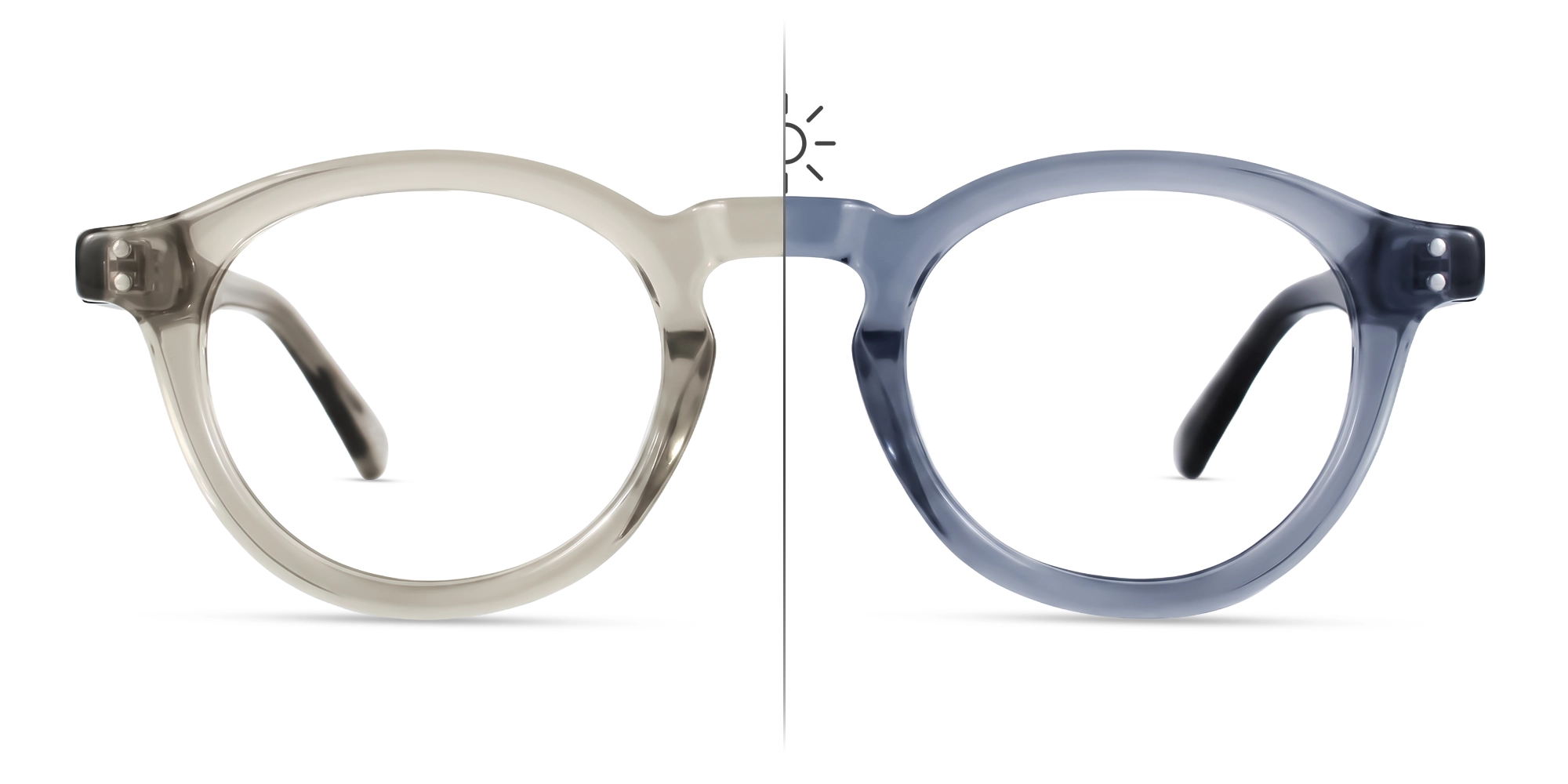
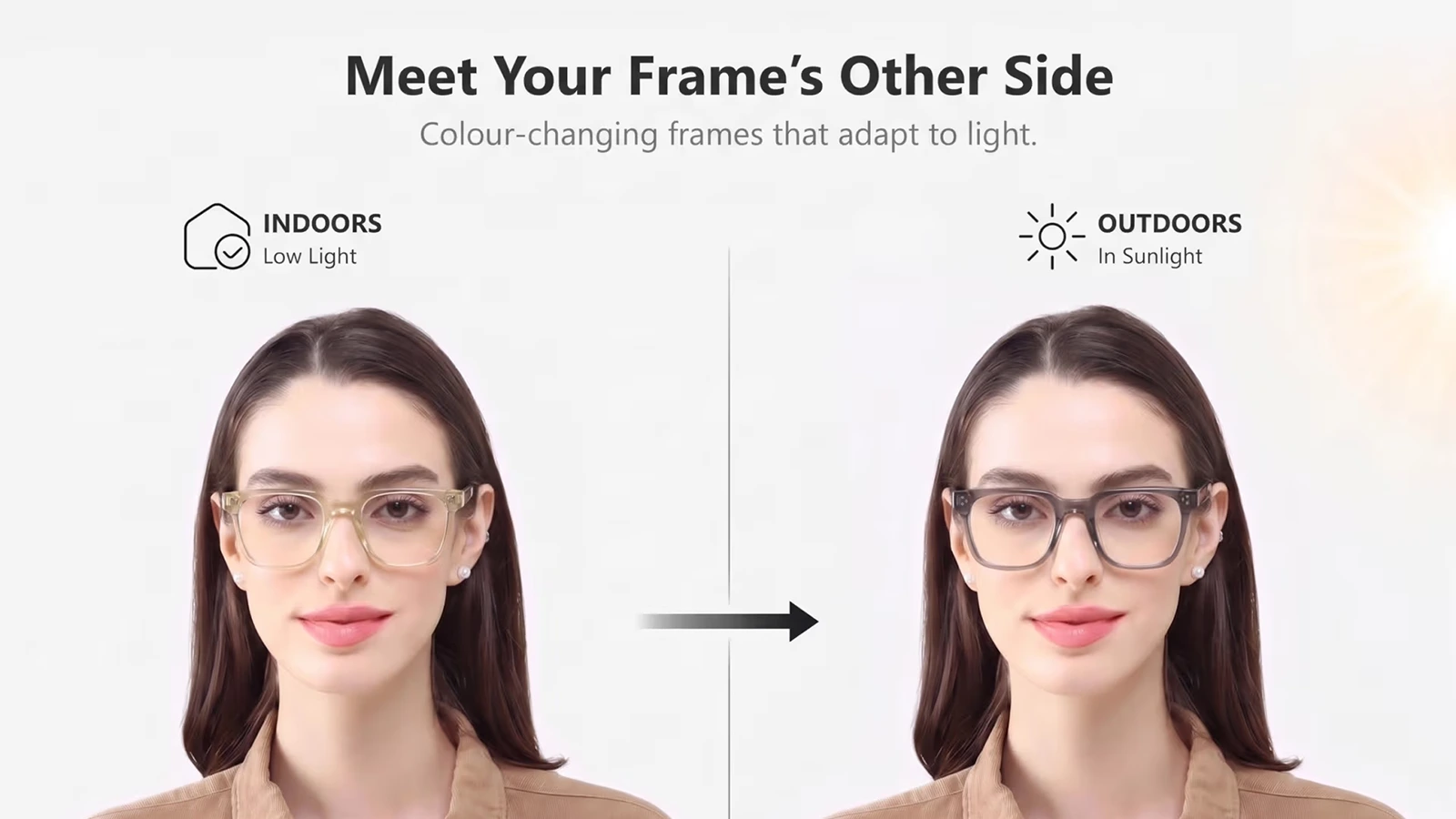
Colour-changing frame material does exactly what it sounds like. It's genuinely the frame changing the colour based on lighting conditions, not a tinted lens or a coating. Indoors, or under artificial light, the frame sits in a soft and translucent shade that looks understated with more or less anything. Step outside, and UV light gets to work on the material itself. Within about half a minute, the frame shifts into a fuller, richer colour, then fades back to its original shade over a minute or two once you're back indoors. You don’t need to switch anything or remember to do anything. The frames just read the light and get on with it.
It's also worth knowing this is a separate thing entirely from photochromic lenses like Transitions®, which darken the lens itself rather than the frame. You can actually run both at once if you want the full effect, frame and lens both responding to sunlight together, though for most people picking one is plenty. One thing it won't do is react much through a car windscreen, since glass filters out most of the UV light that triggers the change, so don't expect the full effect on the motorway.
It fits neatly into the same "one pair, does more" thinking as the everyday-versatility trend above, minus needing to explain to anyone why your glasses look slightly different than they did an hour ago. You can check out our collection of colour-changing glasses or try them at home to experience the magic.
Glasses as Fashion, Not Just Function
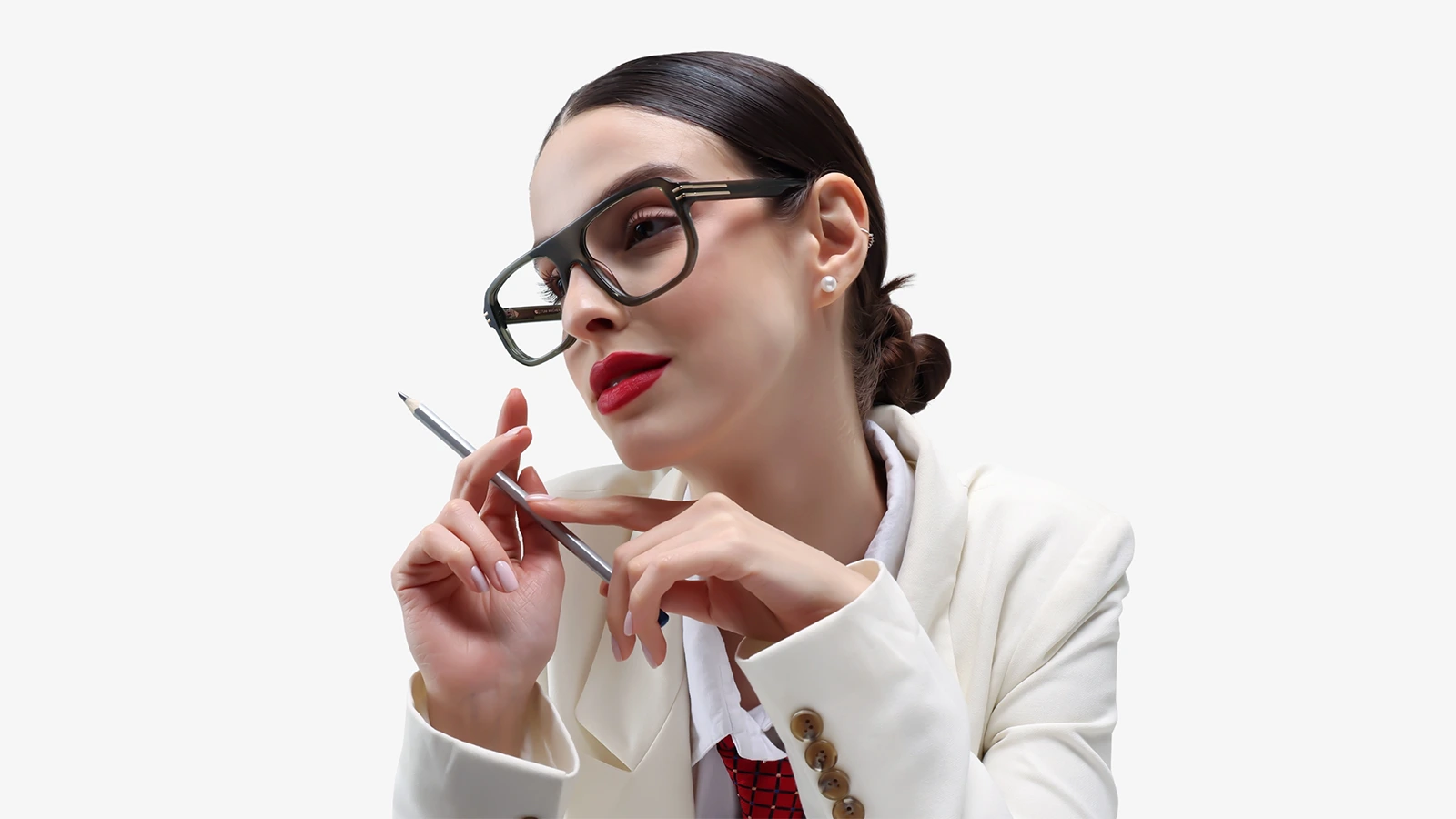
Here's the trend I find most interesting, and the one getting the least attention outside the trade press. Glasses are increasingly being worn by people who don't strictly need them.
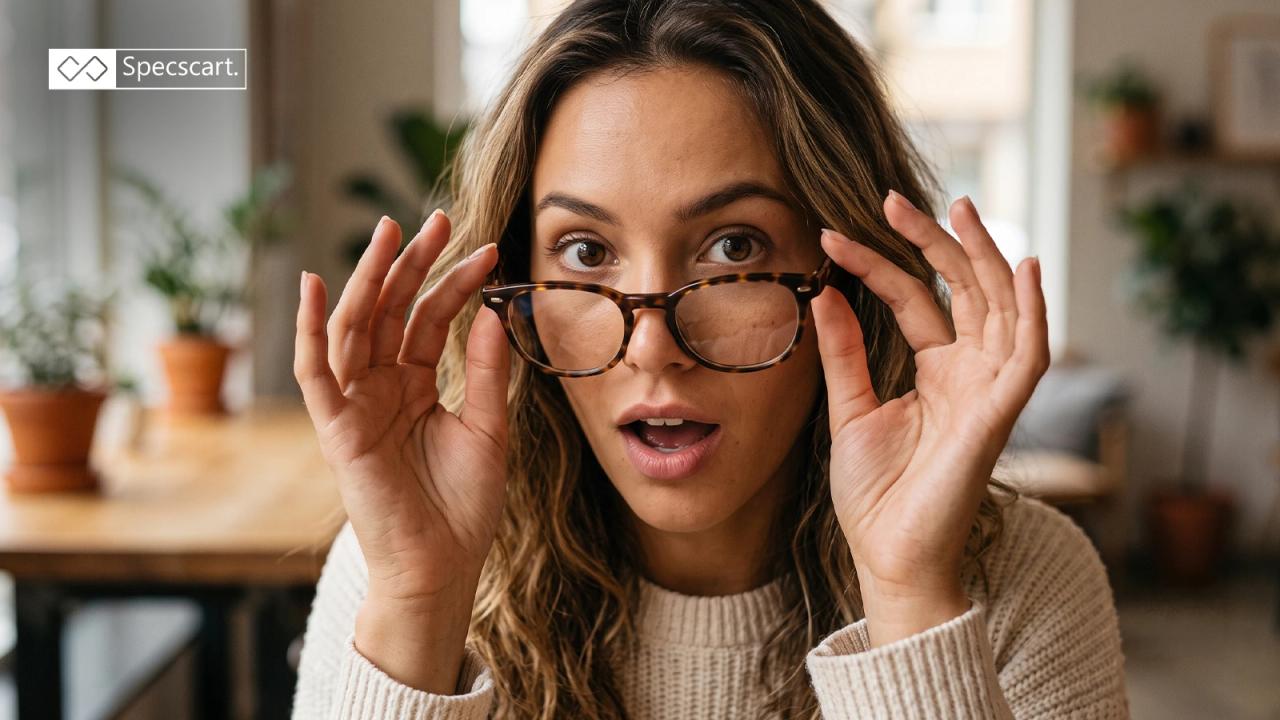
I don't say that as a criticism, more as something that's been building for a while and finally has a bit of proper attention behind it. People within the UK optical trade have started describing something close to an "office chic" look, frames worn less as a correction and more as a considered part of an outfit. It’s the same way you'd think about a watch or a bag. A fair amount of that shift is being driven by younger wearers who came to glasses through fashion first, prescription second, if at all. It’s one of the driving factors behind the popularity of non-prescription glasses.
To be fair, this is roughly where we started as a brand, long before it had a name in trade reports. Nobody wears the same shoes to the office, the gym and a Saturday night out, so it never quite added up that most people were expected to wear one pair of glasses to all three. Glasses sit closer to your face than almost anything else you put on, and they're usually the first thing anyone actually notices when they meet you. It makes them one of the more personal things you wear, not one of the more disposable ones. This is what shapes our tagline "A Frame For Every Game", which is either a decent way of putting it or a slightly cheesy one, depending on the day. Either way, watching the rest of the industry arrive at the same conclusion is a nice change from the usual direction.
There's a practical version of this too, sometimes called an "urban beach" approach. It means frames built to move from a desk to a weekend without you needing a separate pair for each. Small thing, but if you've ever owned two nearly identical pairs because one felt "too casual" for work, this is basically permission to stop doing that.
What's Already Looking a Bit Tired
I did promise this wouldn't just be a list of what's in, so here's the other half of that. A few of 2026's favourites are already showing signs of wear, and I say that with genuine fondness for some of them.
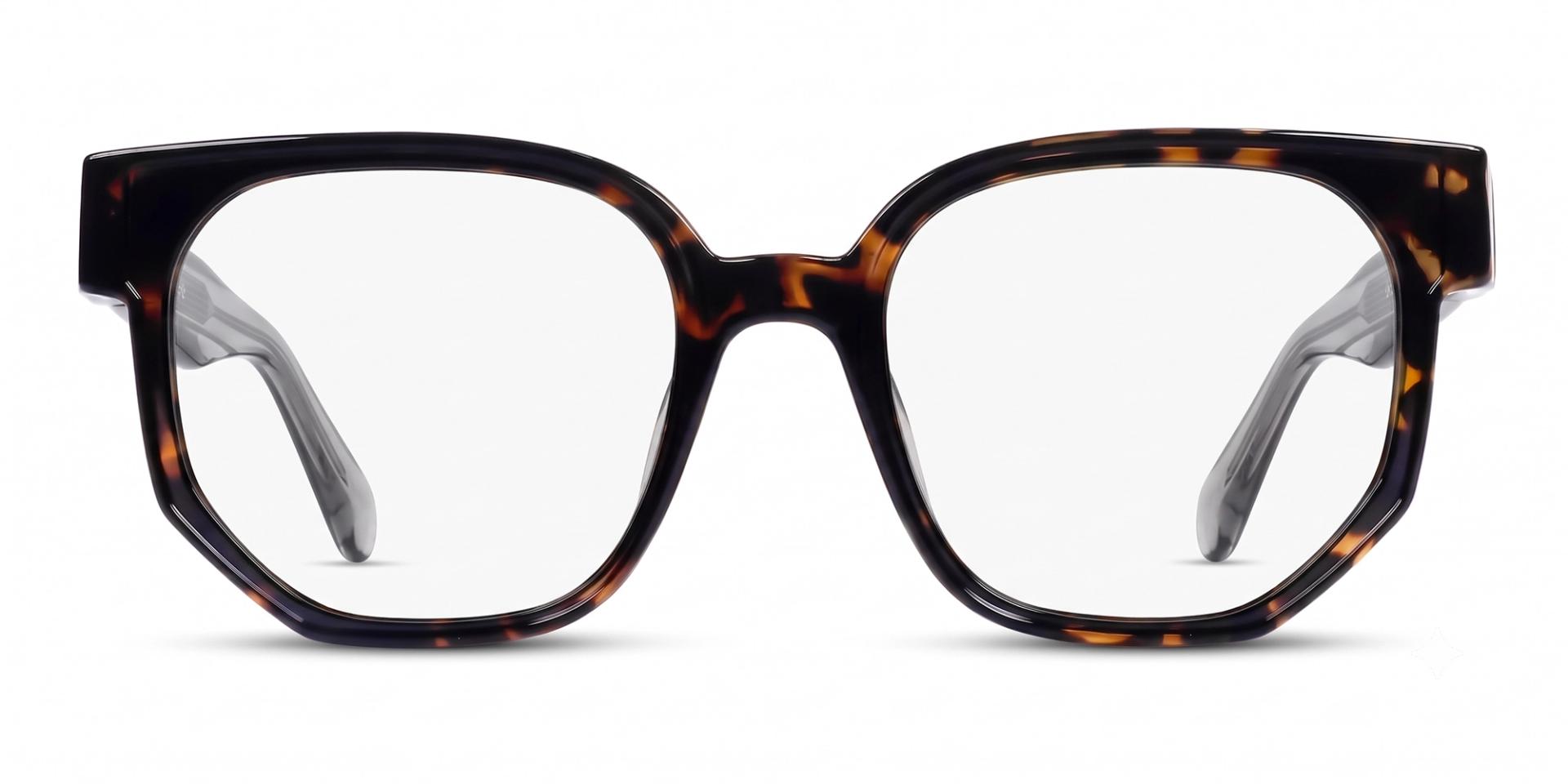
Very oversized frames, the kind that take up half your face, are starting to look less like a statement and more like a costume. Neon and novelty colours that were fun for exactly one season are, unsurprisingly, starting to look like exactly one season's colour. Ultra-thin "barely there" metal frames tend to date the fastest of anything, mostly because being of-the-moment is the only thing they had going for them. And anything leaning heavily on visible branding across the temple is starting to feel like it's trying a bit too hard.


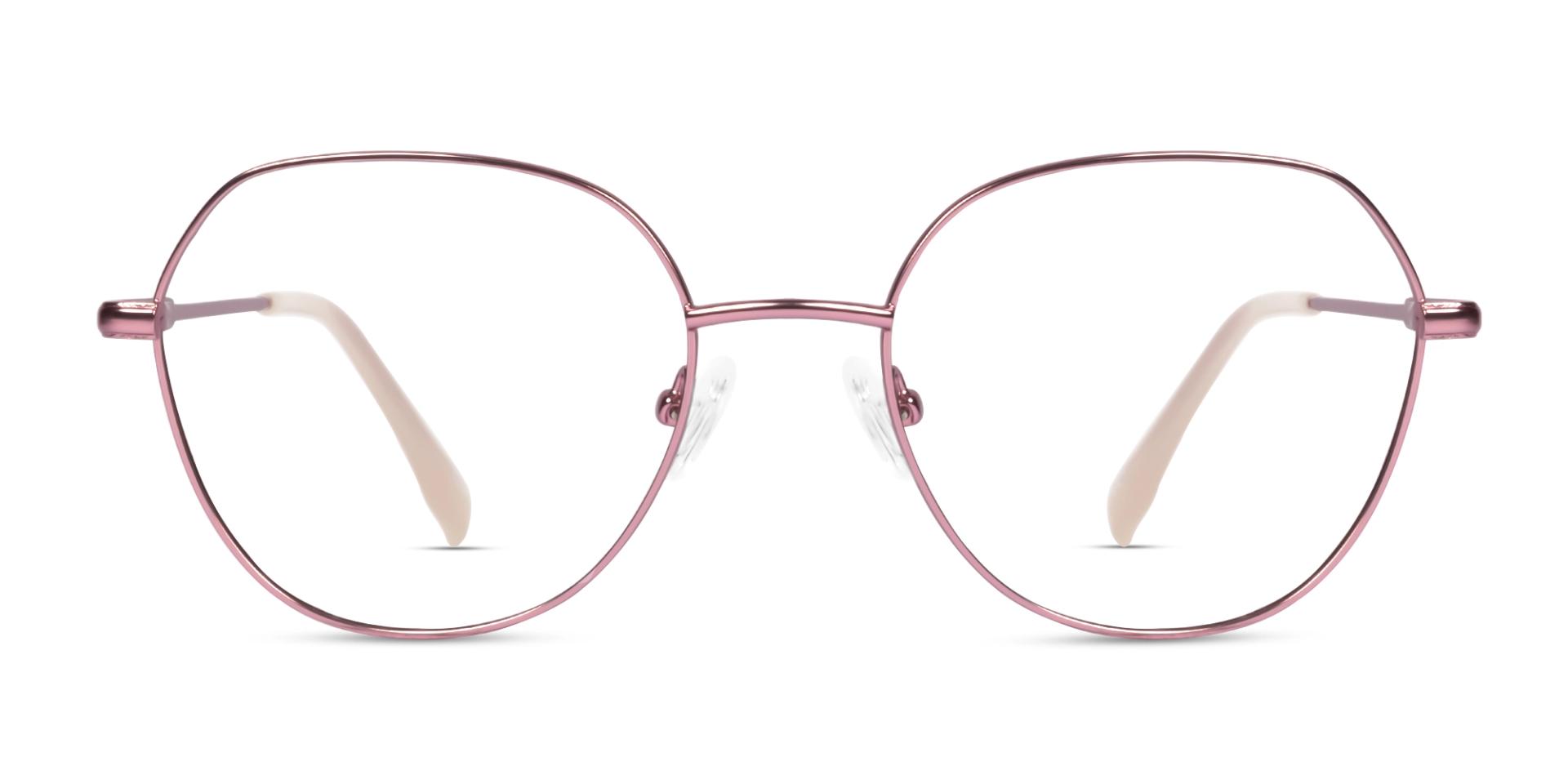


None of this means you need to panic-return anything from last year. Most people wear a pair of glasses for two or three years, and a frame that suits your face will keep suiting your face regardless of what a trends article says. But if you're buying new this year, it's worth knowing which of last year's darlings are already on their way out.
A Word on AI and "Invisible" Smart Glasses
I'll keep this one short because it deserves scepticism rather than hype. The direction the wider industry is exploring through events like SILMO Paris's Tech Village and the AI-focused sessions at SILMO Istanbul is frames that carry some form of built-in technology, audio, sensors, assisted design, while looking completely ordinary from a distance. The hardware disappears into the frame rather than announcing itself. It's an interesting direction for the industry as a whole.
What it isn't, yet, is something that's reached everyday UK prescription glasses in any meaningful way. It’s worth keeping an eye on but not worth rushing out for.
We'll admit to being a bit curious about this ourselves. We've had a proper look at a few of the products out there, partly to see whether it was worth building something of our own around. What we kept running into is the same two issues everyone in this space seems to be running into. The technology itself is still working through its early problems, and the price tags attached to it are nowhere near where most people would consider reasonable for a pair of glasses. So for now we're watching rather than launching. We'll take it seriously once it's matured enough and priced sensibly enough to actually work for everyday wearers rather than just the person keen to own one first.
So, What Does This Mean for You
If 2026 was the year eyewear refused to pick a lane, 2027 is the year it got a bit more honest about why. You can witness subtle and more considered shapes. Colours are taken from the outdoors rather than a colour wheel. Materials that are genuinely improving rather than just being marketed better. And more people wearing glasses simply because they like how they look, prescription or not.
The sustainability piece isn't going anywhere, and it shouldn't. We've built our own material choices around plant-based cellulose and similarly considered options for exactly that reason. But the bigger point, whatever year it happens to be, is that you shouldn't need a trends article to tell you what suits you. You just need a decent range to choose from. Which, handily, we've got thousands of.
Frequently Asked Questions
What eyewear trends are shaping 2027?
The clearest directions are softened heritage shapes like oval, pilot and cat-eye. Earth-toned and translucent colour palettes, continued growth in bio-acetate and recycled materials, and more people wearing glasses as everyday fashion rather than for vision correction alone.
Are oversized glasses still in style in 2027?
Slightly larger-than-average frames are still popular, but the truly face-covering oversized styles are starting to fade out slowly.
Will tortoiseshell glasses go out of style?
Not any time soon. It remains one of the most versatile finishes around, largely because it works with almost any wardrobe and any occasion.
What is crystal or translucent acetate?
A finish where the frame material is partially see-through rather than fully opaque, often tinted in soft shades like peach, yellow or smoke. It gives a bolder shape a lighter feel on the face.
How many pairs of glasses should I own?
There's no fixed number, but it helps to think in terms of roles rather than quantity. One reliable everyday pair, one that leans dressier or bolder, and perhaps a sunglasses pair, covers most people's needs. You can keep adding more pairs based on the occasion once you have these basics in your wardrobe.
Are smart glasses going to replace regular glasses?
Not any time soon, and certainly not for everyday prescription glasses wearers. The industry is moving in that direction, but it hasn't reached a point where it's replacing a standard pair for most people.
Sources
https://www.mido.com/en/press-releases
https://www.mido.com/en/exhibitor-news
https://www.silmoparis.com/en/espace-presse
Caution: You may become style obsessed