


Britain buys a genuinely surprising number of sunglasses for a country that gets, by most counts, somewhere around a month and a half of proper sunshine a year. I’ve never been able to work out if that’s optimism or just habit. Either way, 2027 sunglasses trends aren’t really being bought for the sun anymore, at least not primarily. Once you notice that, most of this year’s sunglasses trends start making a bit more sense.
The Short Version: Shapes are getting wider and more structured. Colour is leaning muted rather than loud and funky colour trends that were popular a couple of years back. Mirrored lenses are gaining popularity, and there is a genuine technical story running underneath the fashion one. People are leaning towards better UV standards, and sports-driven design is crossing into everyday collections. We are also noticing prescription options finally reaching sunglasses shapes that used to leave glasses wearers out entirely. There is a fair bit to unpack in each of those, so let’s get into it.
How We Picked These Trends
The rules stay pretty much the same as always. Every trend that made it to this list has turned up independently across more than one source. We have not included anything because a single brand or a single lookbook was pushing it. For the fashion direction, that meant cross-checking spring-summer 2027 runway and trend coverage against what’s actually turning up in wholesale collections. For the technical side, I went to the actual UK body responsible for eye health guidance. Anything that read as a straight product launch dressed up as a trend got left out, same as always.
Trending Sunglasses Shapes for 2027
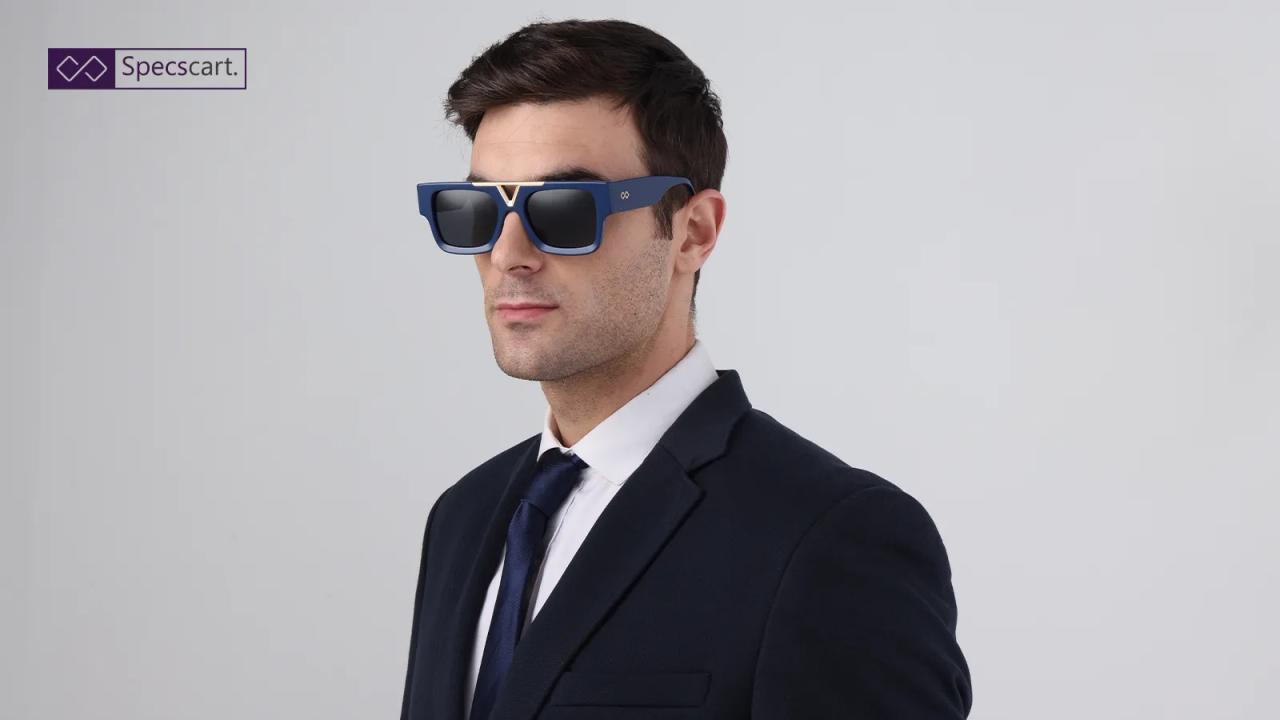
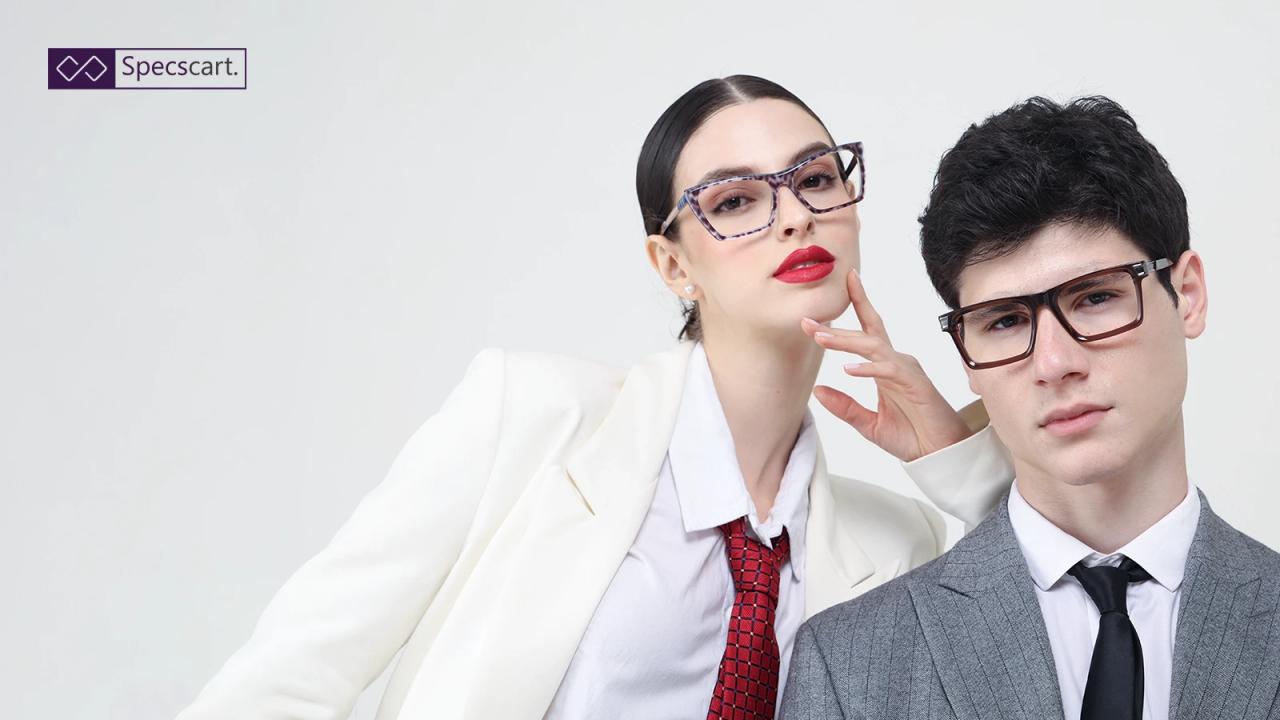
Rectangular frames are the clearest shape getting popular this year, and they’re doing it with width rather than the overall size. A wider rectangular lens sharpens the face without tipping into full oversized territory. It is a different move compared to what oversized frames have been doing for the last few years.
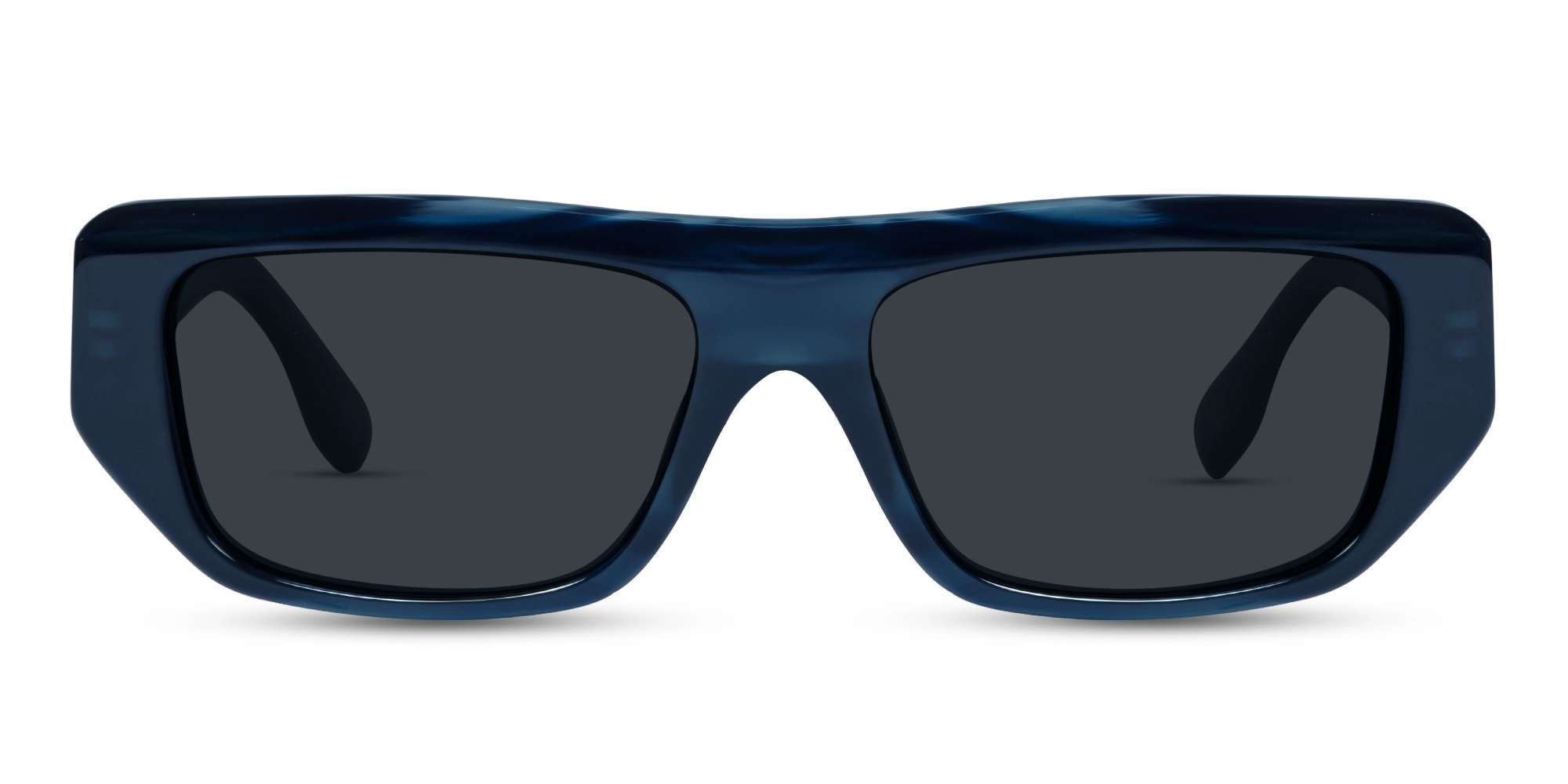


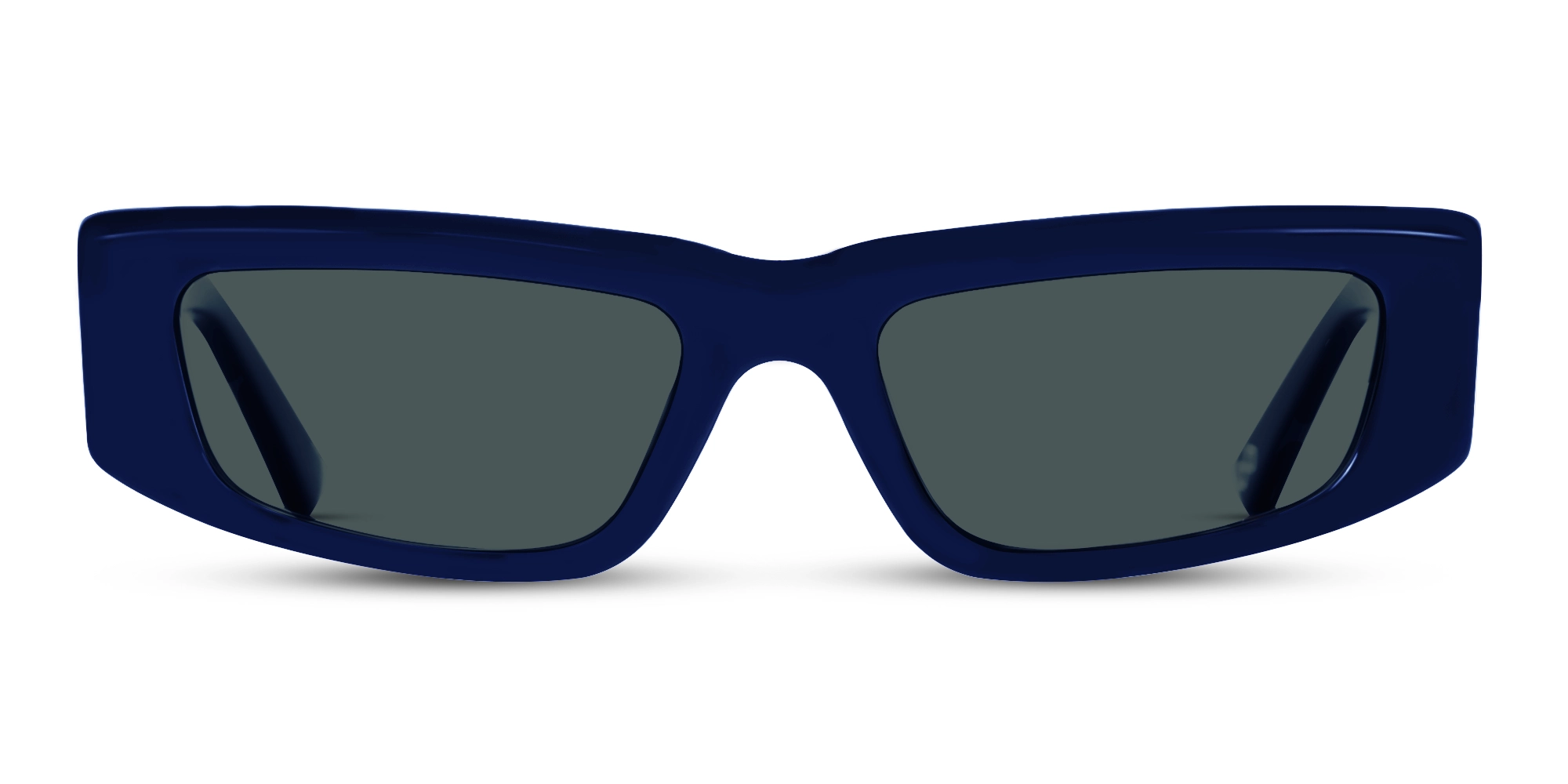


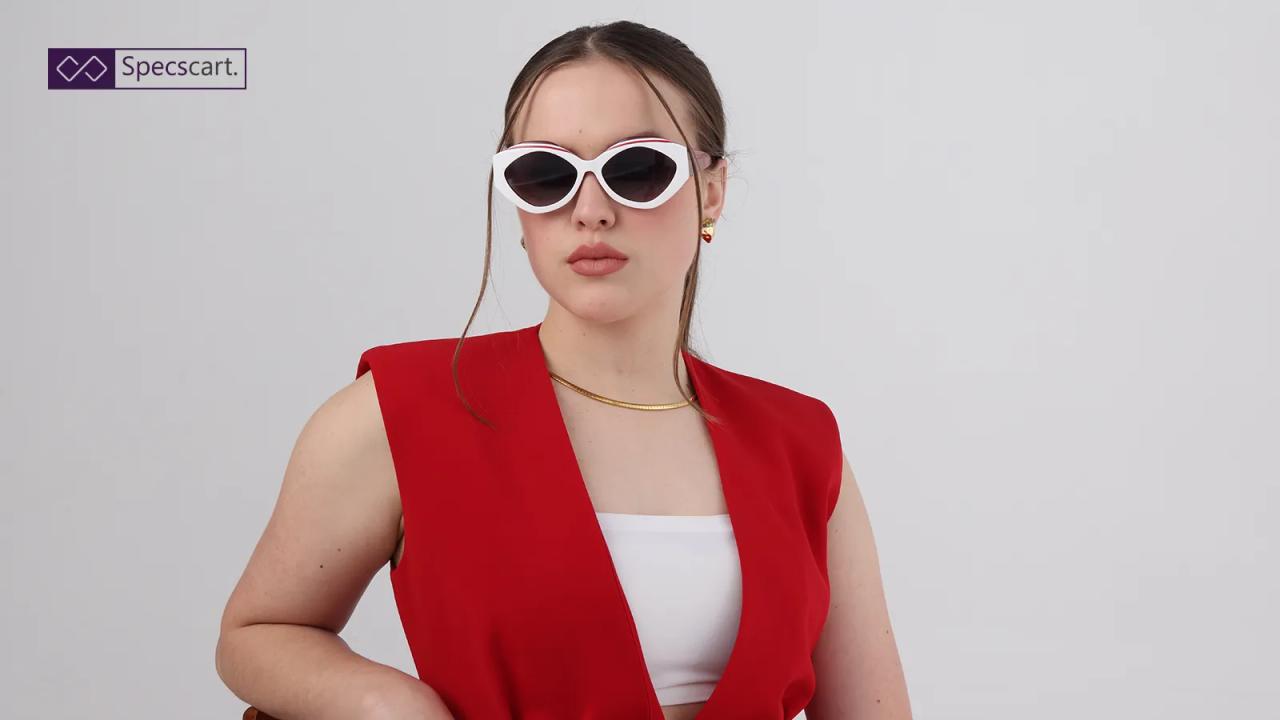
Panto shapes are getting more substantial too. You can see more curve on the brow and more presence generally, but without losing the definition that makes panto recognisable in the first place. Butterfly and cat-eye sunglasses are both being reworked with softer geometry this year. We have seen pretty much the same trend in these shapes when it comes to eyeglasses as well.
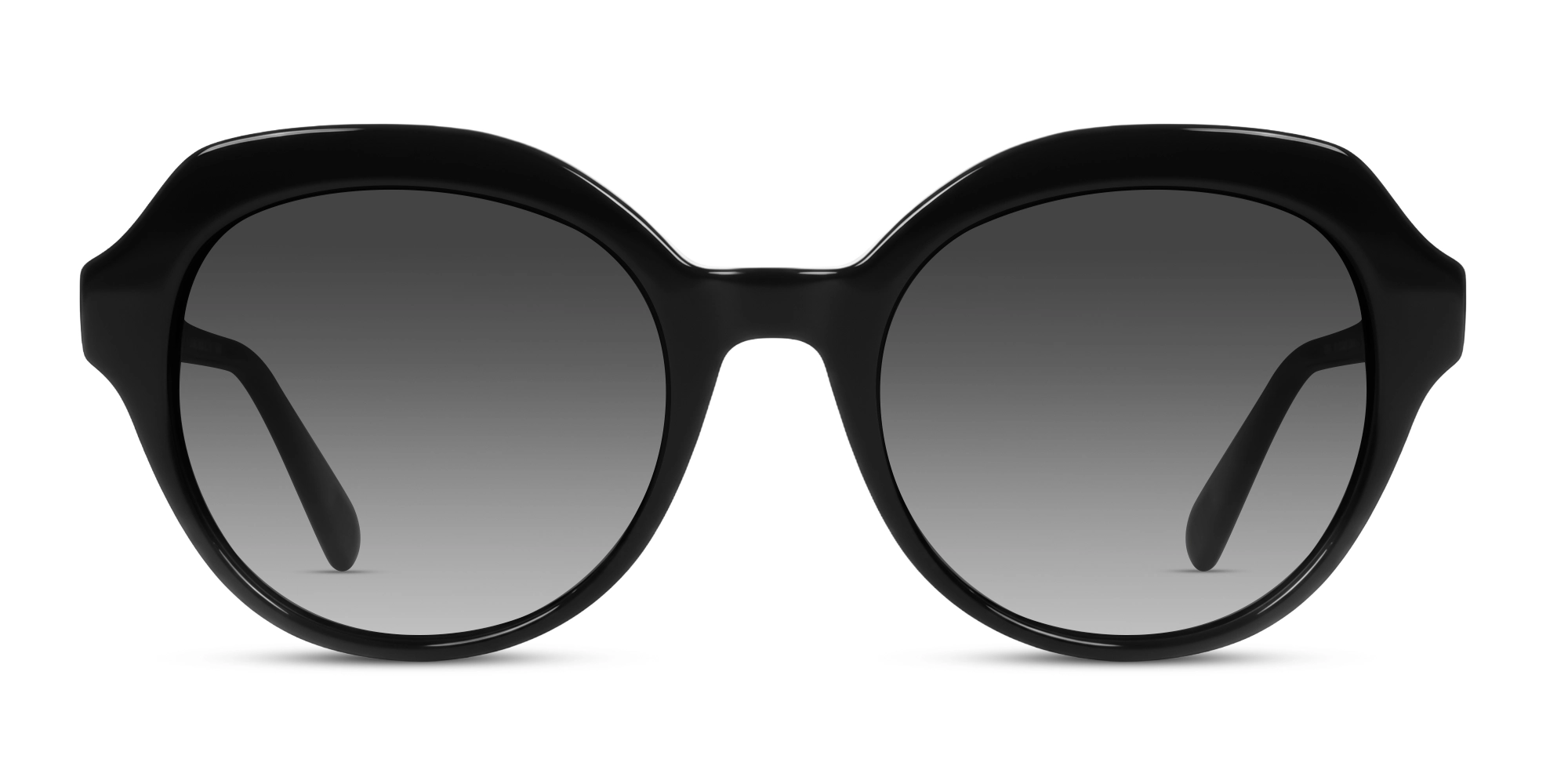


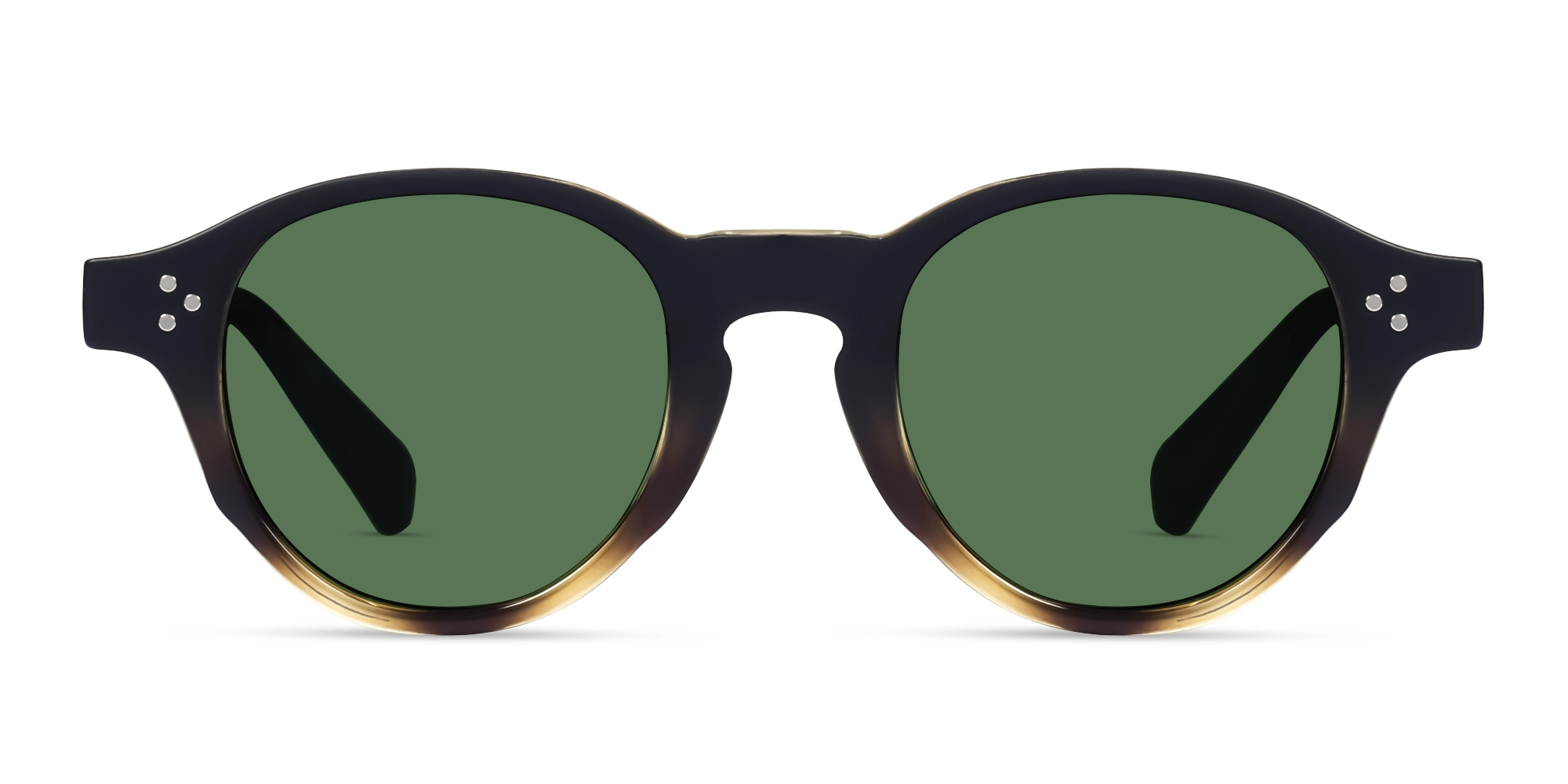


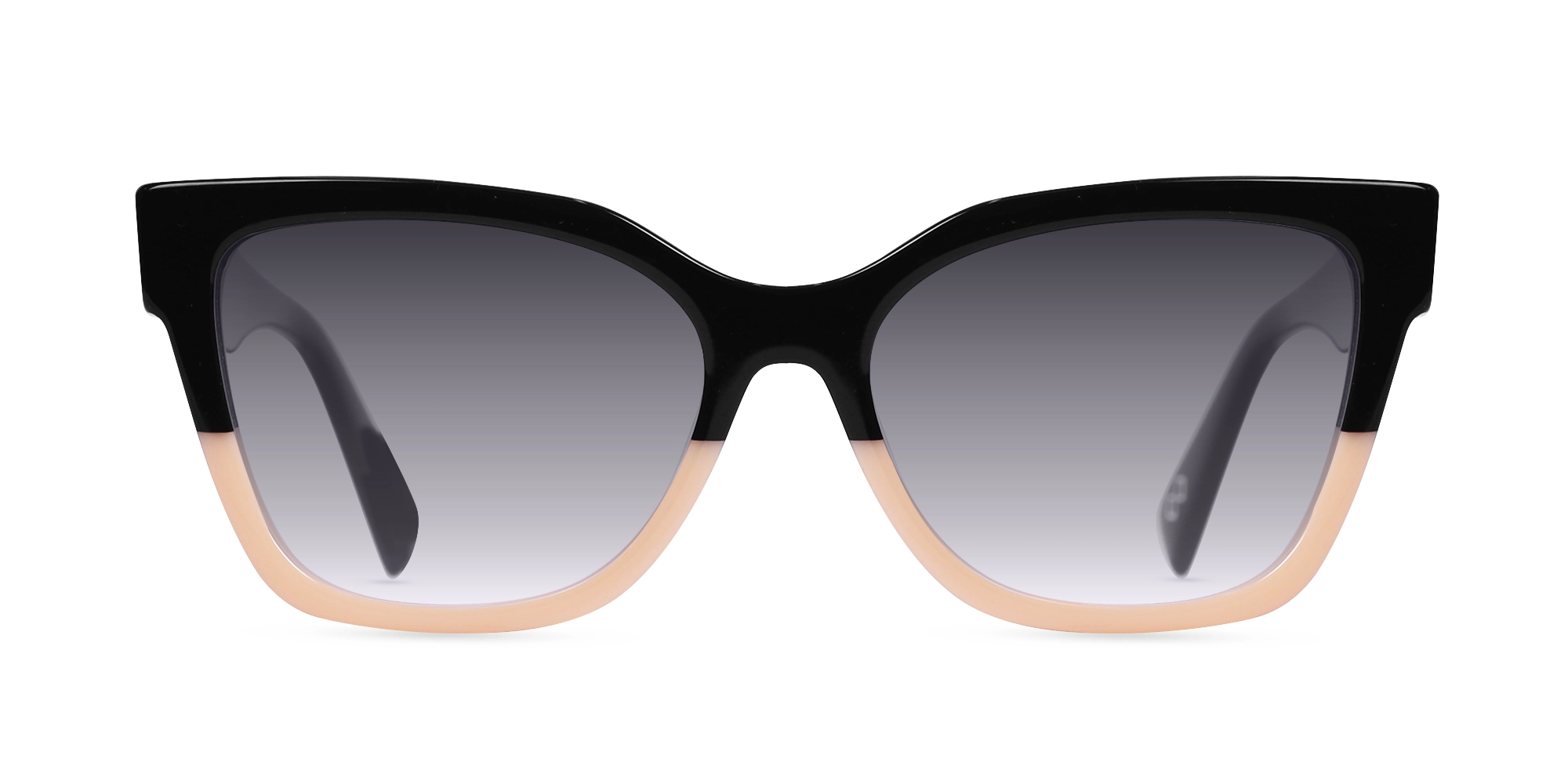


If oval, shield, or cat-eye sound familiar, that's because we went into proper depth on all three in our eyeglasses trends piece for 2027. The article is worth a read if you want the full shape breakdown. What’s different here is coverage and proportion. A sunglasses lens has to do different work than the optical one. It’s blocking light while correcting vision (in case of prescription sunglasses), so the same silhouette often gets built wider and deeper in its sun version than its optical one.
Colour and Lens Tint
Black is still doing what black always does in sunglasses. It gives you maximum impact in a frame that reads as one clean shape rather than a collection of details. Tortoise keeps doing the opposite job well, adding warmth and variation without losing structure.
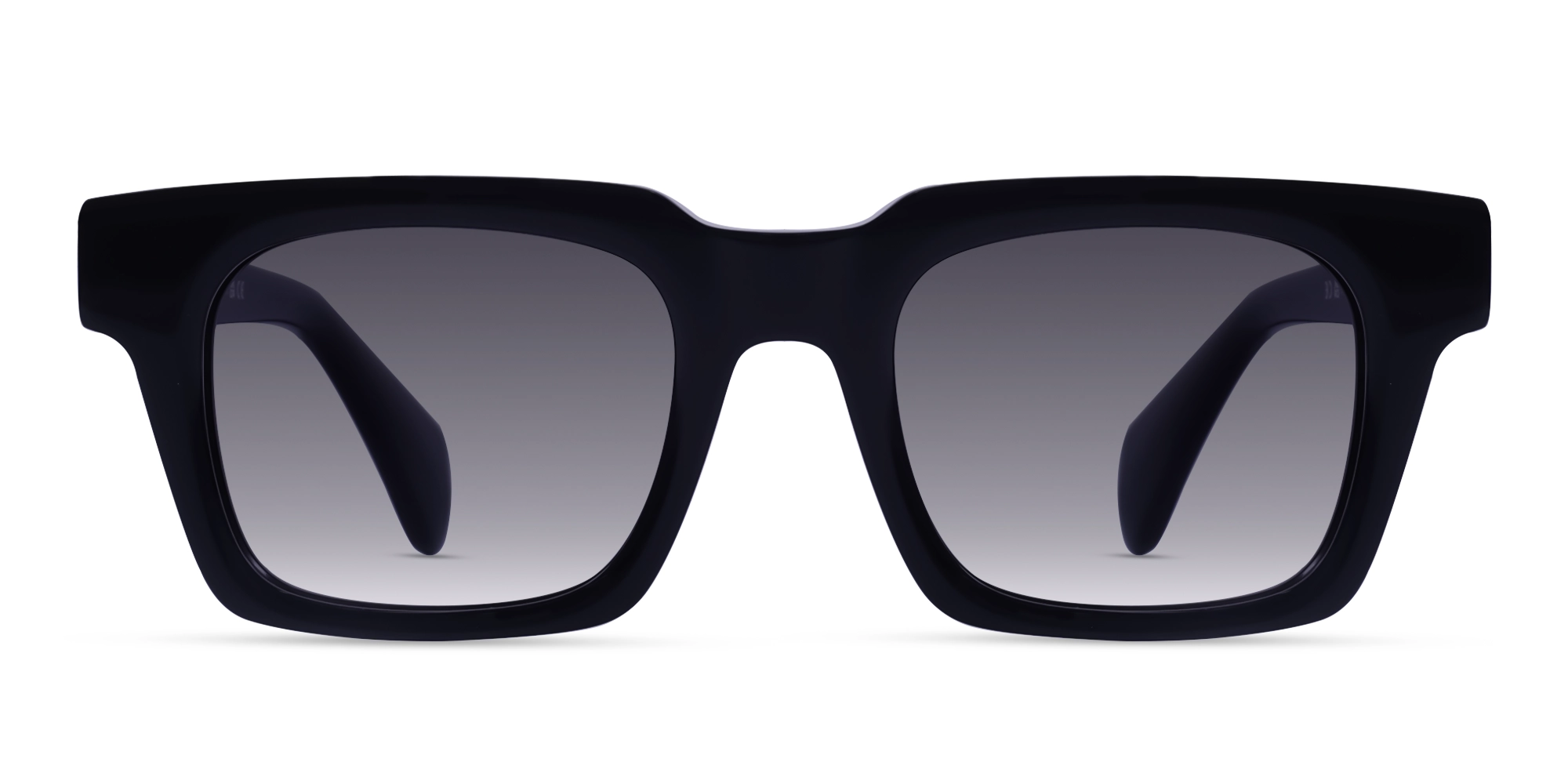


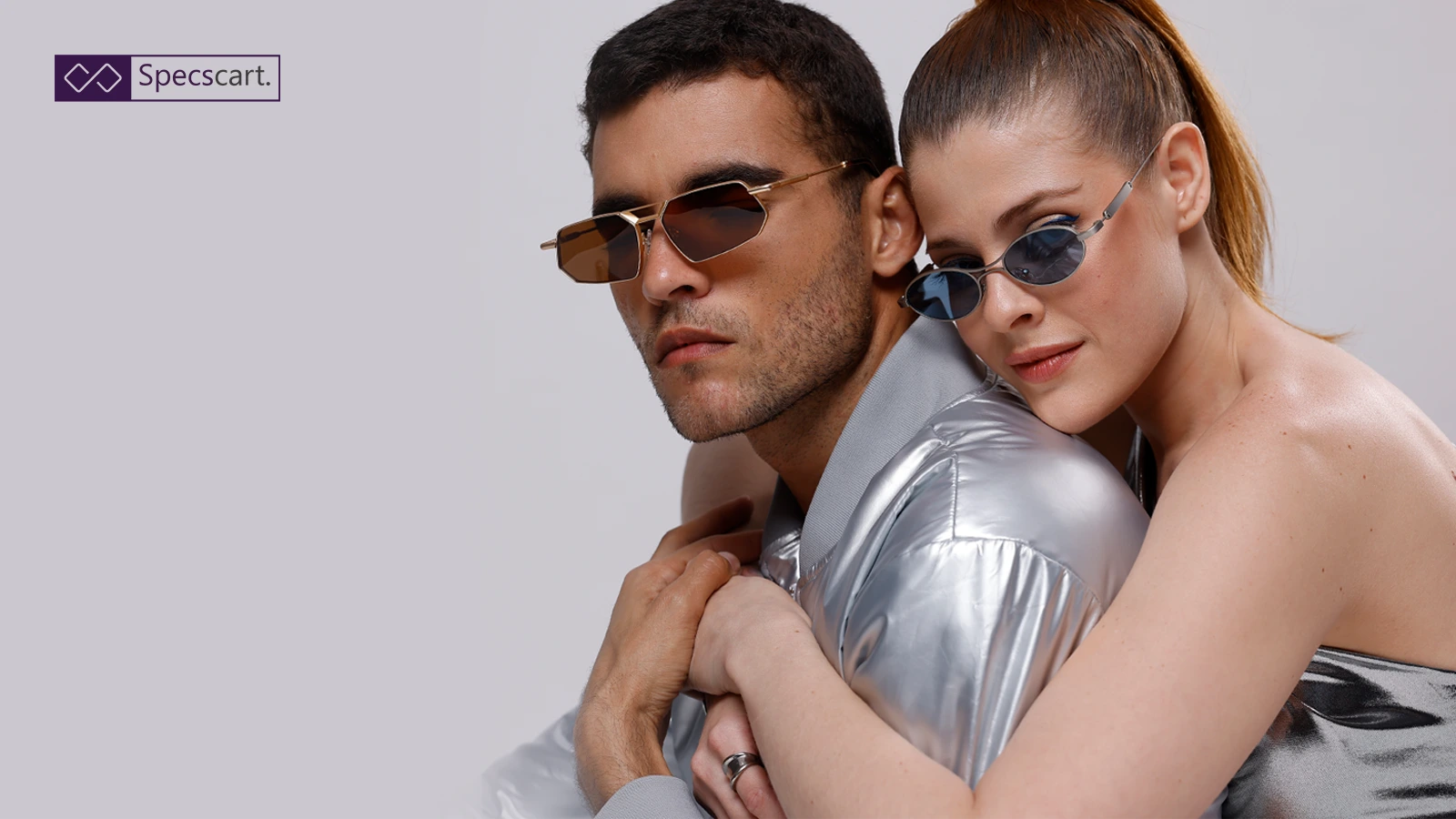
What's newer for 2027 is a shift toward muted, slightly unexpected colours doing more of the emotional work. Burgundy and olive both show up a lot this year, changing the personality of an otherwise familiar shape without needing a strange one to do it. Crystal and transparent acetate sunglasses continue growing too, sometimes layered rather than flat, which gives a frame more depth than a single block colour ever could.
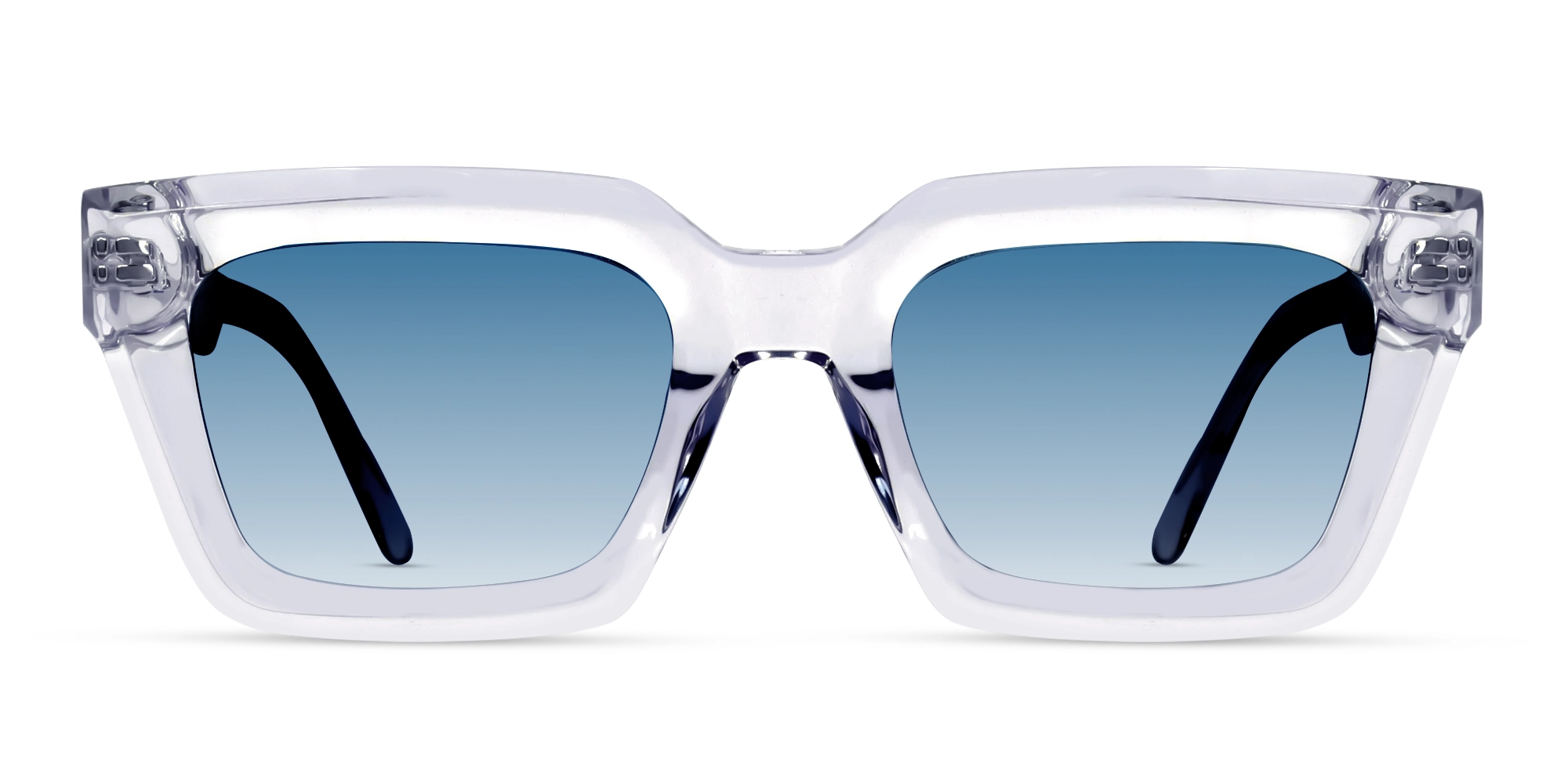


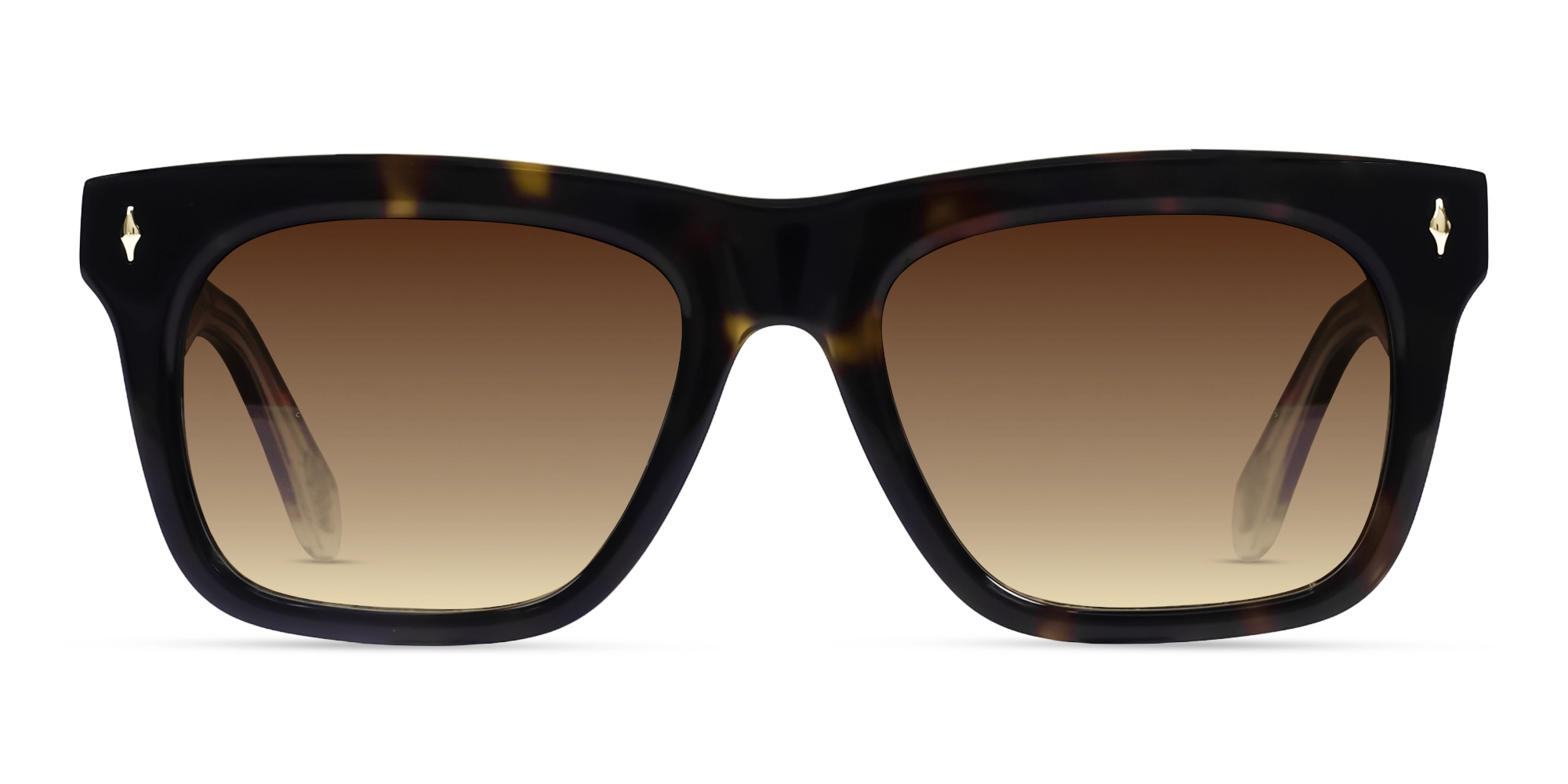


Coming to tints, people often think of them as a style choice and nothing more. It has never been just a style choice, as it has a clear impact on your vision as well. For example, darker grey tints offer the closest colour perception to true colour while reducing brightness significantly. You can check out our tint guide for more information. Considering we offer more than 26 tint options across solid, gradient, polarised, and mirrorred tints, you won’t face much issue finding the right one for you.
Our New Sports Wraparound Range, and the Bit We're Actually Proud Of
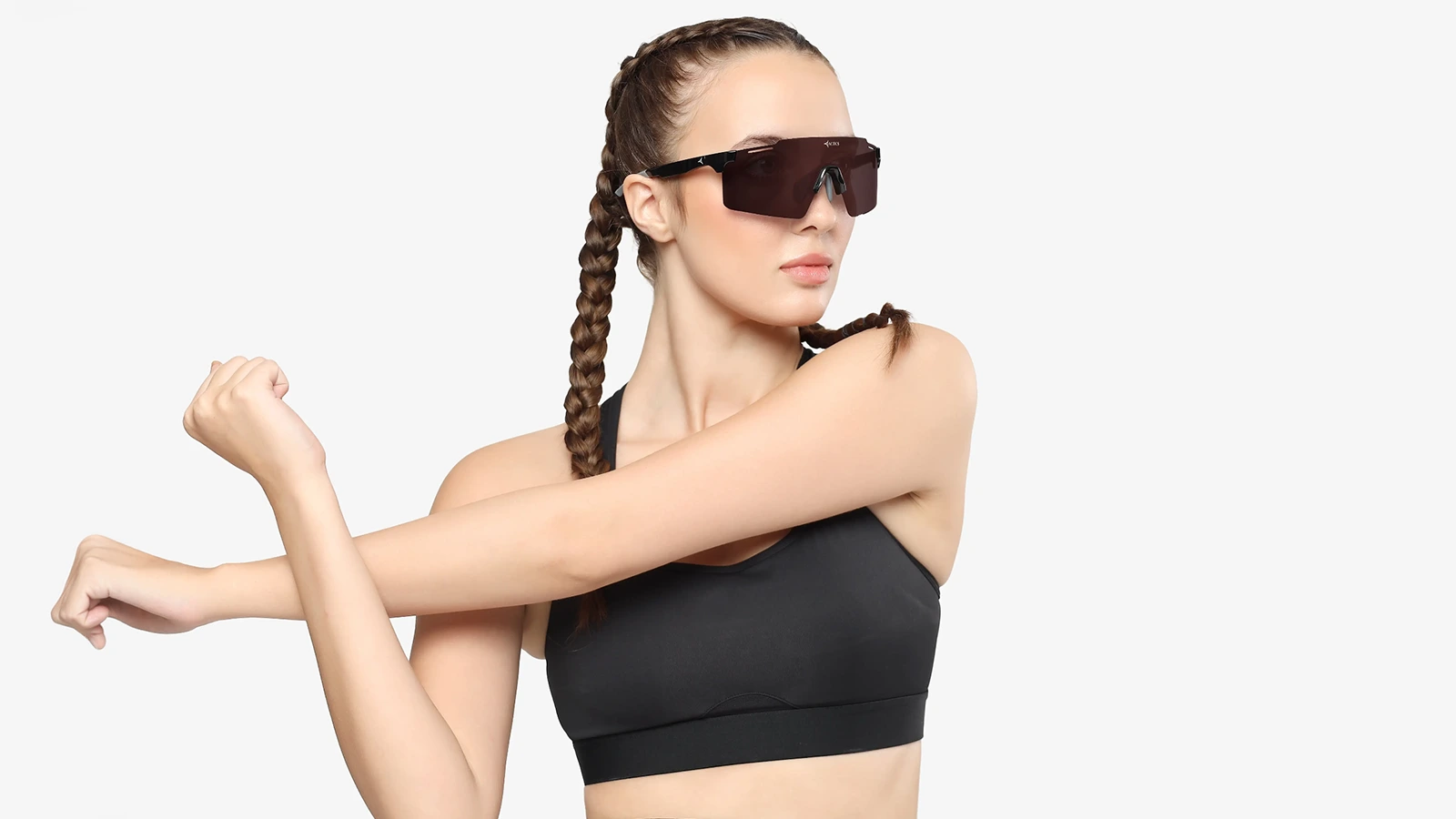
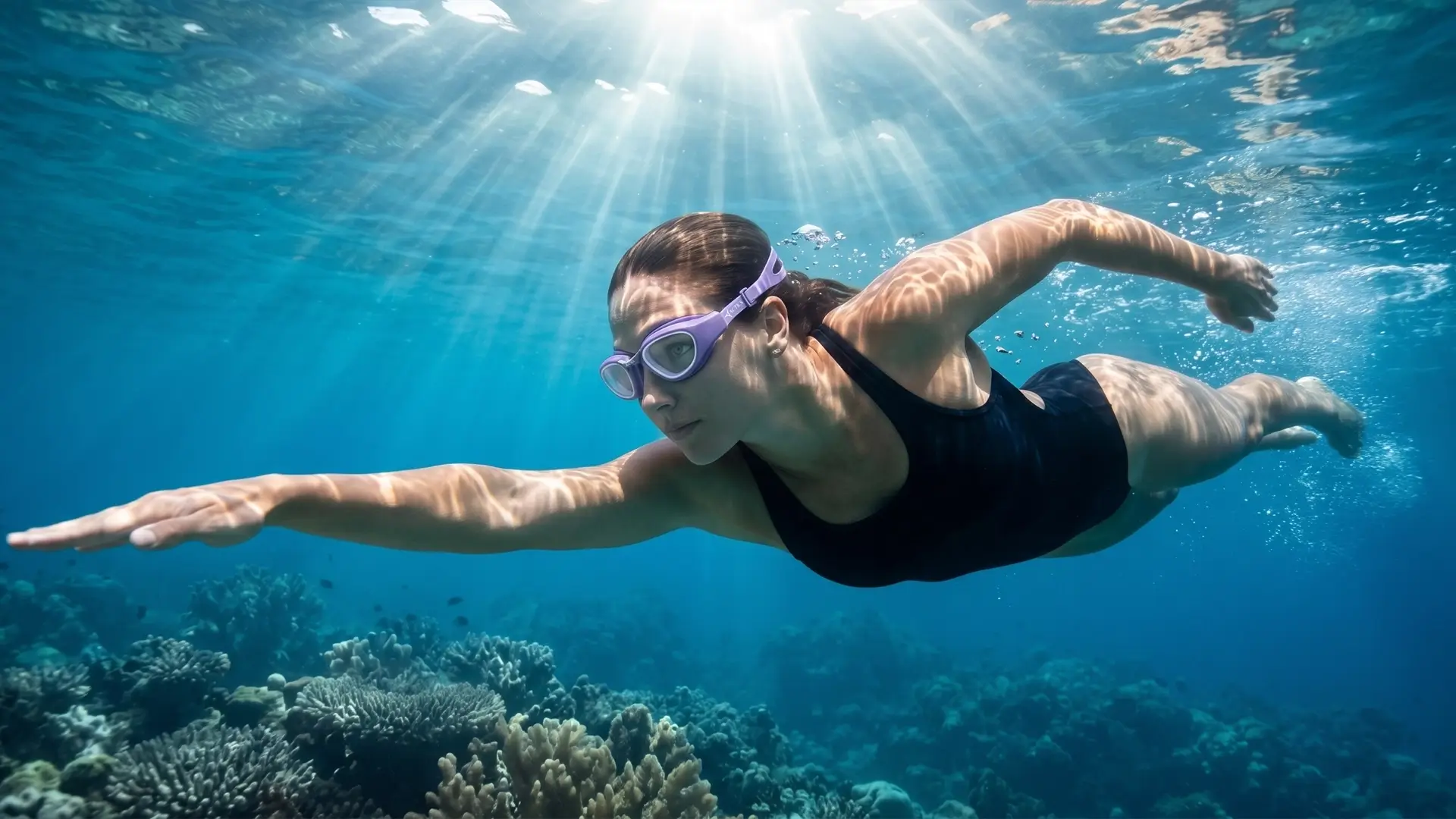
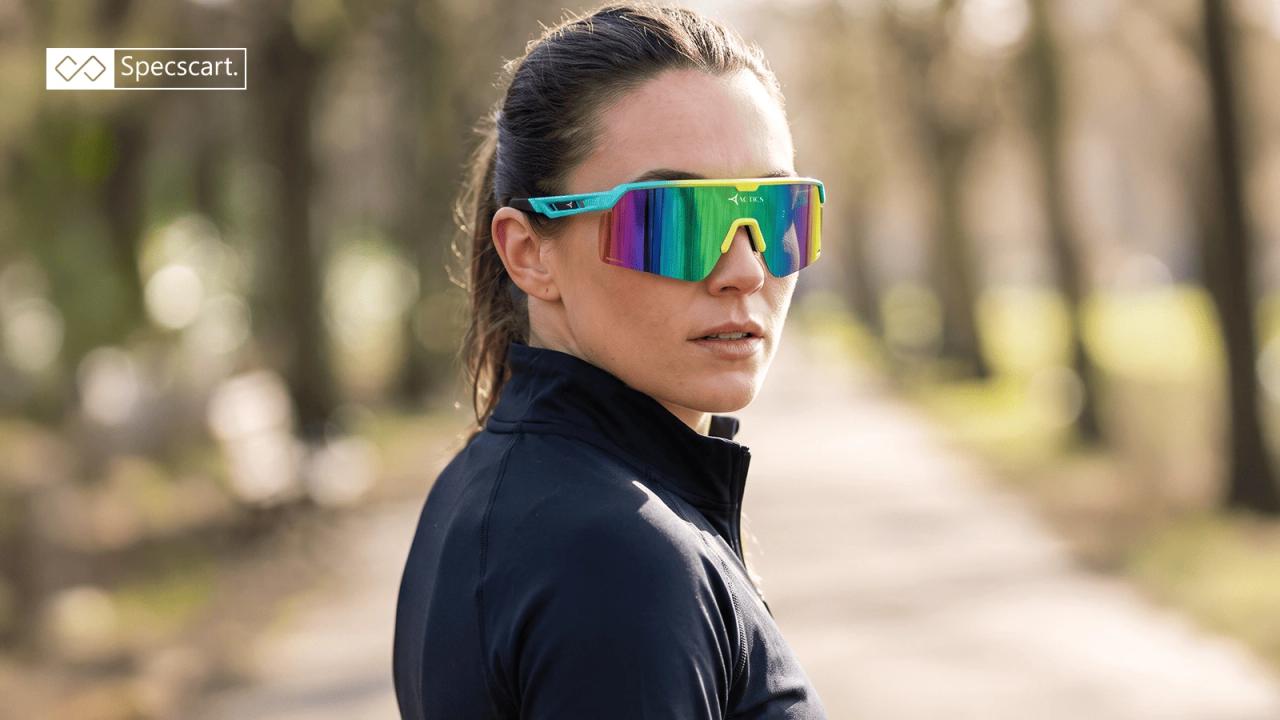
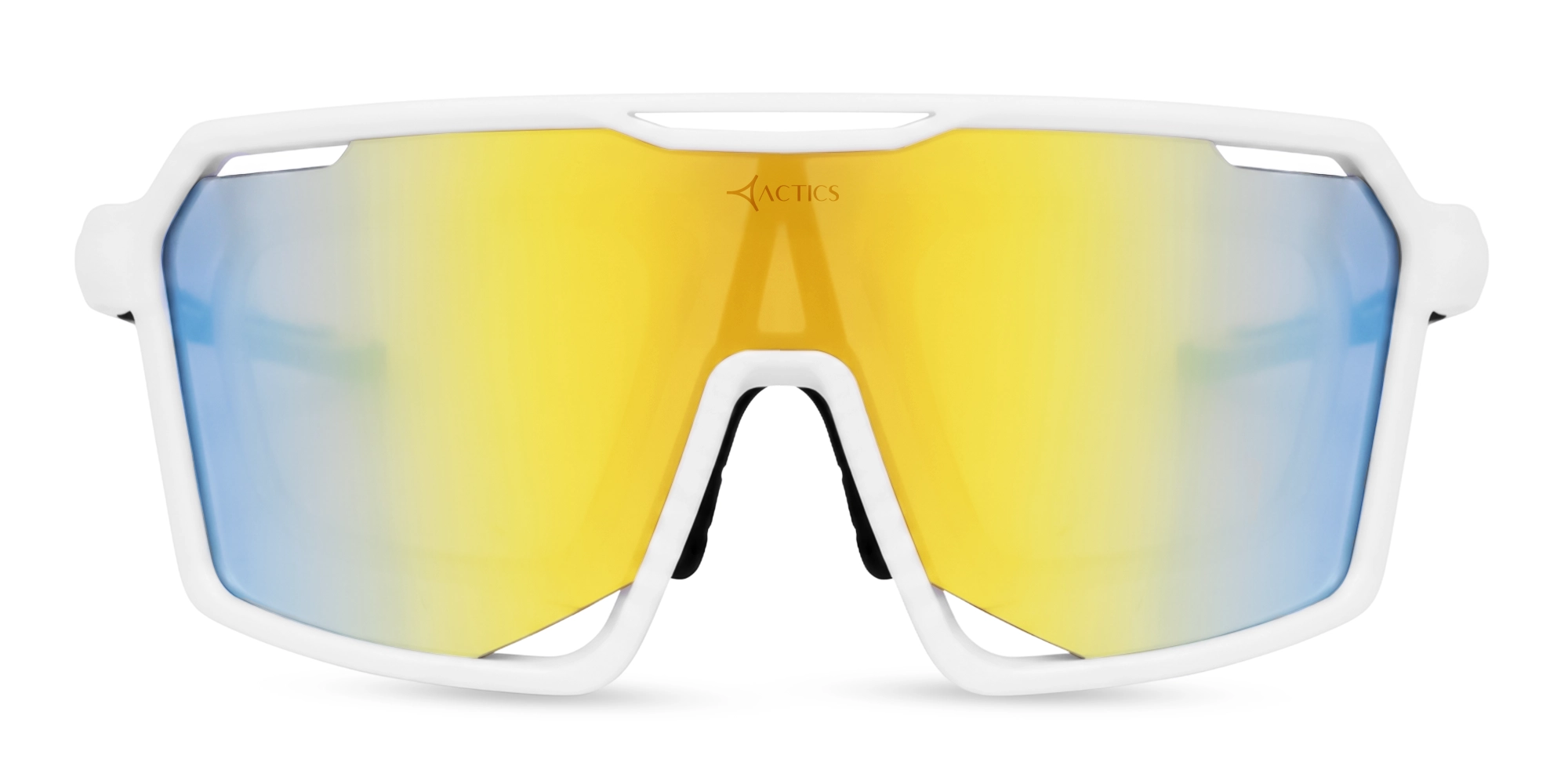
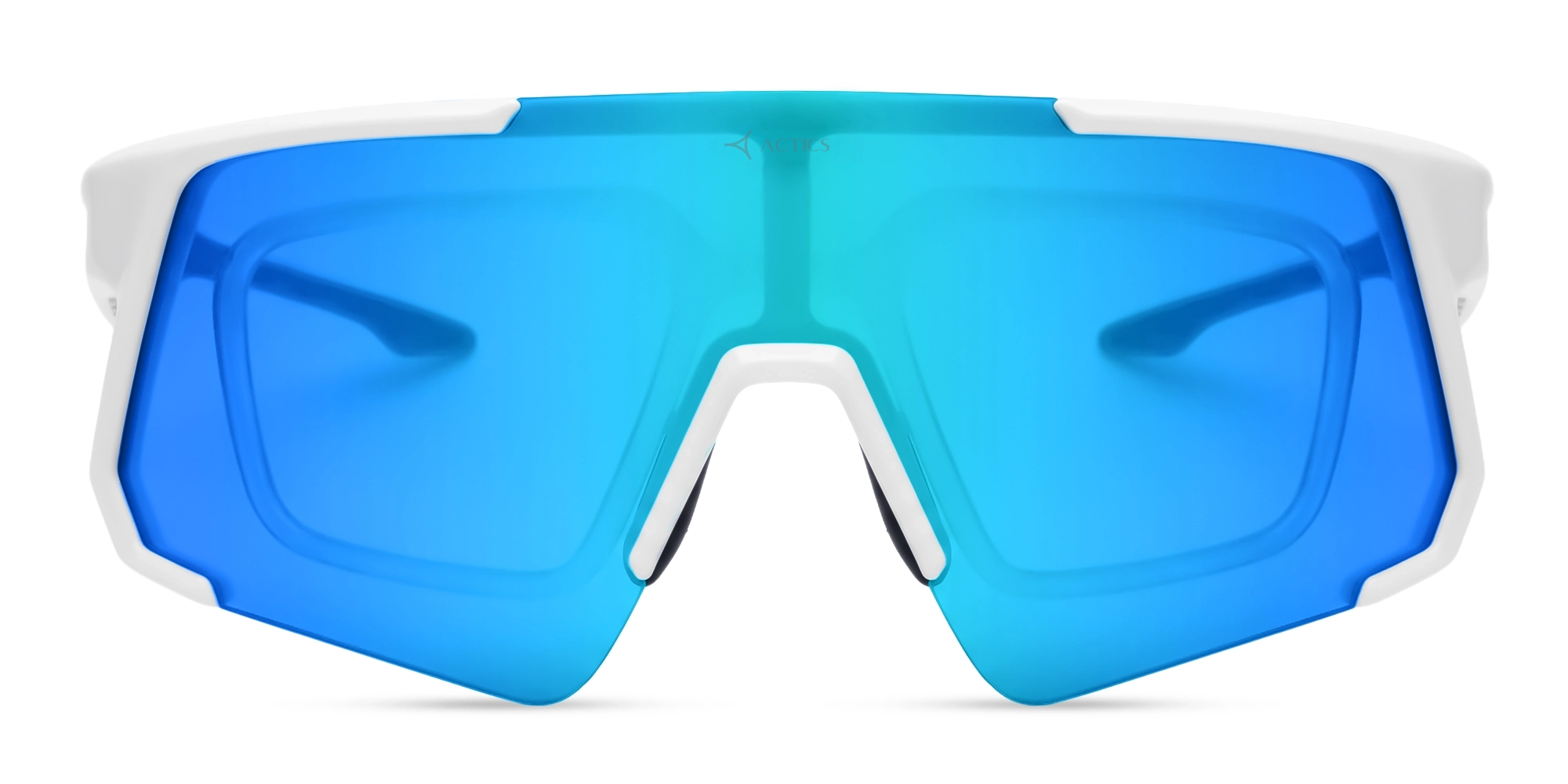
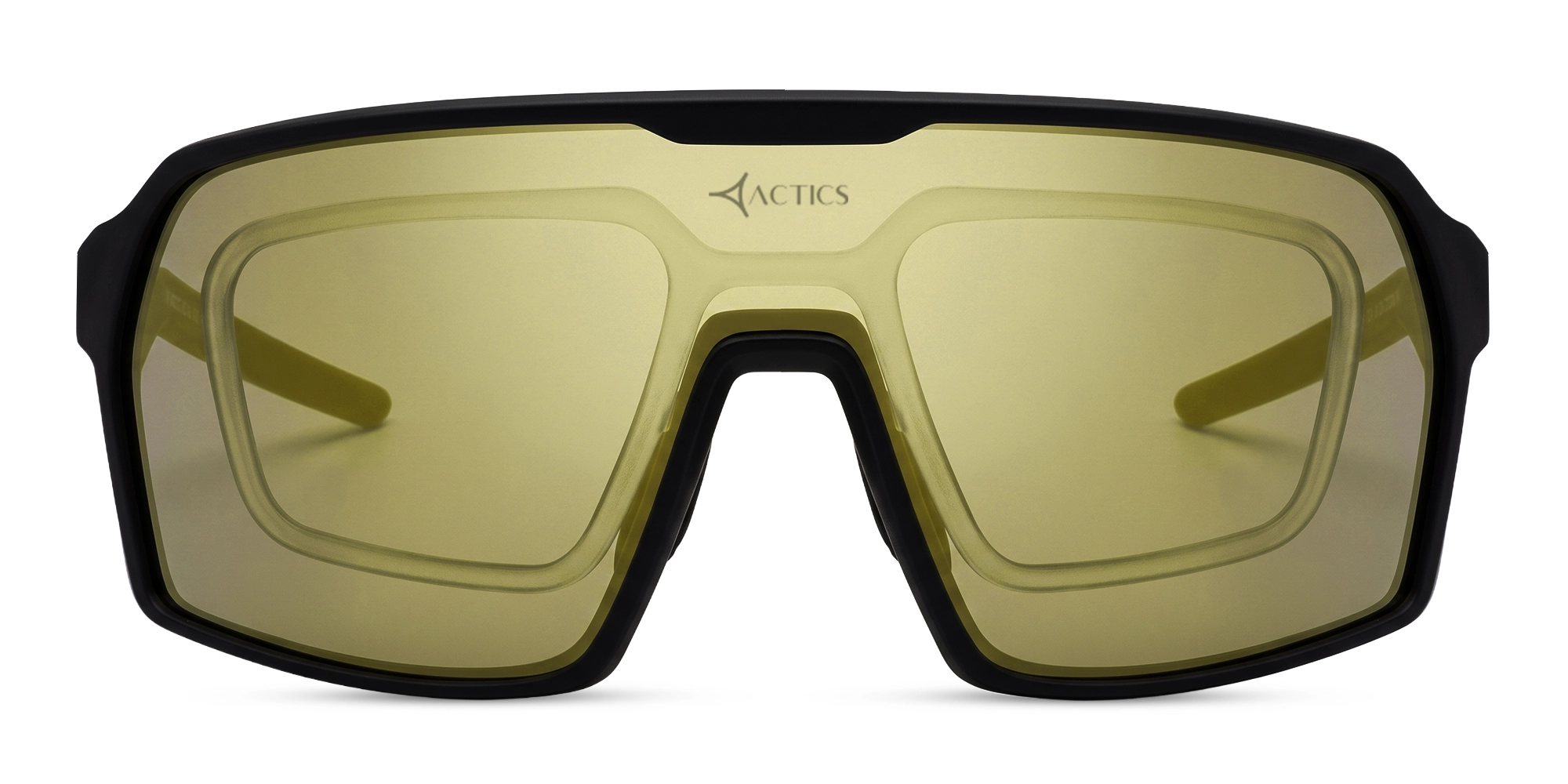
We've just launched a wraparound sports sunglasses range with mirrored lenses. It sits pretty squarely inside a trend the wider industry's shifting towards. It’s sport-driven design that can be used for sports and otherwise. Wraparound coverage, once something you only saw on a cycling helmet or a ski slope, keeps turning up in mainstream sunglasses now with mirrored lenses.
Here's the part that actually matters more to us than the trend angle. Wraparound sports sunglasses have historically been a bit of a dead end if you wear prescription glasses. You'd either give up the wraparound shape entirely or go without correction while doing the exact activities like running, cycling, or being outside in general. Our new range comes with a single-vision prescription insert, so that stops being the trade-off.






UV400, Polarisation, And The Bit With The Actual Standard
People use "polarised" and "UV protected" like they mean the same thing, but they are completely different things. Polarisation cuts glare when you see the harsh reflected glare off surfaces like water, wet roads, or car bonnets. UV protection is a separate property entirely. It blocks the ultraviolet wavelengths that don't cause glare at all but do quietly damage your eyes over time. A pair of sunglasses can have one without the other, which is exactly the kind of thing that's easy not to know until it's pointed out.
UV400 specifically means a lens blocks light up to the 400 nanometre wavelength, covering both UVA and UVB. In the UK, sunglasses sold as genuinely protective are also expected to meet the British Standard, BS EN ISO 12312-1:2013, and carry a CE or UKCA mark. None of that is obvious from looking at a pair on a shelf, which is a big part of why cheap, unmarked sunglasses can end up doing more harm than good. They are dark enough to make your pupils dilate without actually blocking what they need to block.
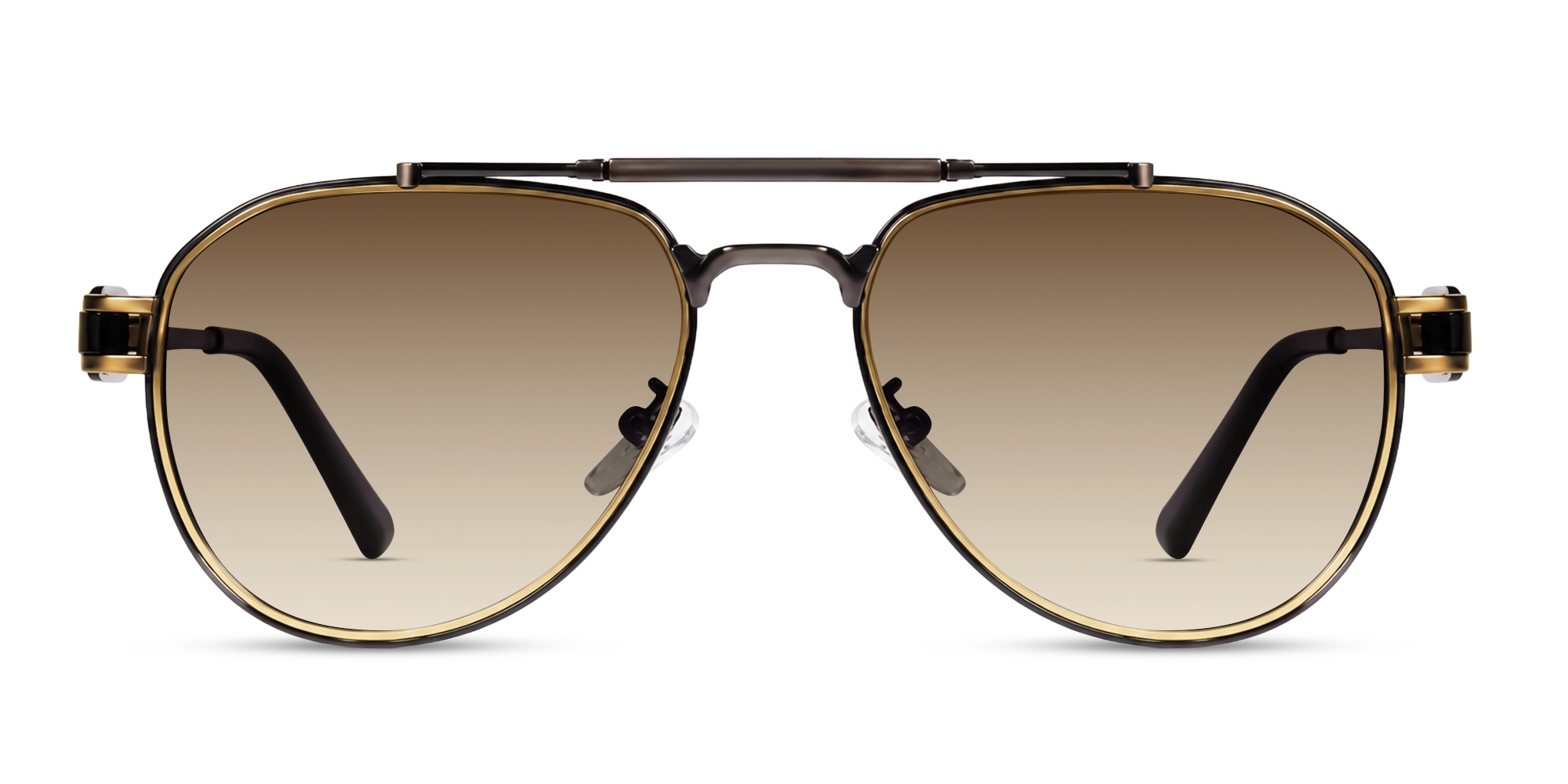


Every pair of sunglasses we sell comes with UV400 protection built in. It's been part of how we've made sunglasses since we started, on the basis that eye protection isn't the kind of thing that should be an optional extra you pay more to get. Whatever pair you end up picking off this list, shape and colour aside, that part's already sorted.
Why This Actually Matters
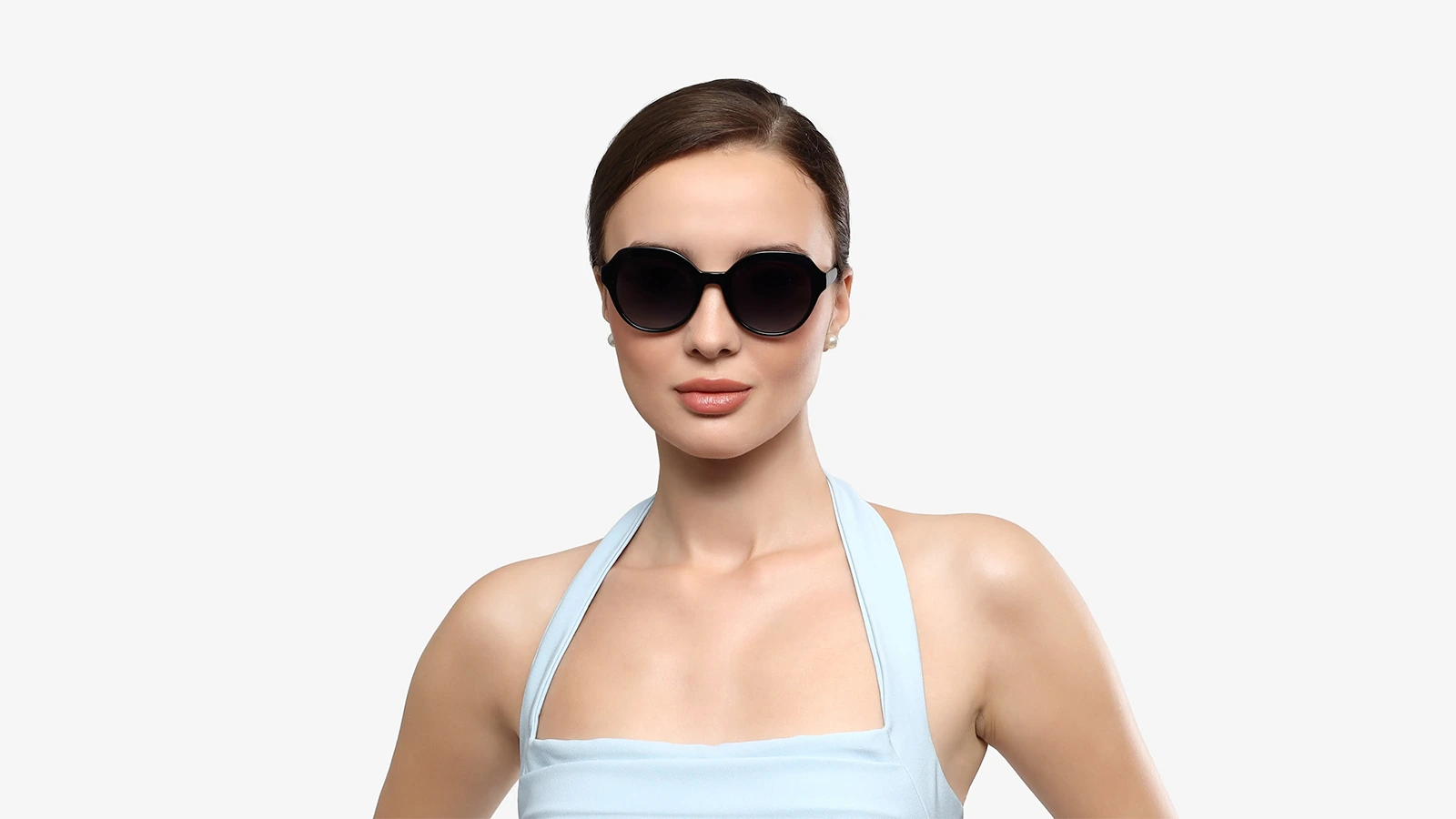
The College of Optometrists has been fairly blunt about this for a while, and the UK-specific numbers are worth knowing. Up to 80% of UV rays get through cloud cover, so the classic British excuse of "it's not even sunny" doesn't hold up as well as we'd all like it to. Wearing both a hat and UV-protected sunglasses can cut UV exposure to your eyes by as much as 98%, according to their own guidance. And their research has repeatedly found that a large share of UK parents aren't consistently getting their kids into UV-rated sunglasses, even though children's eyes let in more UV than adult eyes do.
There's a smaller, slightly random fact worth knowing too. Wraparound styles, the same shape our new sports range uses, don't just cut UV exposure at the edges of your vision better than a flat frame does. They've also been flagged as genuinely useful for people who get hay fever, since the wraparound coverage keeps pollen out as well as light.
A Few Occasions Worth Matching Your Pair To
Amber or brown tints are a great choice for driving, as they boost contrast without darkening things so much you lose detail on a dull day. The travel and holiday season is really where polarised sunglasses stand out. They cut glare off water, sand, and pavement to give you a comfortable and clear vision. And if hay fever's a yearly problem for you, a wraparound shape is a great pick for you.
Closing Up
You don't really need a trends piece to tell you what suits your face, and we wouldn't pretend otherwise. But it's worth knowing that whichever shape or colour you land on this year, the pair you're picking should be doing its actual job too, not just looking like it is. That part isn't optional for us, whichever list you're picking from.
FAQs
Do sunglasses actually do anything on a cloudy day?
Up to 80% of UV rays can pass through cloud cover, so UV exposure doesn't disappear just because the sun isn't visible. That’s why you should wear a pair of UV400 sunglasses outdoors even on cloudy days.
Are cheap sunglasses actually worse for your eyes?
They can be, particularly if they're unmarked and don't carry a CE, UKCA, or British Standard rating. Dark lenses without real UV protection can cause your pupils to dilate more than usual, letting in more UV rather than less.
Do mirrored lenses block more UV than regular tinted lenses?
Not automatically. The mirror coating cuts glare and reflected light, but UV protection depends on the lens material and coating, not the mirror finish itself, so it's worth checking both separately rather than assuming one covers the other.
Caution: You may become style obsessed