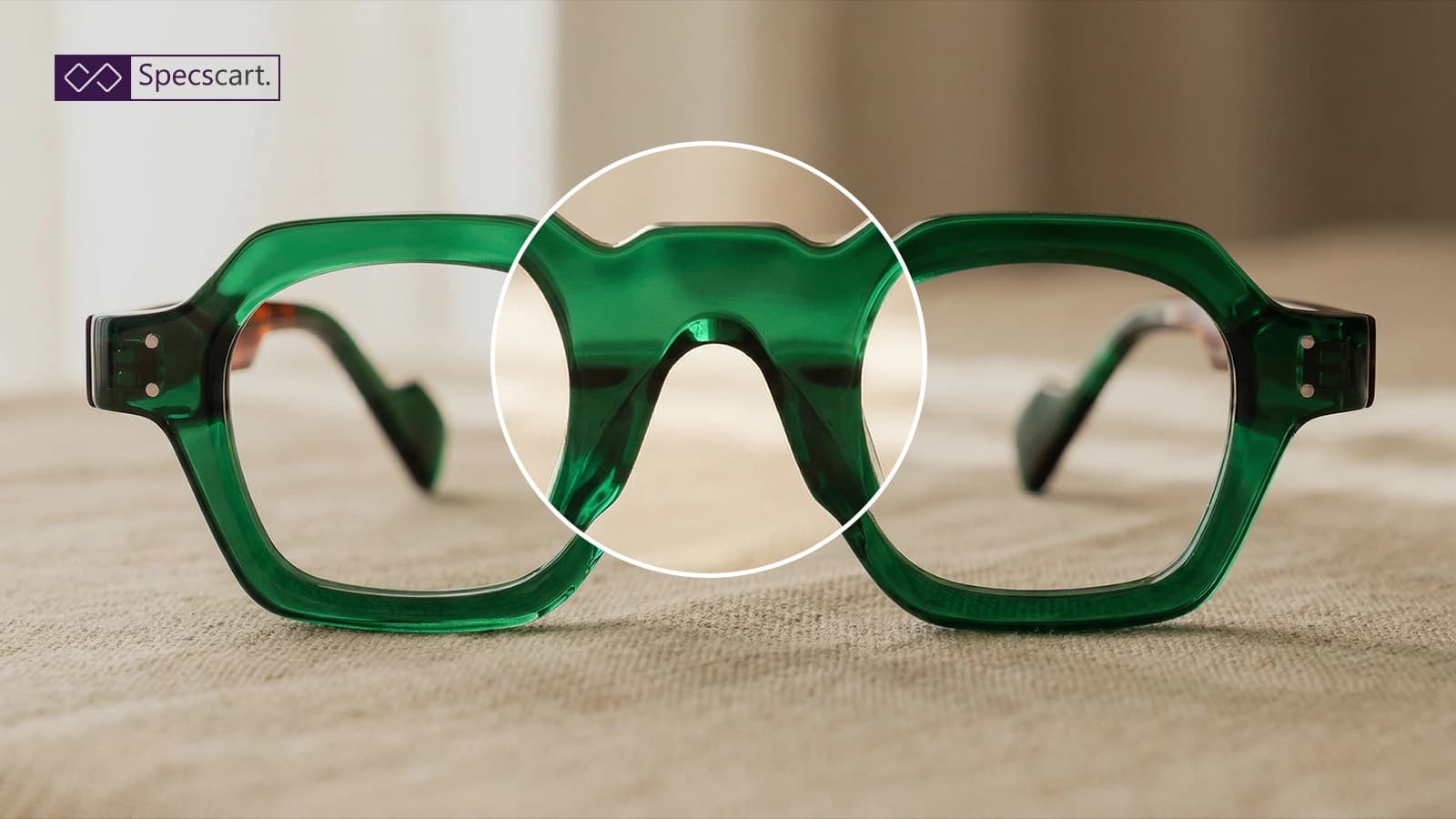

Most of us wear glasses every day without thinking much about how they're actually built. We notice the frames, maybe the lenses, but there's one small part that does more work than almost anything else: the nose bridge.
It's the bit that sits on your nose, holds your glasses in place, and quietly determines whether you'll spend your day adjusting your frames or forgetting you're even wearing them. Get the bridge right, and your glasses feel invisible. Get it wrong, and you'll know about it by lunchtime. This guide explains the different types of nose bridges, what they do, and how to work out which one actually suits your face. Because comfort isn't a luxury, it's the basics done properly.
What is an Eyeglass Nose Bridge?
The nose bridge is the part of your glasses that sits across your nose and connects the two lenses. It's often easy to miss. When you're choosing frames, you're looking at shape, colour, and style. The bridge just sits there doing its job quietly. But it's doing quite a lot. It's the main contact point between your face and your glasses. It distributes the weight. It keeps everything level. And it's mostly responsible for whether your glasses stay put or spend the day sliding down your nose.
A good bridge means your glasses sit comfortably without pressure points, red marks, or constant adjusting. A poor one means the opposite, and you'll feel it within an hour. The bridge works alongside the nose pads (which we'll get to), but it's the bridge design itself that determines how the frame sits on your face in the first place. So while it might not be the flashy part of your glasses, it's one of the most important.
Composition of Glasses Nose Bridges
A nose bridge has two main parts, known as the bump and the width. The bridge bump is the curved or raised section that actually rests on top of your nose. It creates a bit of space so the frame doesn't sit flat against your face, which keeps things comfortable and stops your glasses from slipping. They work as the bit that does the balancing.
The bridge width, also called the bridge aperture, is the gap between the two lenses. This is measured in millimetres and usually sits somewhere between 14mm and 24mm. You'll often see this number printed on the inside of your frames, between the lens width and temple length.
If you have a narrower nose or your eyes sit closer together, you'll generally need a smaller bridge width, around 14mm to 18mm. If your nose is wider or your eyes are set further apart, you'll be looking at 18mm and above. Getting this measurement right makes a real difference. Too narrow and the frames pinch. On the contrary, too wide, they slide down constantly.
This is why we include bridge measurement in our Find Fit tool. It ensures your glasses actually fit your face properly from the start, so you're not spending the next few years pushing them up your nose.
Evolution of Nose Bridges for Glasses
Glasses have been around for centuries, and the nose bridge has been there from the start. One can't really exist without the other.
Eyeglass Nose Bridges in the 1800s
Back in the 1800s, glasses were purely practical. They were made from heavy materials like iron, silver, and steel, and the bridges were also very plain and simple. They were doing just enough to hold the two lenses together. No one was thinking about comfort or style. The job was to help you see.
Eyeglass Nose Bridges in the Early 1900s
By the early 1900s, things got a bit lighter. Gold and steel became more common, and different bridge styles started appearing. The C-bridge was the most popular until around 1835, which was just a simple upward curve connecting the lenses. The English bridge had a wave-like shape that helped the glasses sit more securely. There was also the X-bridge, which was quite wide and never really caught on, and the K-bridge, which created an almost invisible look across the nose and became particularly popular with women at the time.
Around the 1850s, the scroll bridge changed how glasses were made. Before this, opticians had to solder the bridge directly onto the frame rims, which was fiddly and time-consuming. The scroll bridge had small flanges that could be attached to the rim more easily, making the whole process faster without sacrificing quality. It was an early step towards mass production.
Eyeglass Nose Bridge of Modern Times
The real turning point came in the late 1900s with the saddle bridge. Historians think it appeared sometime between the 1870s and 1880s. This design sat more securely on the nose and allowed frames to be made larger, which meant glasses started to look closer to what we recognise today. Windsor glasses from the 1880s with a round metal rim design and curved temples were hugely popular for decades. If they sound familiar, it's because they're very similar to the style John Lennon wore a century later. The saddle bridge is still used today, especially on frames that don't have separate nose pads.
Types of Nose Bridges
There are three main types of nose bridge you'll come across. Each works slightly differently and suits different faces and frame styles.
The Saddle Bridge
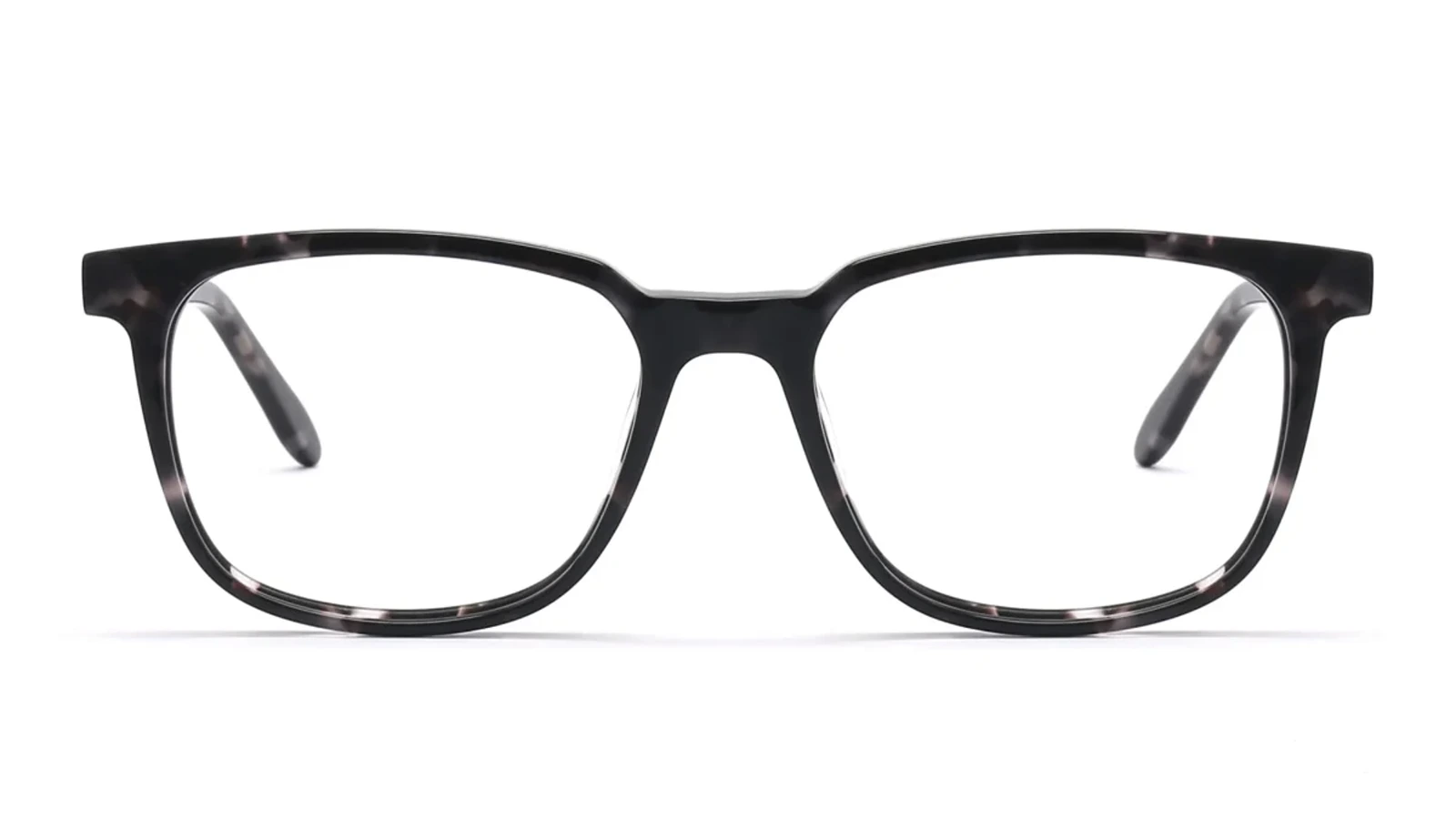
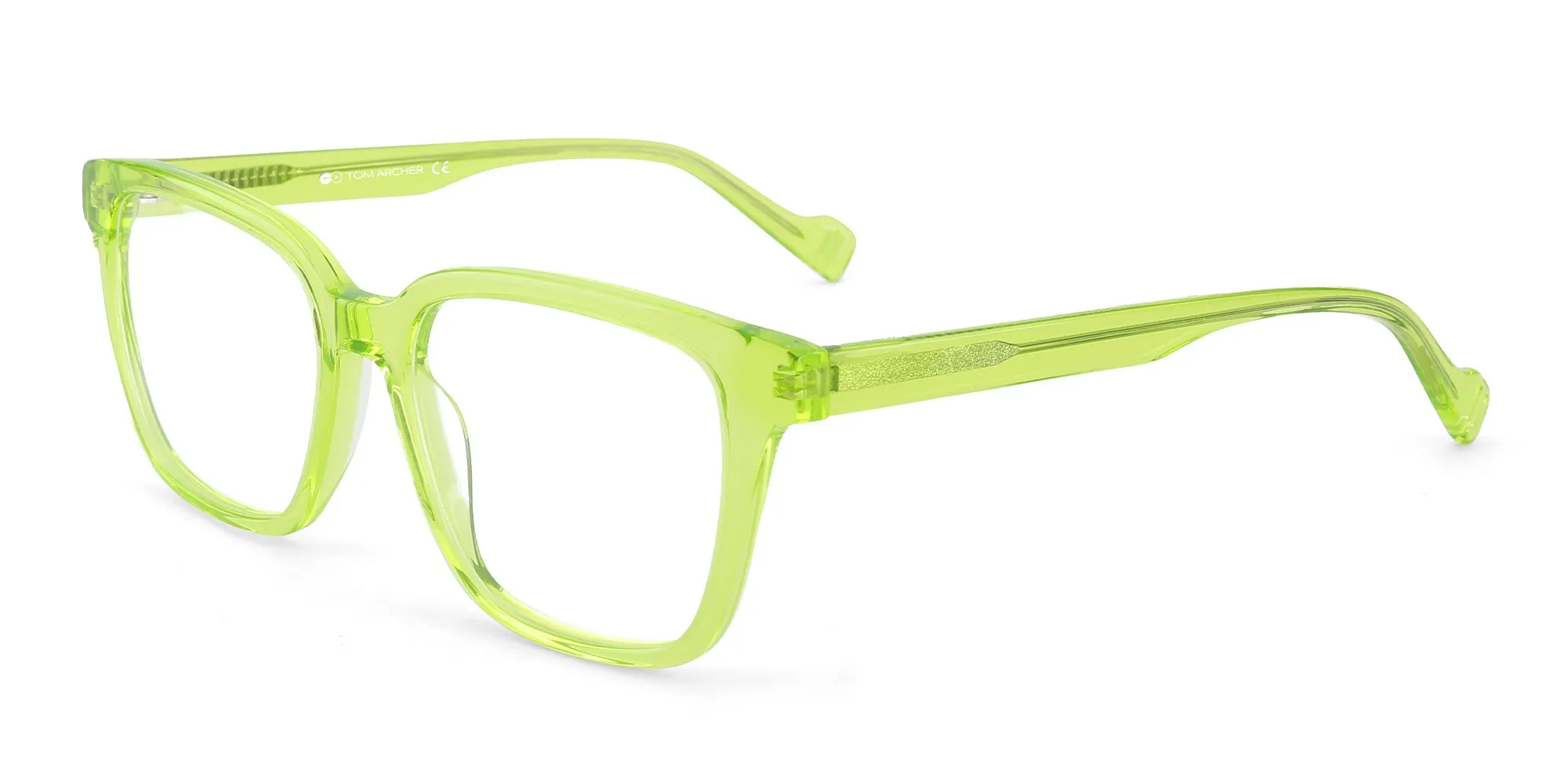
This is the most common type, especially on plastic or acetate frames without separate nose pads. It's a smooth, curved piece that sits across the width of your nose and follows its natural shape.
The saddle bridge spreads the weight of your glasses across a larger area, which makes them more comfortable and stops them from sliding around. It also gives frames a clean and modern look without any visible pads or extra parts. And because there are no small components to adjust or replace, it's low maintenance as well.


The Keyhole Bridge
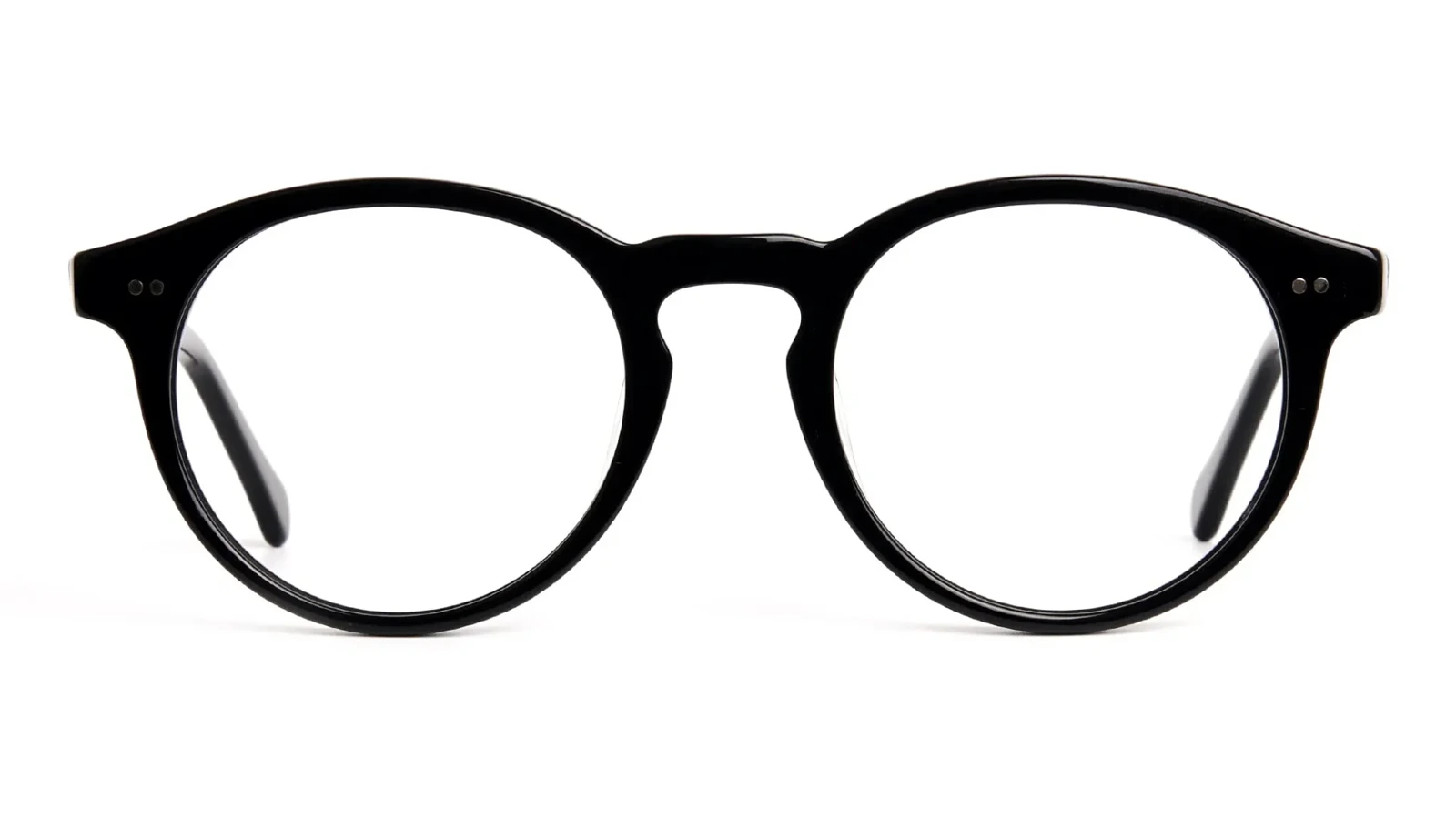
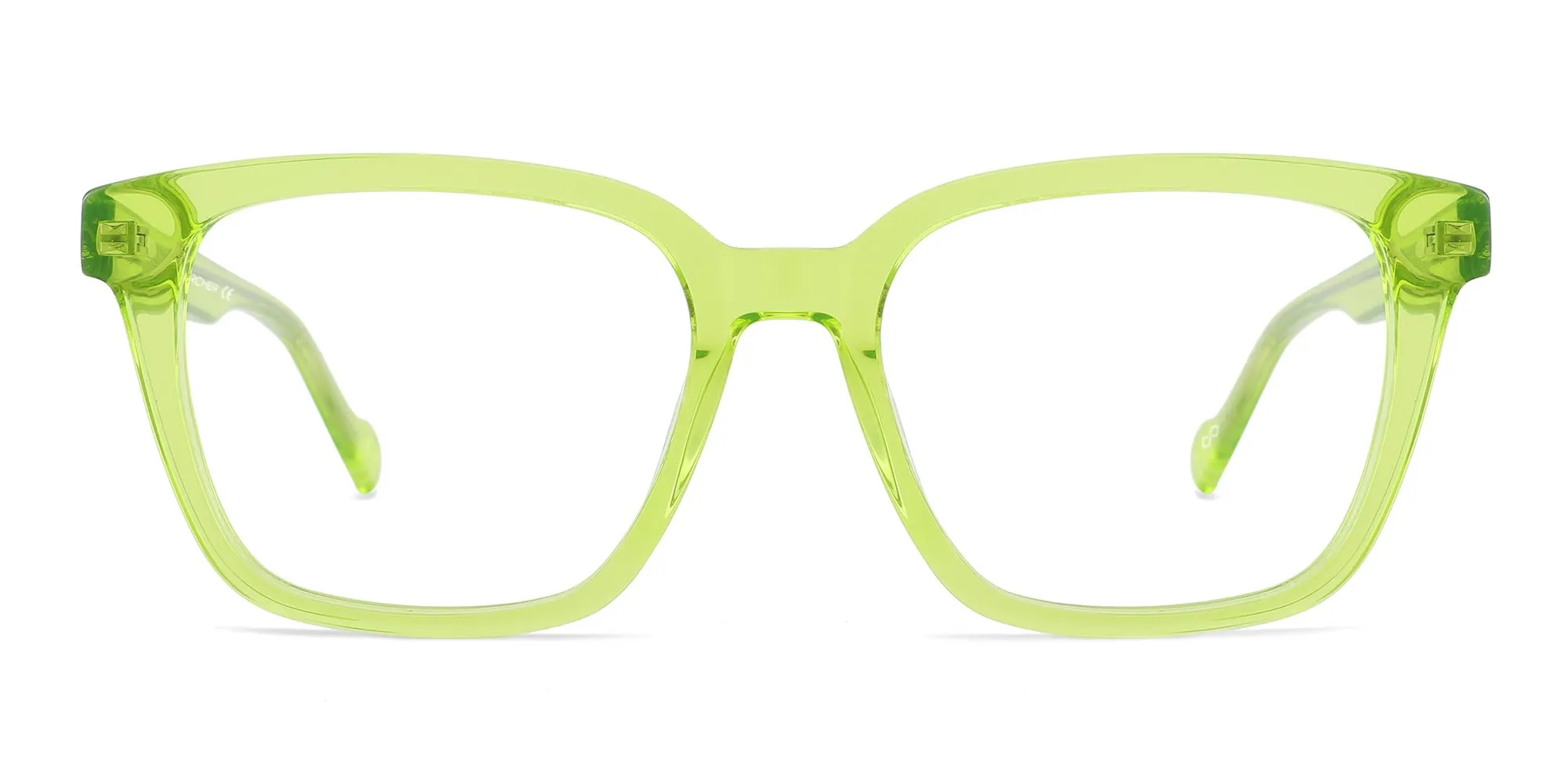
This one looks exactly like an old-fashioned keyhole, wider at the top and narrower at the bottom. You'll mostly see it on vintage-style or retro frames made from acetate or plastic.
The keyhole bridge sits differently from a saddle bridge. Instead of resting on the top of your nose, it distributes weight onto the sides. That makes it a better option if you have a wider or flatter nose bridge, as it doesn't press down on the top. It also gives the frames a bit more flexibility in how they sit, so if you find saddle bridges make your lenses feel slightly off-centre or uncomfortable, a keyhole design might work better for you.


Double Bridge
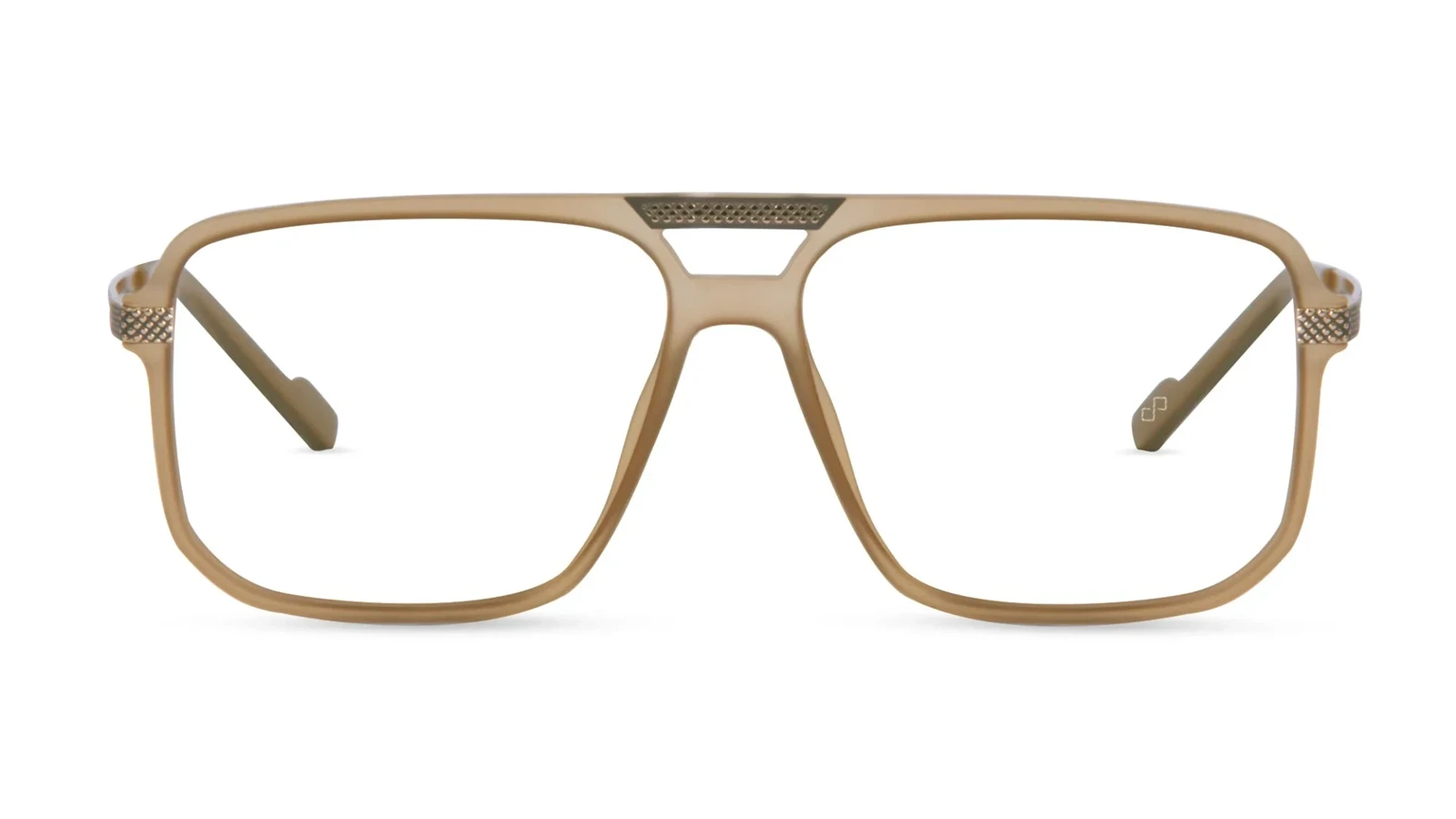
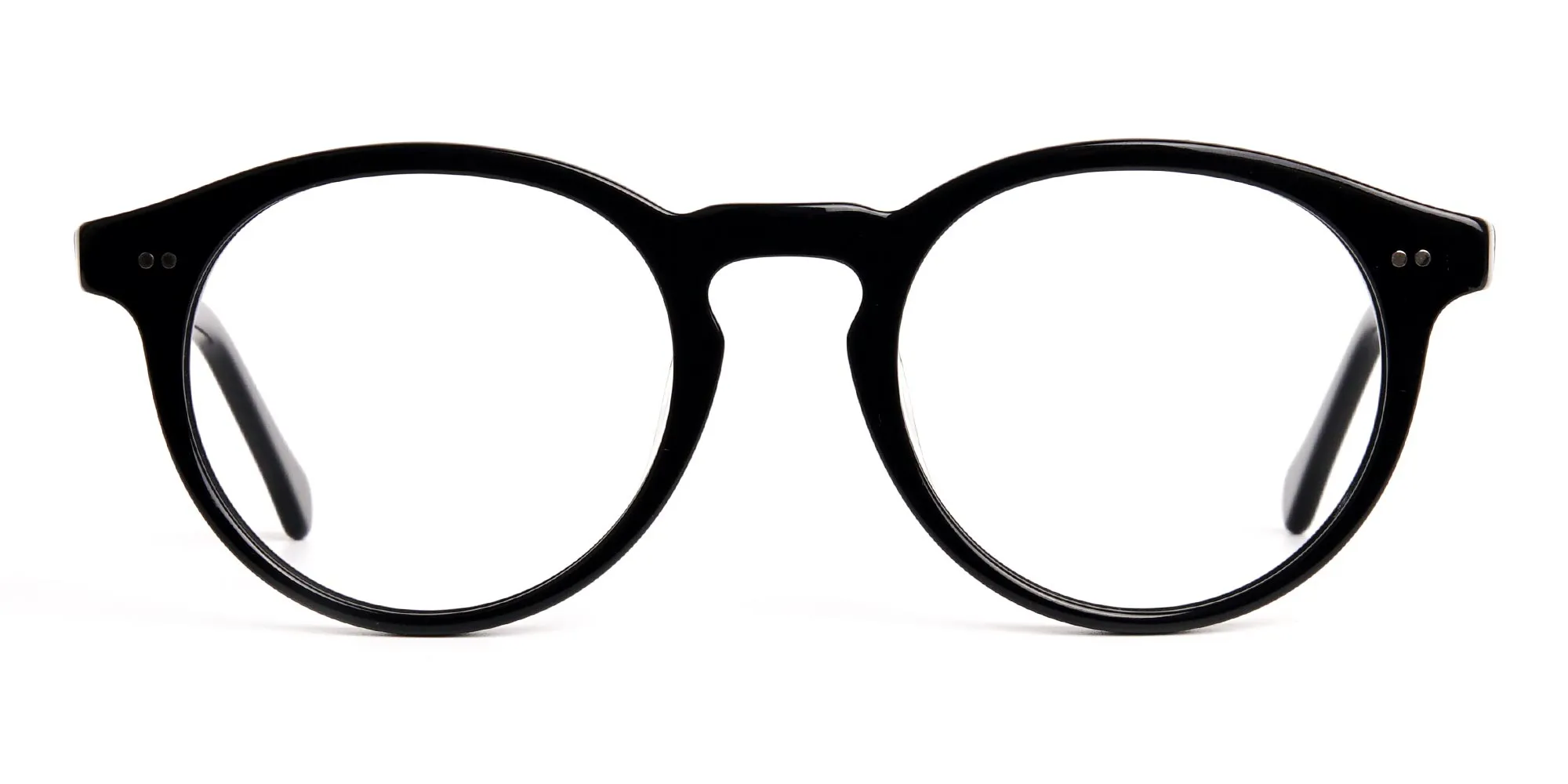
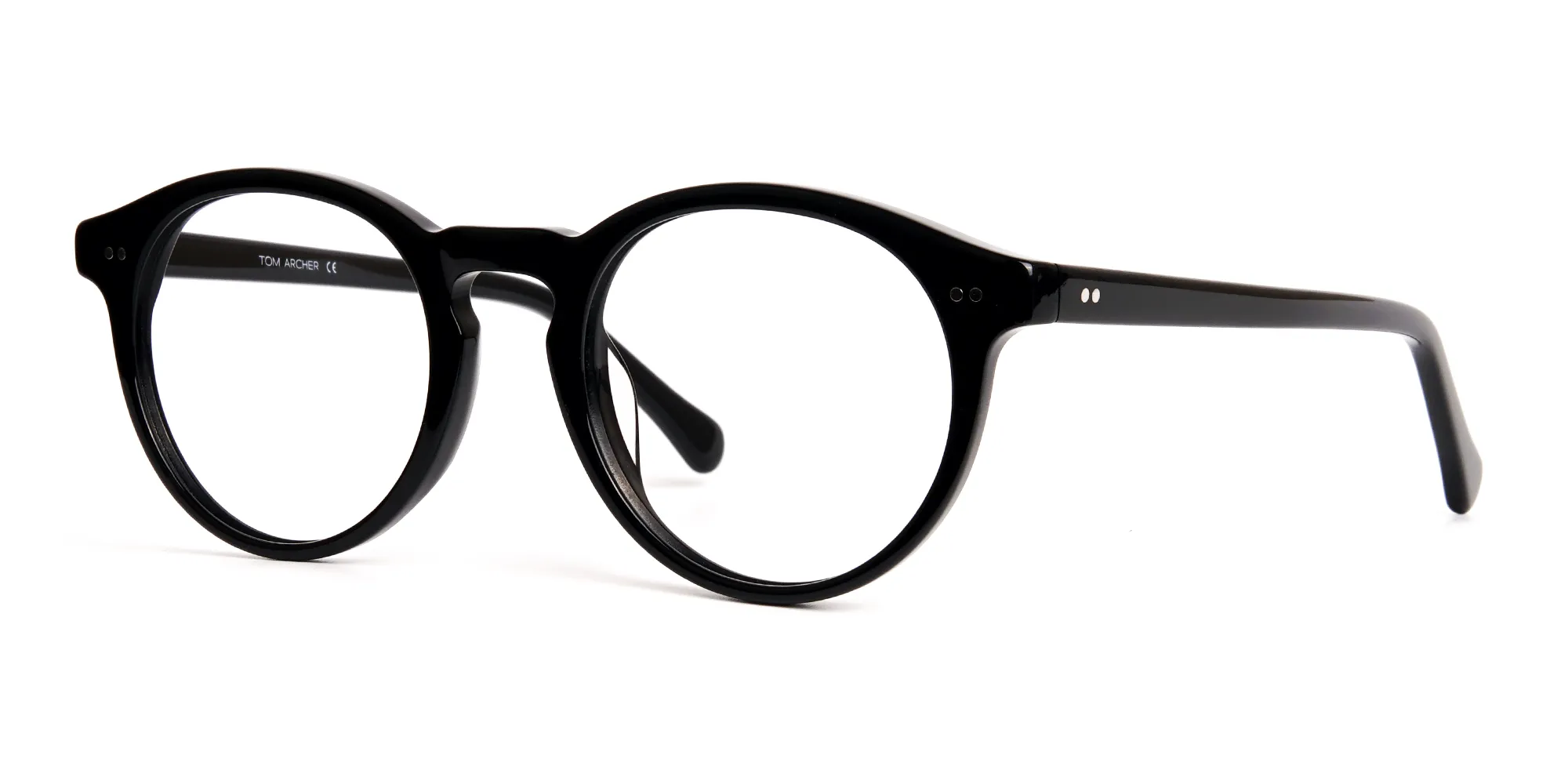
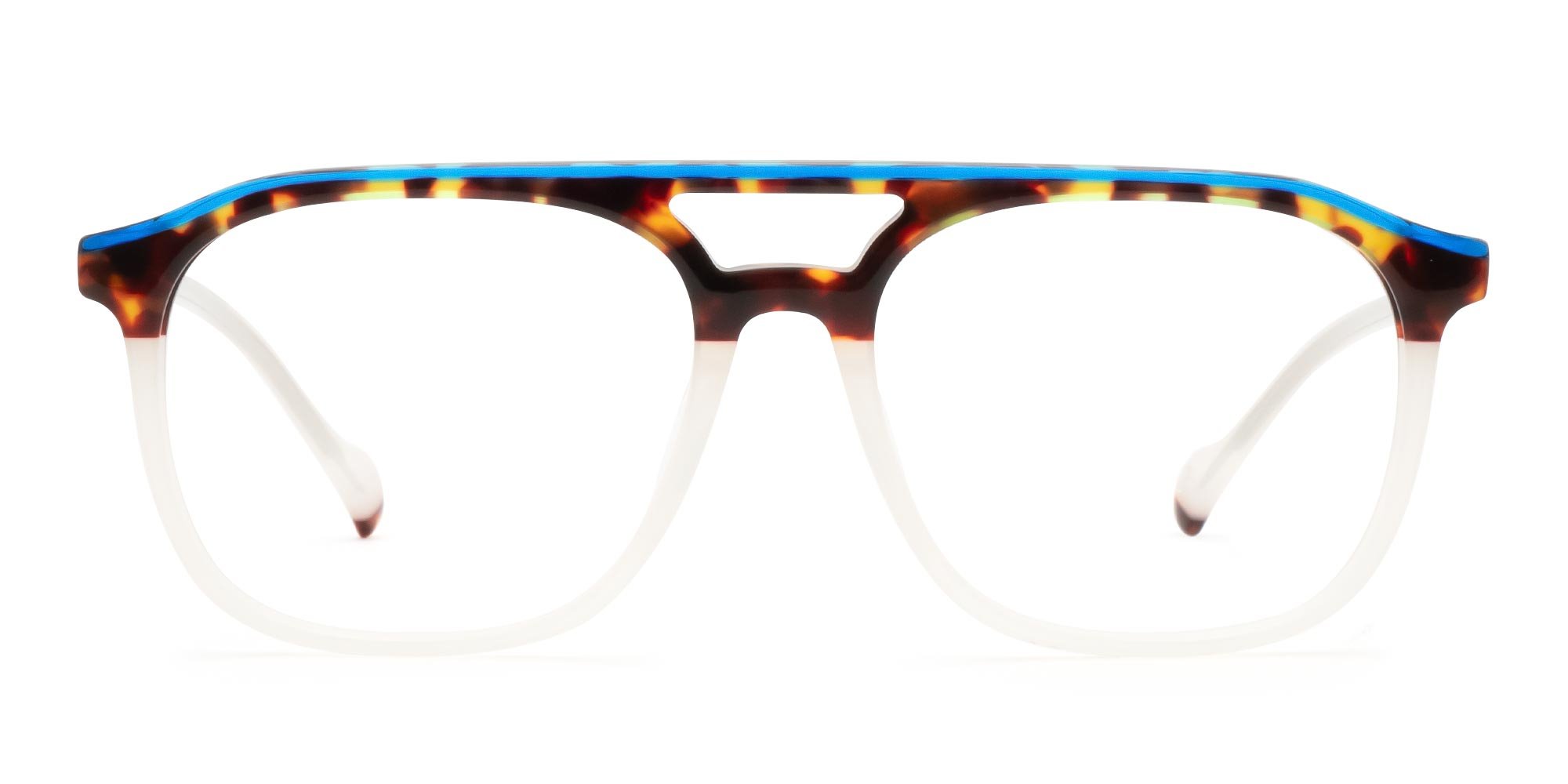
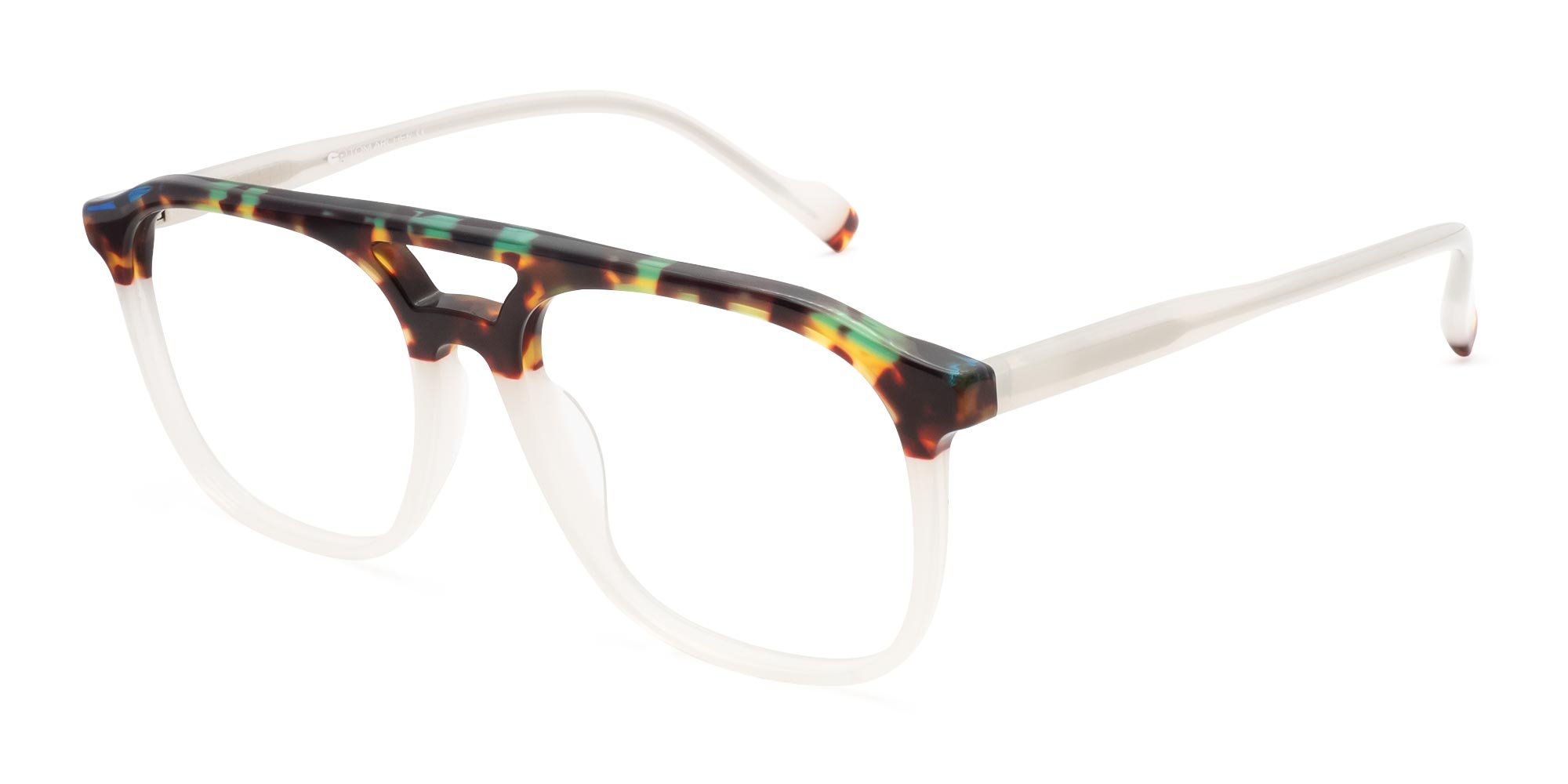
Double bridge glasses have an extra bar running across the top of the frame, above the main bridge. You'll recognise it from pilot-style glasses, though it appears on other frame shapes too.
That second bar isn't just for looks. It adds structural support, making the frames more durable and stable. It also helps distribute weight more evenly, which can make heavier frames feel more comfortable. The look is a bit more statement, but the function is solid.


Key Takeaways
The nose bridge might be small, but it does a lot of the heavy lifting when it comes to how your glasses actually feel on your face. When you're choosing glasses, it's worth paying attention to the bridge, not just the frame shape or colour. If a pair feels uncomfortable or keeps slipping, the bridge is often the reason. Getting it right means your glasses work with your face, not against it.
Related Articles






Caution: You may become style obsessed


Your way finder






2000+ Trendy Styles

Fashion Forward Sunnies