





























High Astigmatism Glasses: How to Choose Thinner, More Comfortable Lenses


Content Manager
Introduction
If your prescription has a high CYL number, you might be worried your next glasses will be thick and heavy. Astigmatism is a common refractive error that occurs when the cornea or the eye’s internal lens has an uneven curvature. Instead of focusing light evenly onto the retina, the eye focuses it at different points, resulting in blurred or distorted vision.
Astigmatism can be congenital or develop later in life. Eye injuries, corneal conditions and certain eye surgeries can also cause changes in the eye’s curvature, leading to astigmatism.
Astigmatism is commonly corrected using prescription lenses with a cylindrical (CYL) component. It can occur independently or alongside myopia (short-sightedness) and hyperopia (long-sightedness), which are corrected using the spherical (SPH) component of a prescription.
The spherical power, cylindrical correction, lens index, frame dimensions and lens design all influence the finished lens. Understanding these factors can help you choose thinner-looking glasses without compromising the required vision correction.
How Does Astigmatism Affect Prescription Lens Thickness
Astigmatism adds extra power in one direction across the lens, so the lens ends up thicker along one axis than the other. When it sits alongside myopia or hyperopia, the powers add together in that direction, which is why stronger prescriptions can get bulky.
A high minus lens corrects short-sightedness by bending light outward, so it focuses on the retina instead of just in front of it. To do this, the lens is concave: thin at the centre and thicker around the edges. Plus lenses for long-sightedness work the other way round, thickest in the centre.
Once your prescription passes -4.00, and especially at -6.00, -8.00 or beyond, that shape becomes a real problem. With standard plastic, the edges get very thick, which is where the “coke-bottle” look comes from.
But it’s more than a cosmetic issue. Most of the lens’s weight sits towards the edges, so the glasses feel front-heavy and tip forward. That keeps pressing down on the bridge of your nose, and after a full day of wear, it can get sore.




Which Lens Index Is The Best For High Prescription Glasses
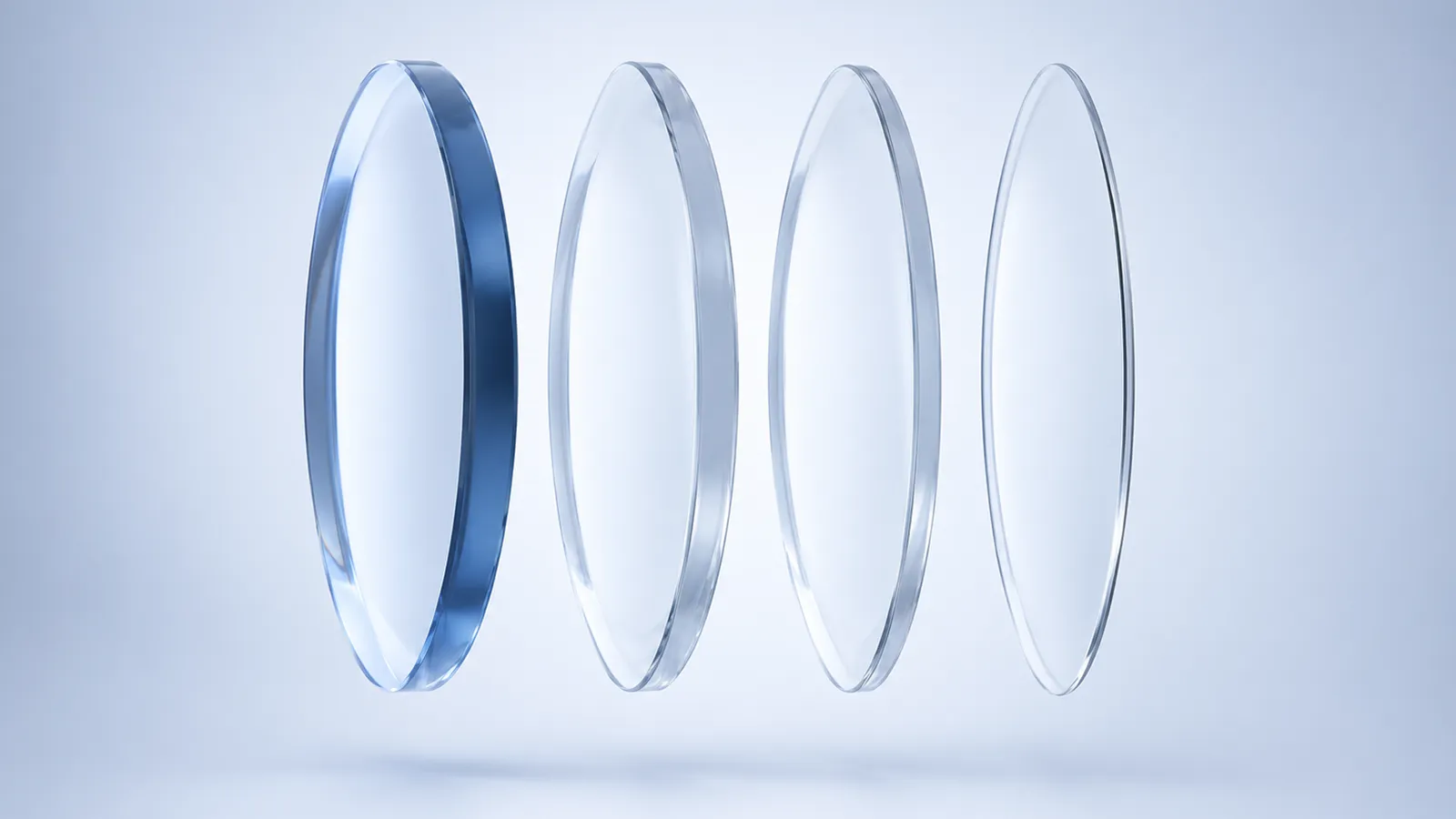
With astigmatism, the power that decides thickness is your strongest direction, where SPH and CYL combine. The higher that combined power, the thicker the lens becomes.
With Specscart, you can choose from different lenses based on your prescription. A higher lens index means thinner lenses, even for stronger prescriptions. This makes your glasses look sleeker and less bulky.
1.50 Basic or Standard Index Lenses
Basic lenses are made using standard optical polymers and suit lower prescriptions up to around ±3.00. They aren’t suitable for higher prescriptions, as they get noticeably thick at the edges.
1.60 Thin or Mid-Index Lenses
Mid-index lenses are made using MR-8 resin and suit prescriptions up to around ±6.00. You can choose these lenses to keep your glasses looking stylish, even at a higher power.
1.67 Ultra-Thin or High-Index Lenses
Ultra-thin lenses for higher prescriptions, up to around ±8.00, are made using MR-7 or MR-10 resin. They’re noticeably thinner at the edges than basic lenses, which gives your glasses a cleaner look.
1.74 Super Ultra-Thin or Ultra-High-Index Lenses
Super ultra-thin lenses are the thinnest of these lens indexes. They are made from MR-174 for the strongest prescriptions, for power above ±8.00.
How To Choose Frames for Thinner-Looking Prescription Lenses

Selecting the right pair of prescription glasses frames is equally important to minimise the thickness for higher prescriptions in conditions like myopia, hyperopia, and astigmatism. With a minus prescription, the lens gets thicker towards the edges, so the right frame can hide a lot of that thickness.
Why Smaller Frames Help Reduce Lens Thickness
A minus lens is thinnest at the optical centre and thicker at the edges, so a smaller frame cuts the lens off before it gets too thick. With plus lenses, a smaller lens also means a thinner centre.
Which Frame Shapes Work Best for High Prescriptions
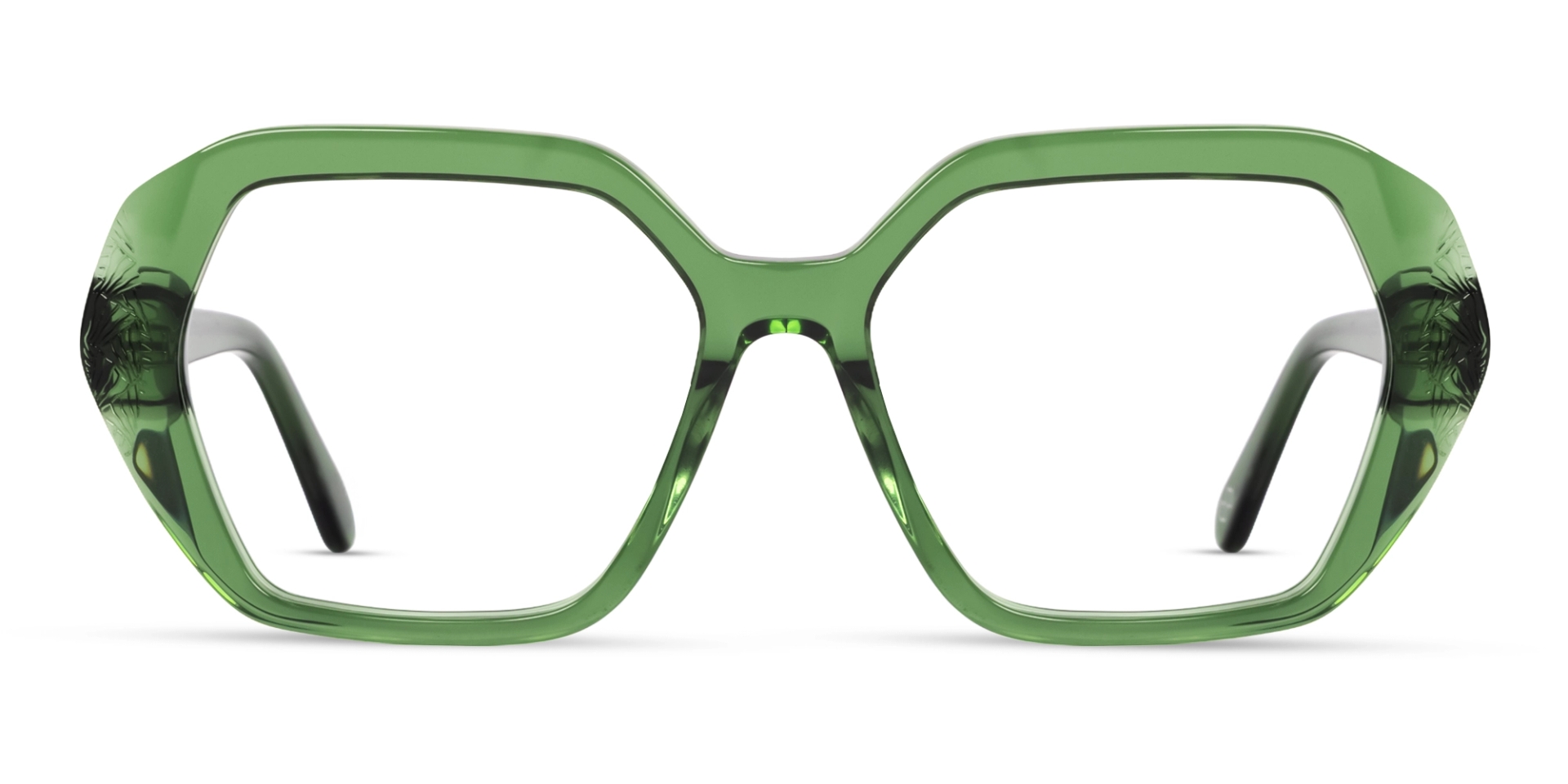
Round, oval, and panto shapes are considered best for higher prescription lenses. They keep the distance from the centre to the edges short and even, so there are no thick corners sticking out.
Full-Rim vs Half-Rim vs Rimless Frames
Full-rim Glasses
Full-rim glasses are the best choice for concealing the thicker edges of higher prescription lenses. The rim covers the edges, which also helps hide the rings that thick lenses can show.
Half-rim Glasses
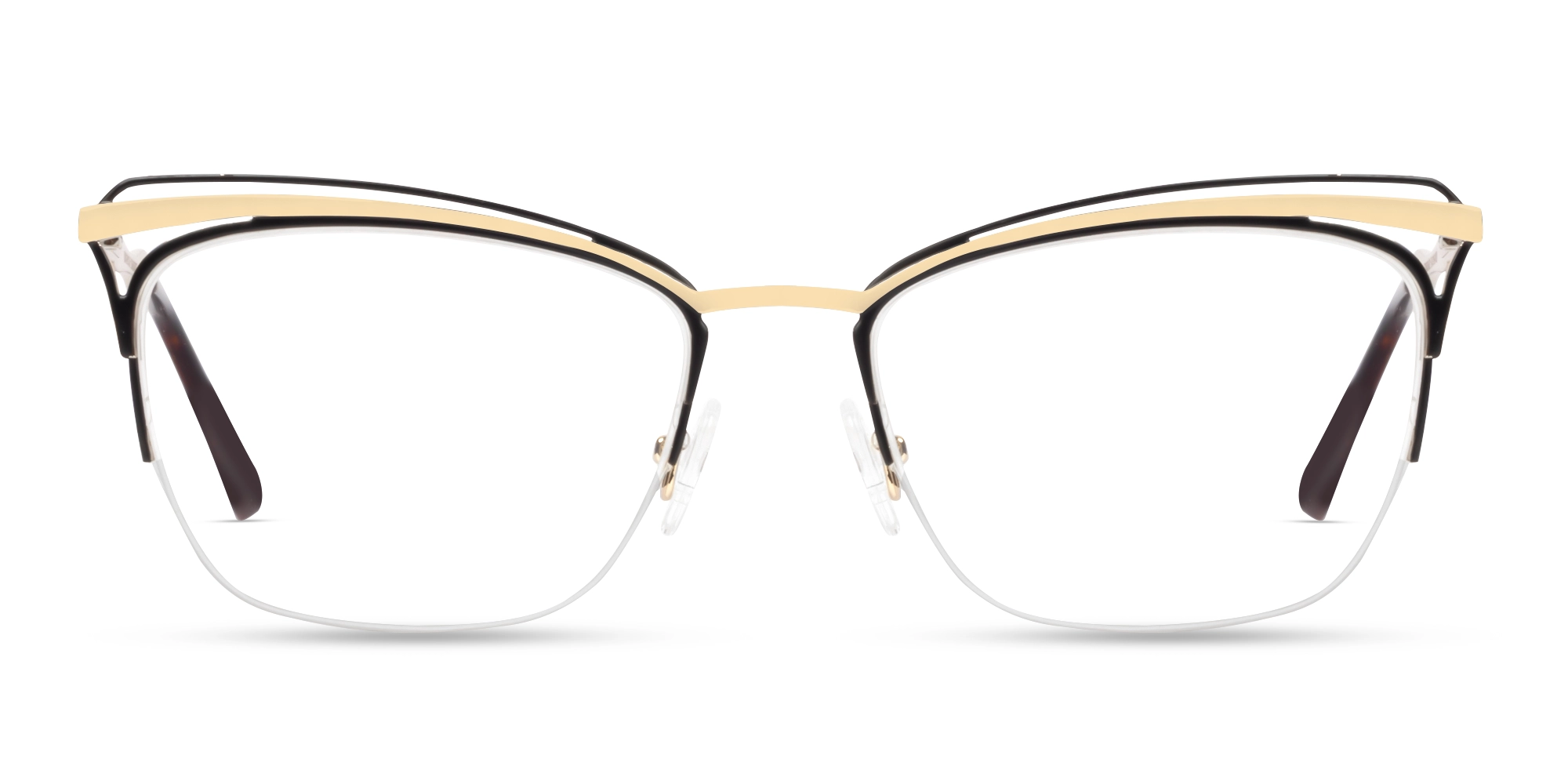
The durable half-rim supports the top part of the lens, while a nylon cord holds it from beneath. Since the lower edge stays exposed, the thickness of the lenses becomes noticeable, especially with higher prescriptions.
Rimless Glasses
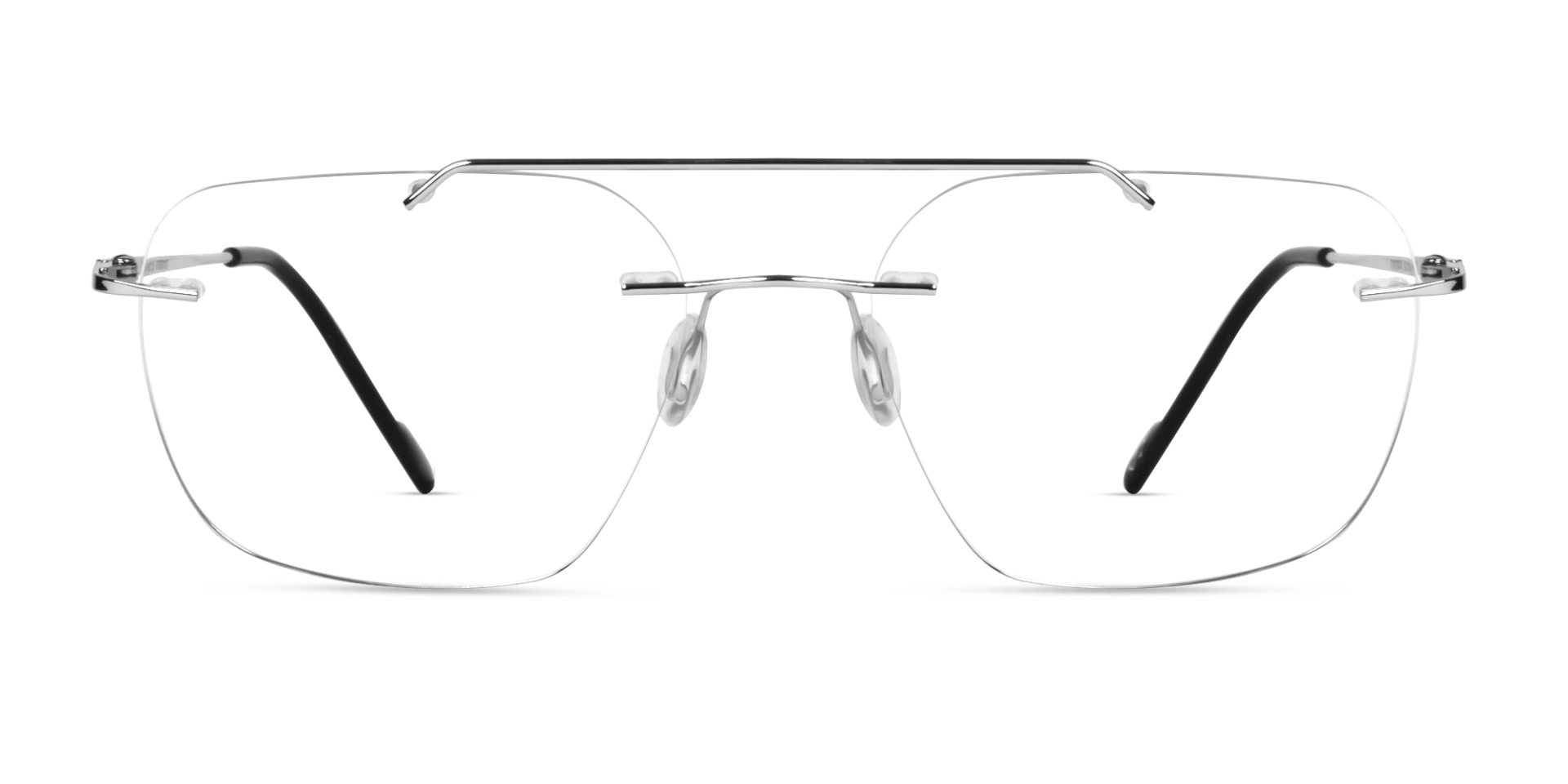
Rimless glasses are the least suitable choice for higher prescriptions. With no rim, the full edge of the lens is on show, along with any rings the thickness creates.






How Does Lens Design Affect Thickness & Optical Quality
The curve of a lens also affects how thick it looks once it’s fitted into the frame.
Spherical Design or Traditional Lenses
Traditional lenses use the same curve across the whole surface, so stronger prescriptions need a steeper curve. The lens gets thicker at the edges for short-sightedness and in the centre for long-sightedness.
Aspheric Design or Modern Standard
The curve gradually changes from the centre out to the edges, so the lens can sit flatter overall. The final lens is thinner and lighter than a spherical lens of the same prescription.
Atoric Design (For High Astigmatism)
Atoric lenses adjust the curve differently in the two directions of an astigmatic prescription. This keeps vision clearer away from the centre of the lens and helps the lens stay flatter. Specscart offers thin, ultra-thin and super ultra-thin lenses for higher prescriptions.
Conclusion
Astigmatism may make choosing prescription glasses a little more challenging, especially when you have a higher CYL power. However, it doesn’t mean you have to settle for thick, bulky or uncomfortable lenses.
The right combination of lens index, frame size and lens design can help manage lens thickness while providing the correction your eyes need. Whether you have astigmatism alone or alongside myopia or hyperopia, you can find glasses that offer clear vision, everyday comfort and a style you feel confident wearing.
FAQs
Do glasses for high astigmatism have thicker lenses?
High astigmatism can contribute to uneven lens thickness because the prescription requires different corrective powers in different directions. The final thickness also depends on SPH power, lens index, frame size and lens design.
Which lens index is best for high astigmatism?
High-index lenses such as 1.67 and 1.74 can help reduce thickness in stronger prescriptions. The right lens index depends on your complete prescription, including SPH and CYL values.
What are the best glasses frames for high astigmatism?
Smaller round, oval, and panto frames can help minimise lens thickness, particularly for high minus prescriptions. Full-rim frames can also conceal thicker lens edges better than rimless or half-rim frames.
Are high-index lenses better for astigmatism?
High-index lenses can make prescription glasses thinner and lighter, particularly when astigmatism is combined with a stronger prescription. They help reduce bulk without changing the vision correction required.
Are aspheric or atoric lenses better for high astigmatism?
Atoric lenses are designed to account for both spherical and cylindrical correction, making them particularly relevant to high astigmatism. Aspheric lenses help create a flatter profile and can improve the cosmetic appearance of prescription glasses.
Caution: You may become style obsessed